






South Dakota governor signs Helen’s Law, requiring language translations in official state proceedings
Law named after fluent Lakota speaker Helen Red Feather

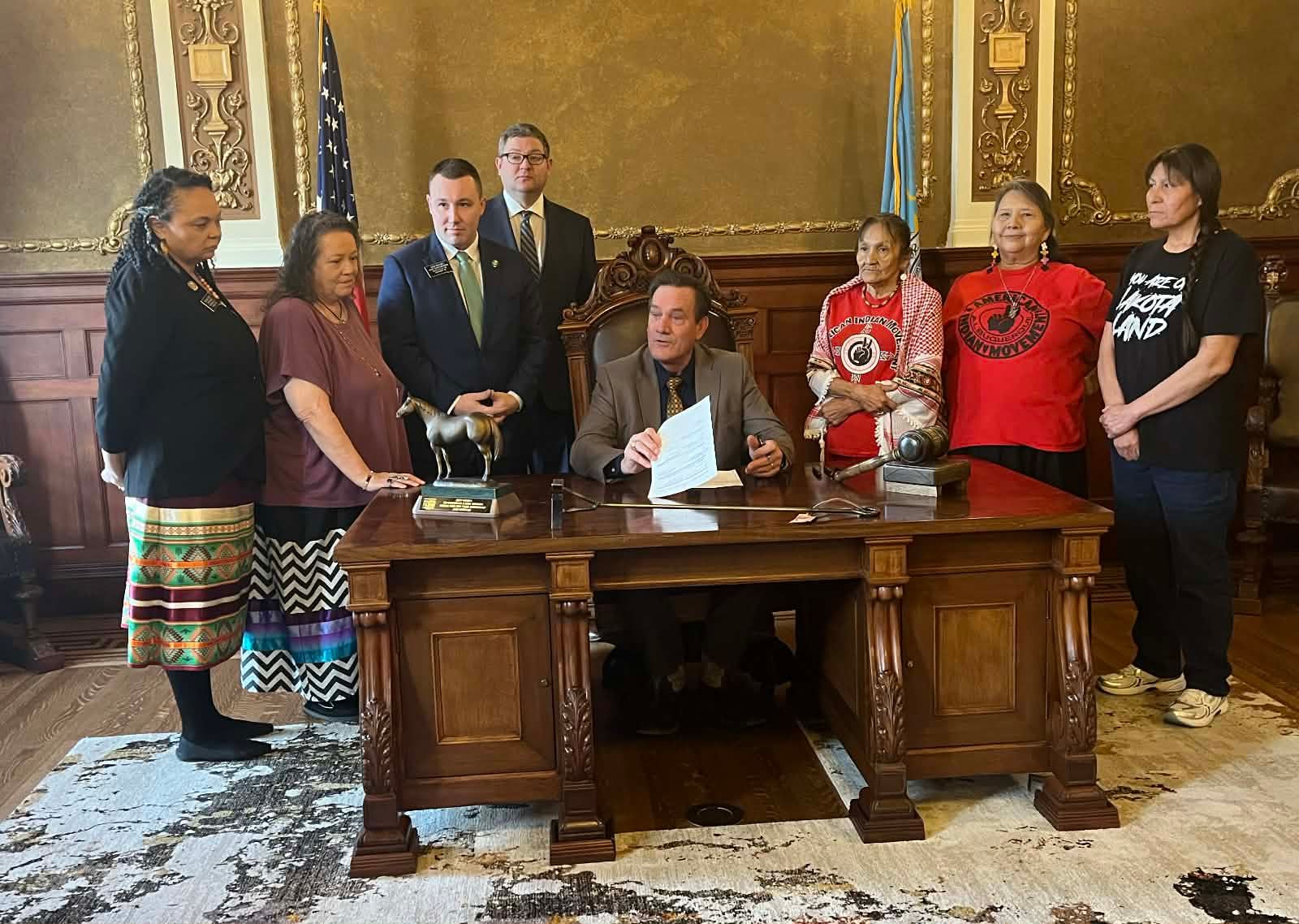
On Monday, South Dakota Governor Larry Rhoden signed legislation that requires the state to provide translator services for parties in official hearings with state agencies, regardless of a speaker's language. The law was inspired by Helen Red Feather, a fluent Lakota speaker from Wounded Knee, South Dakota, and is informally known as Helen’s Law. She is one of the Lakota speakers opposing a uranium mining project near Craven Canyon in the southern Black Hills.
In August 2025, Red Feather spoke in the Lakota language at a hearing held by the South Dakota Board of Minerals and Environment, the state agency that regulates statewide mineral exploration, mining and oil and gas development. She described the significance of the area now known as Craven Canyon. Because the state did not provide official translation services, it could not accept her comments for official use.
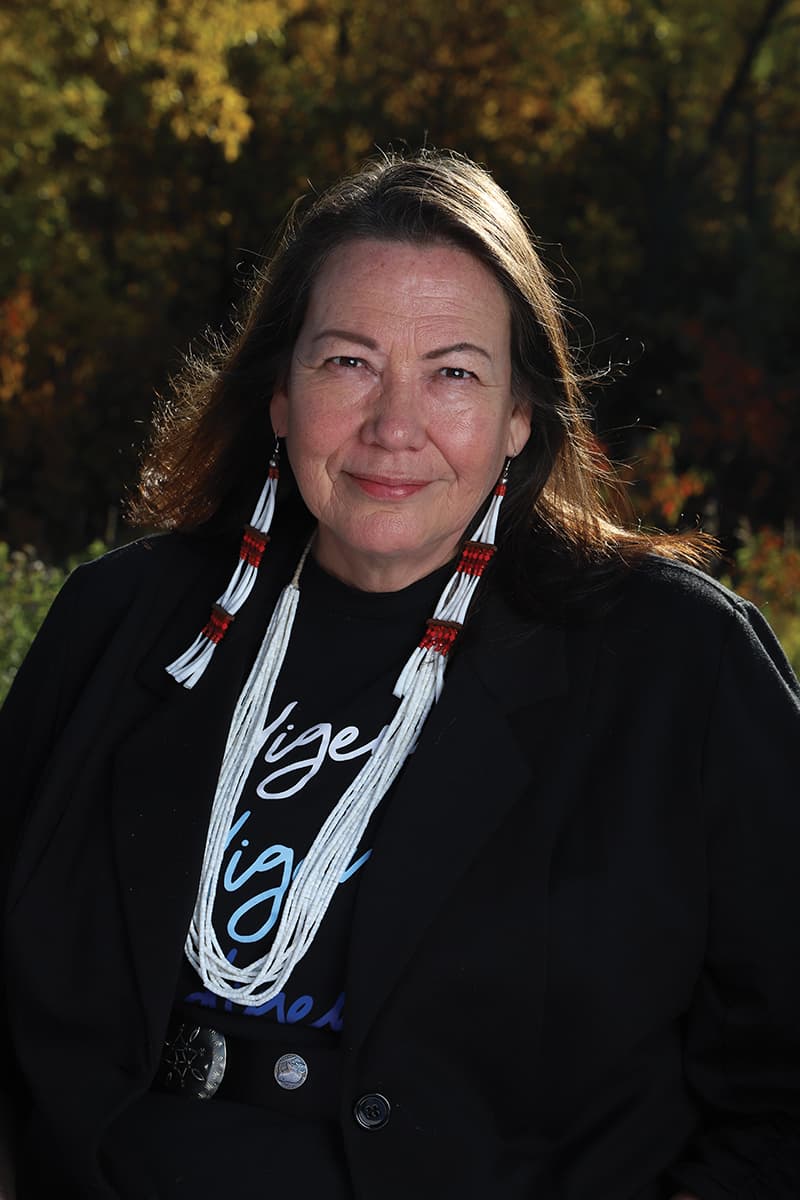
“Regardless of what language a person speaks, a person can now challenge an application through the state in their language, and that state must provide and pay for translation services,” Elizabeth Lone Eagle told Buffalo’s Fire.
Like Red Feather, Lone Eagle is an intervenor in the permitting process that is challenging a mining company’s effort to explore radioactive uranium in the Black Hills. Intervenors receive permission to voluntarily join existing legal proceedings because they have a direct stake in the outcome of an issue.
In the proposed uranium exploration project in Craven Canyon, seven miles north of Edgemont, South Dakota, up to 50 holes would be drilled to a maximum vertical depth of 700 feet. The area contains historical and cultural sites of interest to Oceti Sakowin tribes, and some of the sites are not protected because they are off state and federal lands and therefore don't require a permit to operate. The area contains petroglyphs that are more than 7,000 years old. Many consider Craven Canyon a sacred site.
“Some of the intervenors are from Wounded Knee, elderly, and Lakota is their first language,” Lone Eagle said. “There is a lot of material to cover and up until the law was signed, people that were intervening had to provide their comments in one language without translation services.”
“This is an important step to ensure that our Lakota language and worldview are included as we work together to protect our land and natural resources. Lila wopila tánka to everyone who worked to make this possible.”
After the hearing on August 21, 2025, Lone Eagle requested translation services for future South Dakota Board of Minerals and Environment hearings. She was told that the state doesn’t provide such services, and that if she wanted them, the law would have to change. A hearing officer, Bob Morris, then told Lone Eagle that he would preserve her request for translation services and encouraged her to advocate for a change in the law.
South Dakota state Rep. Erik Muckey, a Democrat, sponsored and introduced the bill during the state’s 2026 regular session in January. In a Facebook post after Helen’s Law was signed by the governor, Muckey said, “What began as a phone call asking for assistance to help Lakota elders participate in a contested case became. . . an act that will require interpreter or translator services for administrative contested cases. Every form of South Dakota law requires translation or interpreter services to guarantee due process, but this often-forgotten section of our law, the administrative rules, was left out of that reform. Not anymore, thanks to Helen Red Feather.”
There are currently more than 125 languages spoken in South Dakota, said Lone Eagle, who also advocated to get the bill through the state’s legislature. Other Lakota speakers advocated for the bill in both the House and Senate committees, including Violet Catches and Duane Two Bulls. Republican state Sen.Tamara Grove sponsored the bill in the Senate.
Speakers authorized to provide translation services in administrative contested cases include fluent Lakota speakers Phyllis Bald Eagle, Violet Catches, Duane Two Bulls and Alex White Plume. They will provide their services via Zoom and in person as needed, assisting first-language speakers with translation from Lakota into English. Lone Eagle said she is eager to develop a budget and implementation plan for translator services to ensure meaningful participation by first-language Lakota speakers.
“Čantemawašte — it makes my heart happy that Governor Rhoden signed Helen’s Law,” South Dakota state Sen. Red Dawn Foster told Buffalo’s Fire. “This is an important step to ensure that our Lakota language and worldview are included as we work together to protect our land and natural resources. Lila wopila tánka to everyone who worked to make this possible.”
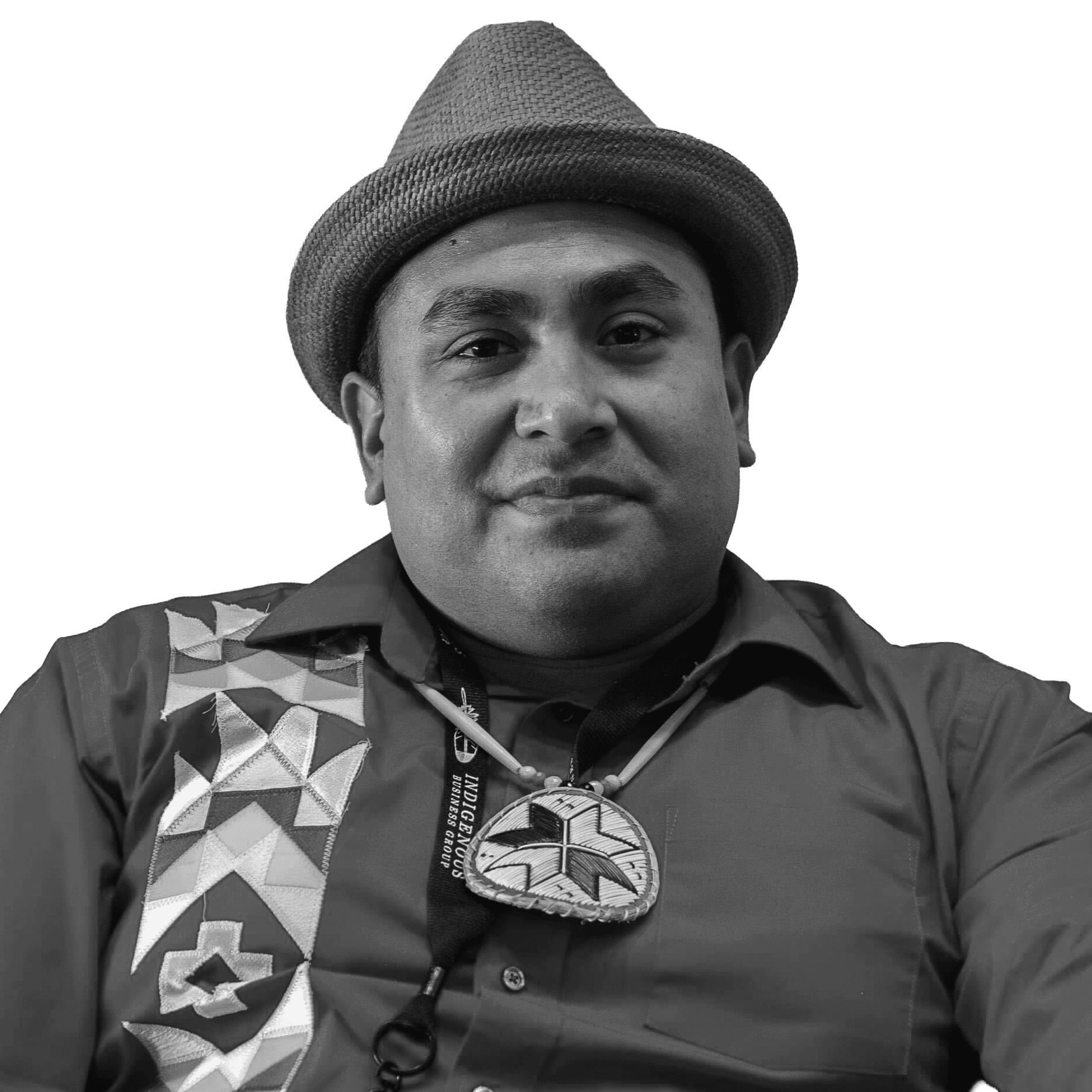
Darren Thompson
(Lac du Flambeau Ojibwe)Former Reporter
Sharing Is Caring
This article is not included in our Story Share & Care selection.
The content may only be reproduced with permission from the Indigenous Media Freedom Alliance. Please see our content sharing guidelines.
© Buffalo's Fire. All rights reserved.
We provide independent Native-focused reporting that gives our communities the context and the facts they need to make informed decisions.
Respect The Fire
At Buffalo's Fire, we value constructive dialogue that builds an informed Indian Country. To keep this space healthy, moderators will remove:
- Personal attacks, harassment, or hate speech
- Spam, misinformation, or unsolicited promotion
- Off-topic rants and excessive shouting (All Caps)
Let’s keep the fire burning with respect.