






Bringing Little Bighorn to life
The Real Bird family has hosted the Battle of Greasy Grass for the past 35 years


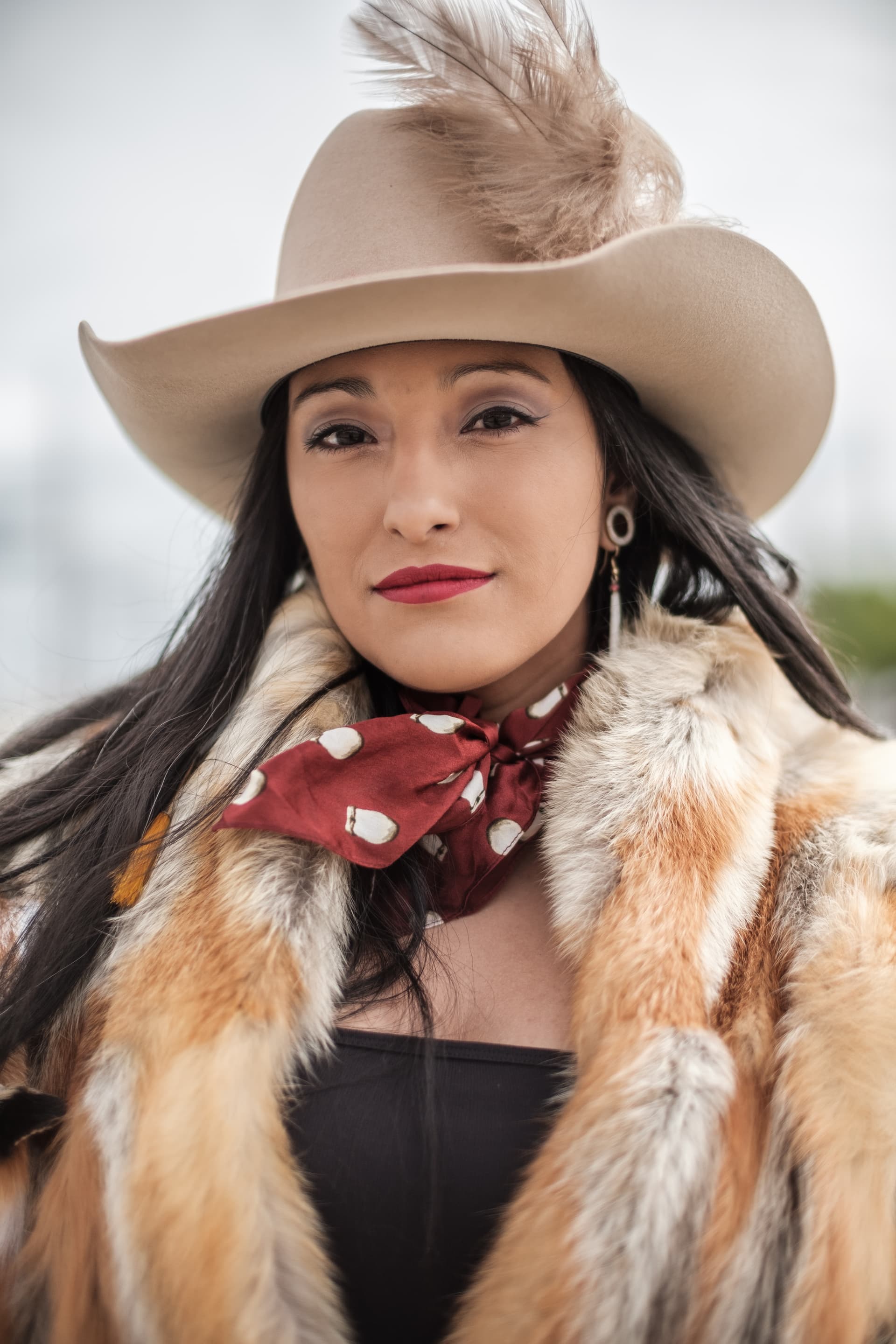
The cavalry enters the battlefield to a melody of violins and trumpets playing over speakers. Then gunfire erupts, and the warriors of the Great Sioux Nation, Cheyenne and the Arapaho rush into the battlefield. Horses breathe heavily as their hooves pound on the sacred grounds. War cries sent to the ancestors who fought in this battle all those years ago are heard and still echo as a reminder of the Native resistors' fight against Lt. Col. George Armstrong Custer and his men, reenacted.
This year marked the 150th anniversary of the 1876 battle of the Little Bighorn, otherwise known as the Battle of the Greasy Grass. It is here that Custer and his 7th Cavalry met their demise. To all the tribes involved, this is more than re-creating the history of what happened. It’s a time to return and honor the relatives who stood for our survival against the government that was trying to eliminate a whole nation. In history, you will often hear the cavalry leader referred to as Lt. Col. Custer; in battle, the Natives called him “Yellow Hair Man.”
The Real Bird family has been hosting and producing the Little Bighorn battle reenactment for about 35 years, according to Jim Real Bird. The three-day event is put on with the help of all of the family members and others. Women like Janette Hoops, Rose Hoops and other relatives work with the Real Bird family to prep the stands, fields and the riders. They ensure all the horseback riders and actors get paid. The women wear many hats, from taking payments and directing parking to painting horses and making them stage-ready, and keeping watch over all the actors on stage.
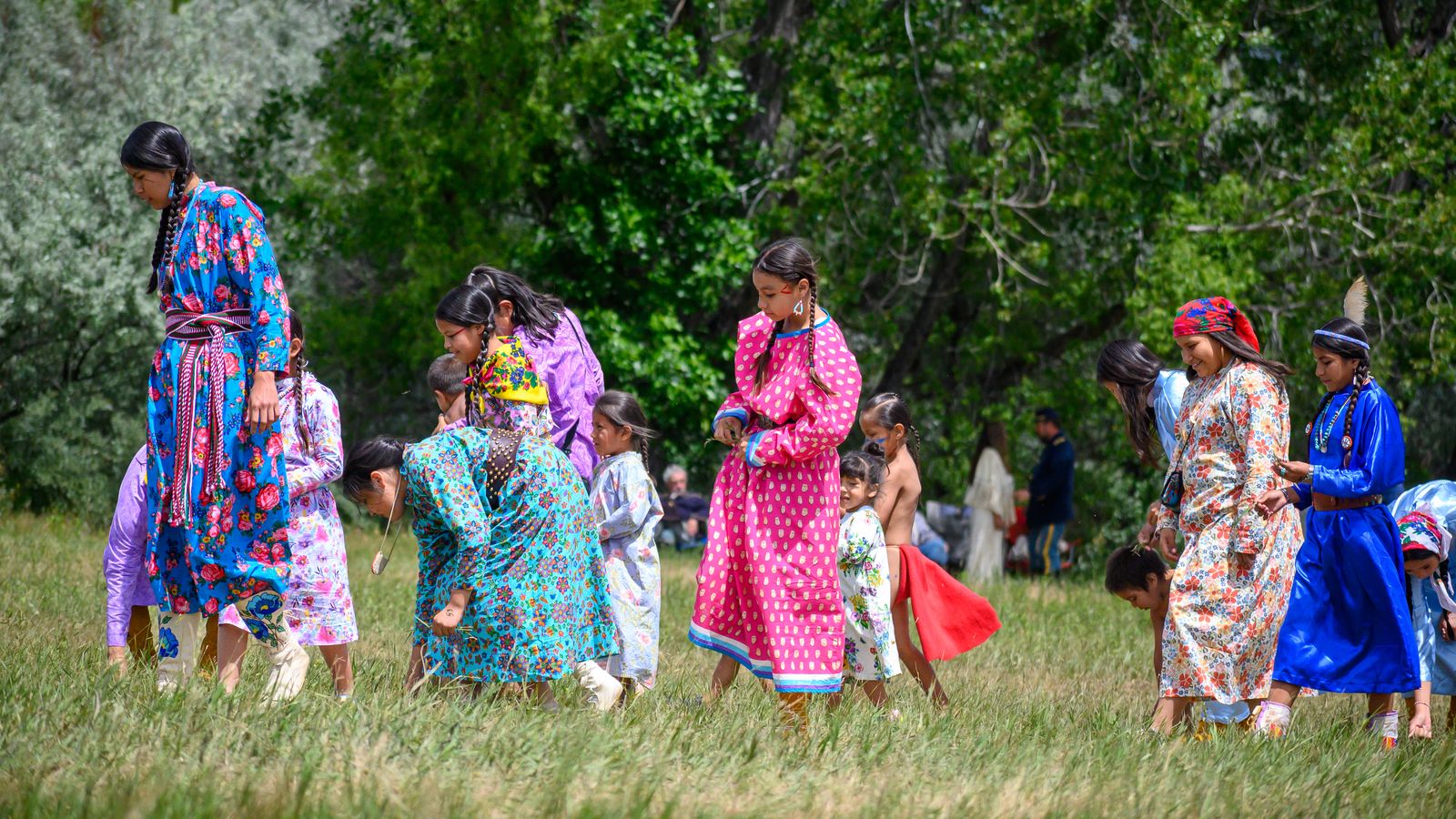
Prior to the re-enactment, many participants camped on the Real Bird family land, beside the Little Bighorn River, and about a mile from the battle staging area. The main tipi encampment became a living expression of the culture and strength of the people: For many nights, fires illuminated drums as singers sang victory songs and people danced around campfires throughout the encampment in celebration.
As the sun set on the tipis, children's laughter echoed in the night. The relatives of those who fought 150 years ago stood strong in keeping traditions alive.
Right next to the staged battlefield area was the camp for the men and women who acted as the cavalry roles. Some have been attending the re-enactment for 25 years. Some are history fanatics and others have simply found a deep sense of honor in helping the Real Bird family tell the Little Bighorn battle story. They return each year to meet with the riders and organizers and to create memories of the scenic landscape.
Before the reenactment begins, the announcers give thanks to the land by blessing the grounds. The stage is set where some of the Greasy Grass battles occurred 150 years ago. Lanny Real Bird and Henry Real Bird serve as masters of ceremony for the reenactment. They set the scene as the actors enter the field on foot and on horseback before the audience-filled bleachers. One of the first scenes introduces a vision seeker atop a hill and explains the story of the Sun Dance ceremony. The scene shows how Native ancestors seek guidance from the Creator.
“The ones who have had dreams are respected among the ones with a breechcloth, the ones who were on time to become human beings,” Lanny Real Bird told the audience. “This is how He Who First did Everything helps us, where we are fortunate to be given a dream that is good to help ourselves and others.”
The following acts moved on to the westward expansion and to how the Plains Natives encountered the “light-eyed men” for the first time. As the settlers and the soldiers moved farther west, the tribal nations that called the lands home faced impossible decisions for their people.
Some tribal leaders signed treaties in the hope of protecting their people and their homelands. Others chose to resist. The discovery of gold in the Black Hills led to the 1868 Fort Laramie Treaty. This brought many conflicts as the government tried to force the Lakota, Northern Cheyenne and the Arapaho nations onto reservations.
Chief Sitting Bull was among those who resisted signing treaties and peace claims with the light-eyed men. Sitting Bull was more than a warrior — he was a respected spiritual leader who brought allied bands together. Before the Battle of the Greasy Grass, Sitting Bull performed a Sun Dance at Rosebud Creek in Montana. This is where he had the vision of the U.S. soldiers falling “like grasshoppers from the sky.” This was the sign for Sitting Bull that if they stood together, they would prevail.
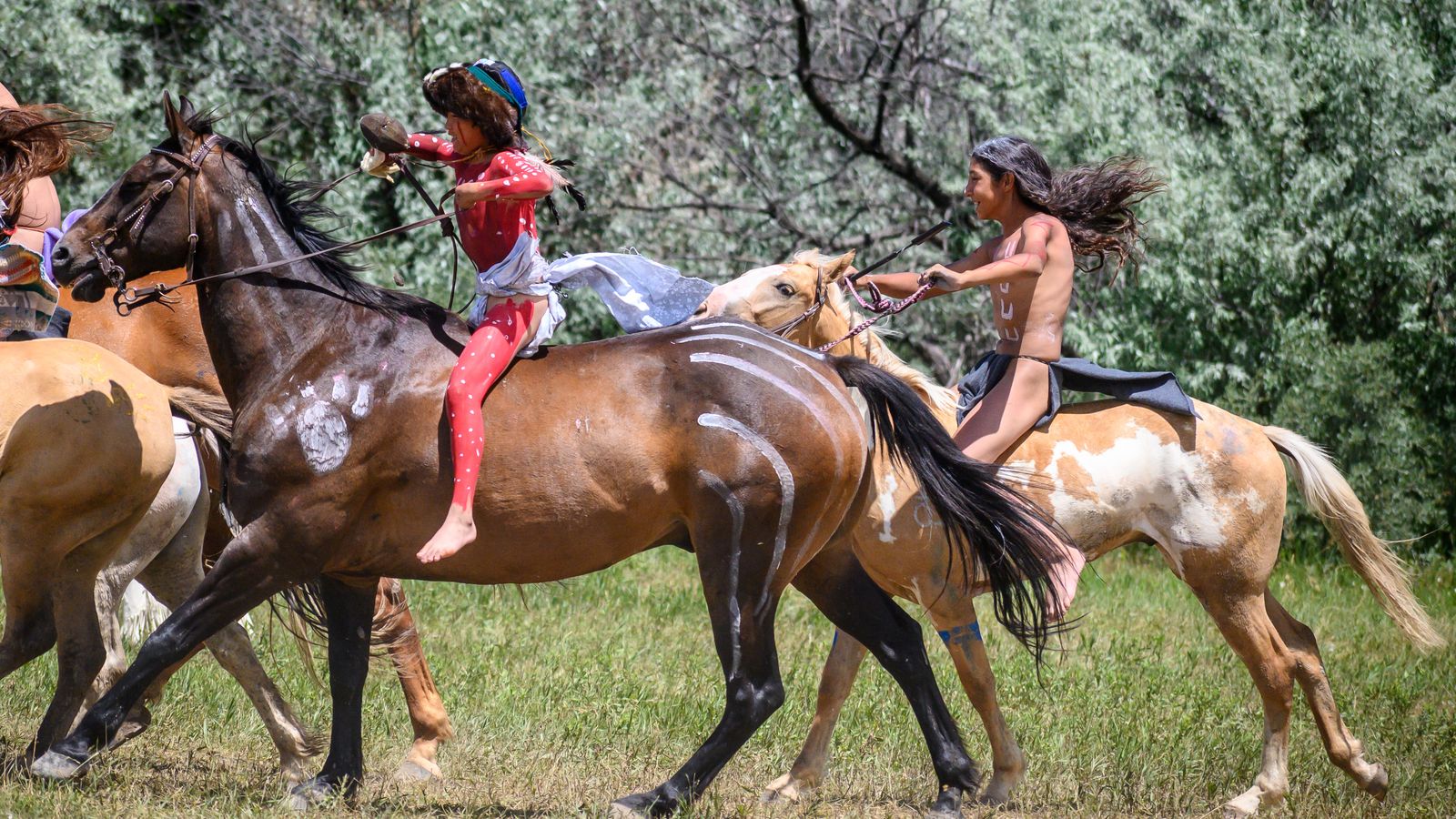
The last scene depicts the final moments, as Sitting Bull's dream comes to life, with the cavalry actors setting up their guns and preparing for the violent end. The horseback riders enter the field. The pounding of hooves and war cries ring in the air while riders close in on the cavalry. As guns blare, the riders leap from their horses into hand-to-hand combat. Soon, the cavalry is defeated and the victors dance around the soldiers’ bodies.
While there are many accounts of what happened to Custer’s body after he was killed, a common story is that Lakota woman stuck a knife in his ear so he could hear better in the next world, while others also say Custer’s body was thrown in the Little Bighorn River. “What is bad we send down the river to never, ever return,” said Lanny Real Bird.
The reenactment honors the people who fought on horseback and respected the spirit of the Horse Nation. Many warriors earned names reflecting the powerful horses or the acts of courage they represented while riding: “Grey Horse Rider, Sorrow Horse, Buckskin Horse, Black Horse Rider, Lead Horse Rider — these are our names from a horse culture,” Real Bird said.
The reenactment featured 170 horses, including bucking stock from the Real Bird family.
While history is often written by the victor, the Real Bird Reenactment provides a stage for the Native side of history.
Sharing Is Caring
This article is not included in our Story Share & Care selection.
The content may only be reproduced with permission from the Indigenous Media Freedom Alliance. Please see our content sharing guidelines.
© Buffalo's Fire. All rights reserved.
We provide independent Native-focused reporting that gives our communities the context and the facts they need to make informed decisions.
Respect The Fire
At Buffalo's Fire, we value constructive dialogue that builds an informed Indian Country. To keep this space healthy, moderators will remove:
- Personal attacks, harassment, or hate speech
- Spam, misinformation, or unsolicited promotion
- Off-topic rants and excessive shouting (All Caps)
Let’s keep the fire burning with respect.