Tradition Restored
Pacific Northwest nations once held a central role in the dentalium shell trade network, harvesting the tusk mollusk from the ocean. Prized by many inland Native nations, a trade network led the tiny shells to tribes such as the Lakota, Mandan, Hidatsa, Arikara and Ojibwe. But that historic, traditional supply chain no longer exists. It's been supplanted by new traders, not from the Pacific Ocean but from the Arabian Sea. Today, Native peoples are connected to fishermen in India who harvest the tusk shells to meet demand in the U.S. and Canada.
Buffalo’s Fire interviewed scientists, historians, vendors, and artists, all of whom explained how the long-prized dentalium shells remain in demand after centuries of use. They are used to embellish clothing and to make adorned items such as hair ties, earrings, and capes. We also traveled to India to visit the fishermen there who are now part of the modern-day dentalium trade network. Just as our Native ancestors coveted the tusk shells, the pursuit and use of dentalium shells lives on.

Read our coverage on dentalium
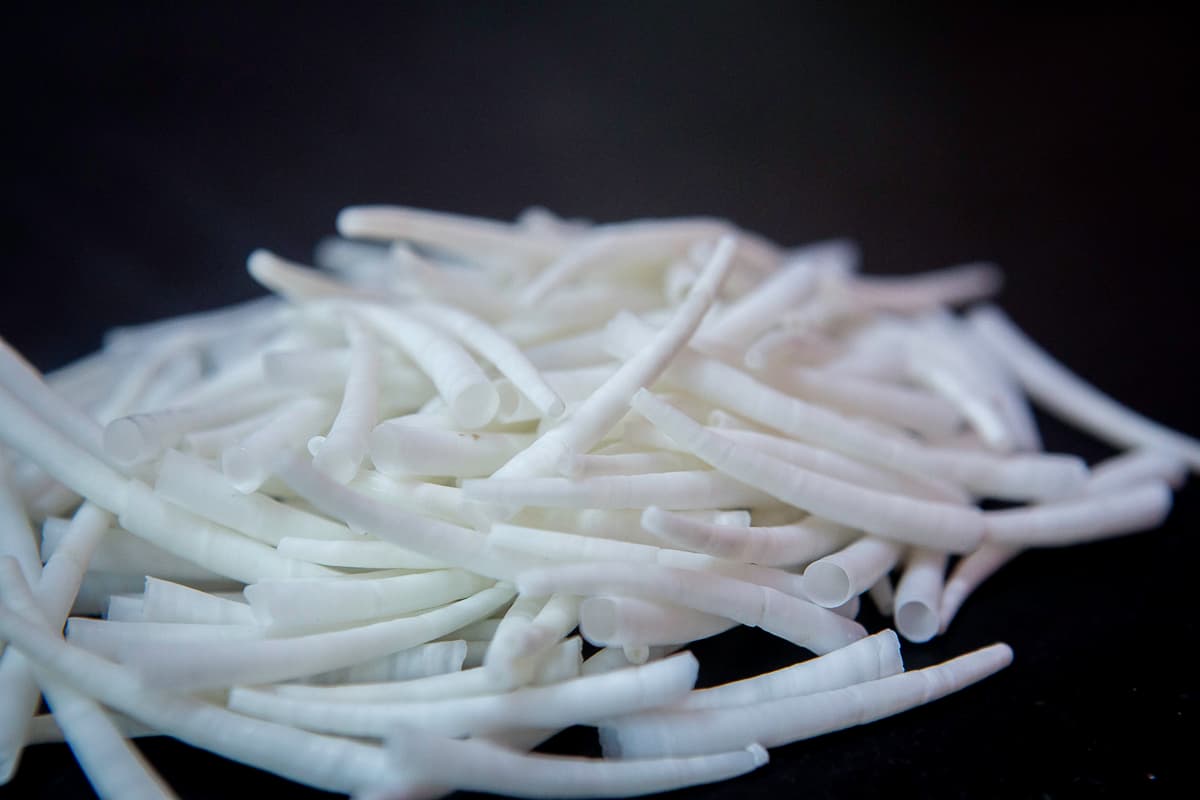

Dentalium shells are the small, tubular shells of a marine mollusk that burrows into the ocean floor off the Pacific Coast. Smooth, slightly curved and pale white, they look like miniature tusks — which is why they're also called tusk shells. The species most prized by Native peoples, Antalis pretiosum, ranges from Alaska to Baja California, living in sand and mud at varying depths. The word "dentalium" comes from the Latin for "tooth," a nod to their shape.
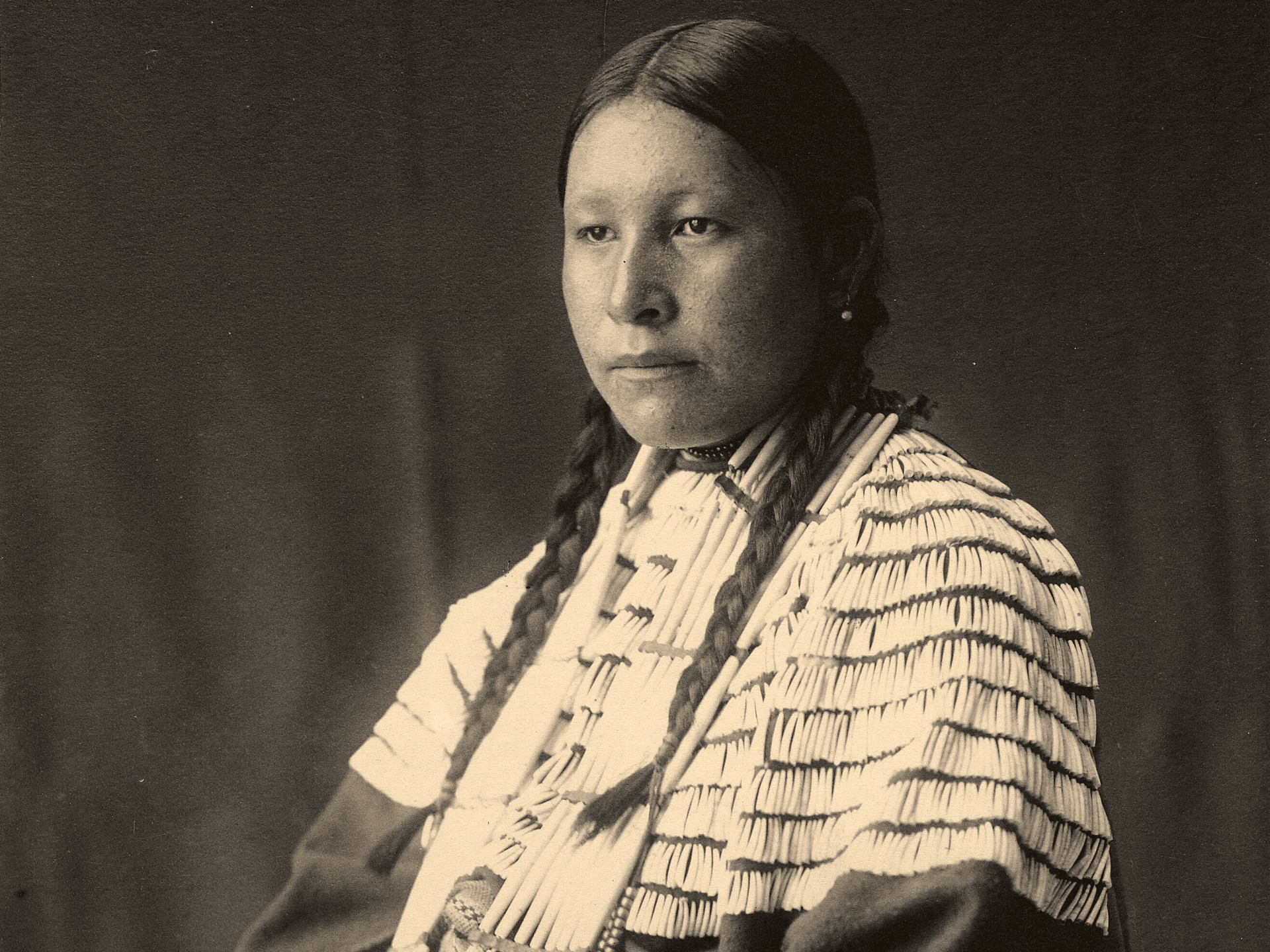
For Native nations, these shells were never just decorative. They were currency, status symbols and sacred objects. Among Pacific Northwest tribes like the Nuu-chah-nulth, harvesters used specialized tools passed down through generations to lift the shells from the seafloor. Measured, sorted by length and strung on standardized strings, a matched set of dentalium could settle a dispute, formalize a marriage or — in the Dakota Territory of the 1860s — buy a buffalo robe for just two or three shells. Archaeologists have found them in burial sites dating back more than 6,600 years.
Through vast continental trade networks, dentalium moved thousands of miles inland. The Mandan, Hidatsa and Arikara established what scholars have called the "Marketplace of the Central Plains," a string of villages along the Missouri River where copper arrived from the Ohio Valley, pipestone from Minnesota and dentalium from the Northwest. Women controlled much of the village economy, raising corn and directing trades that brought the shells into households. Before Europeans showed up, this network was already old and well-worn.
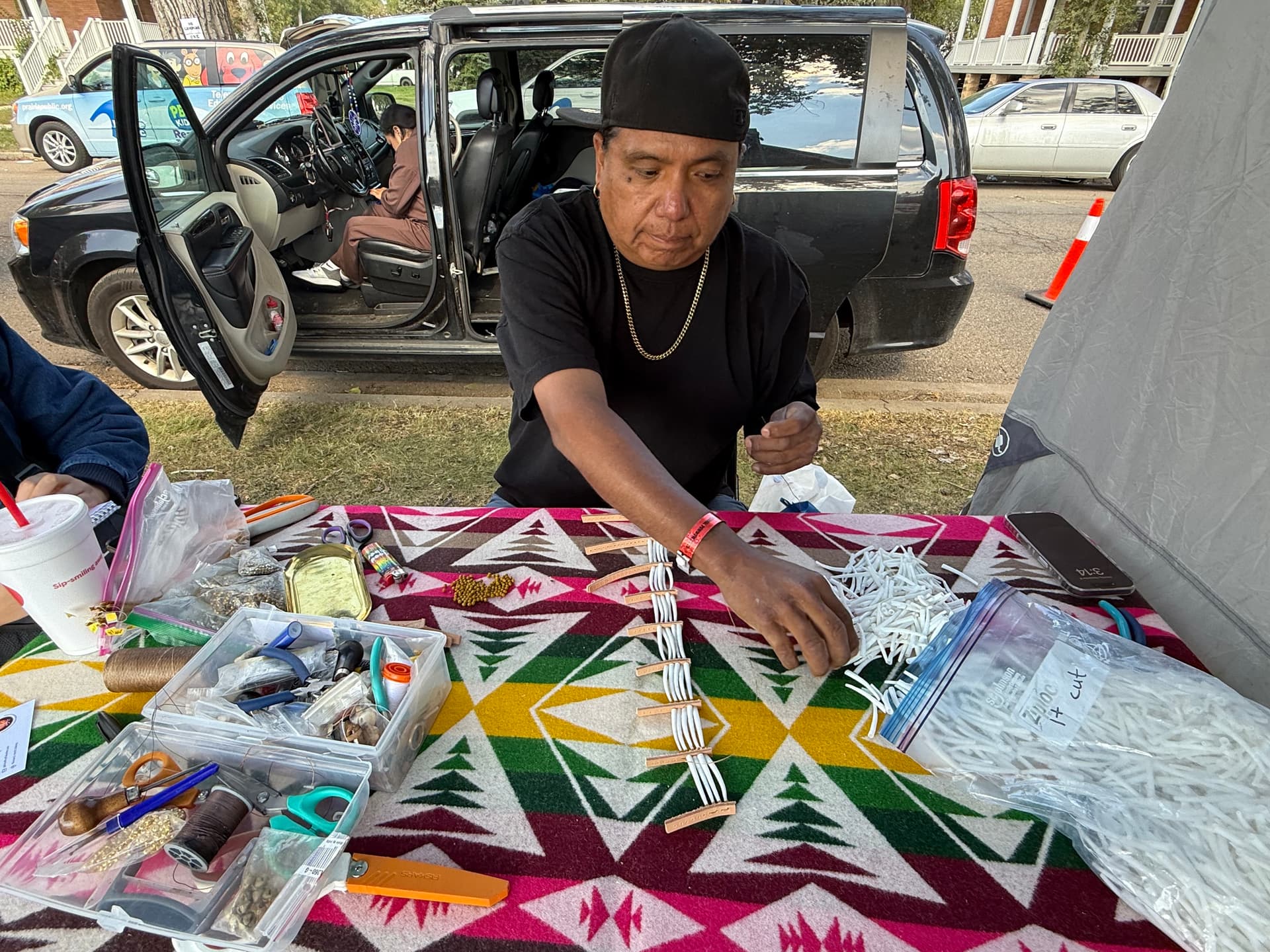
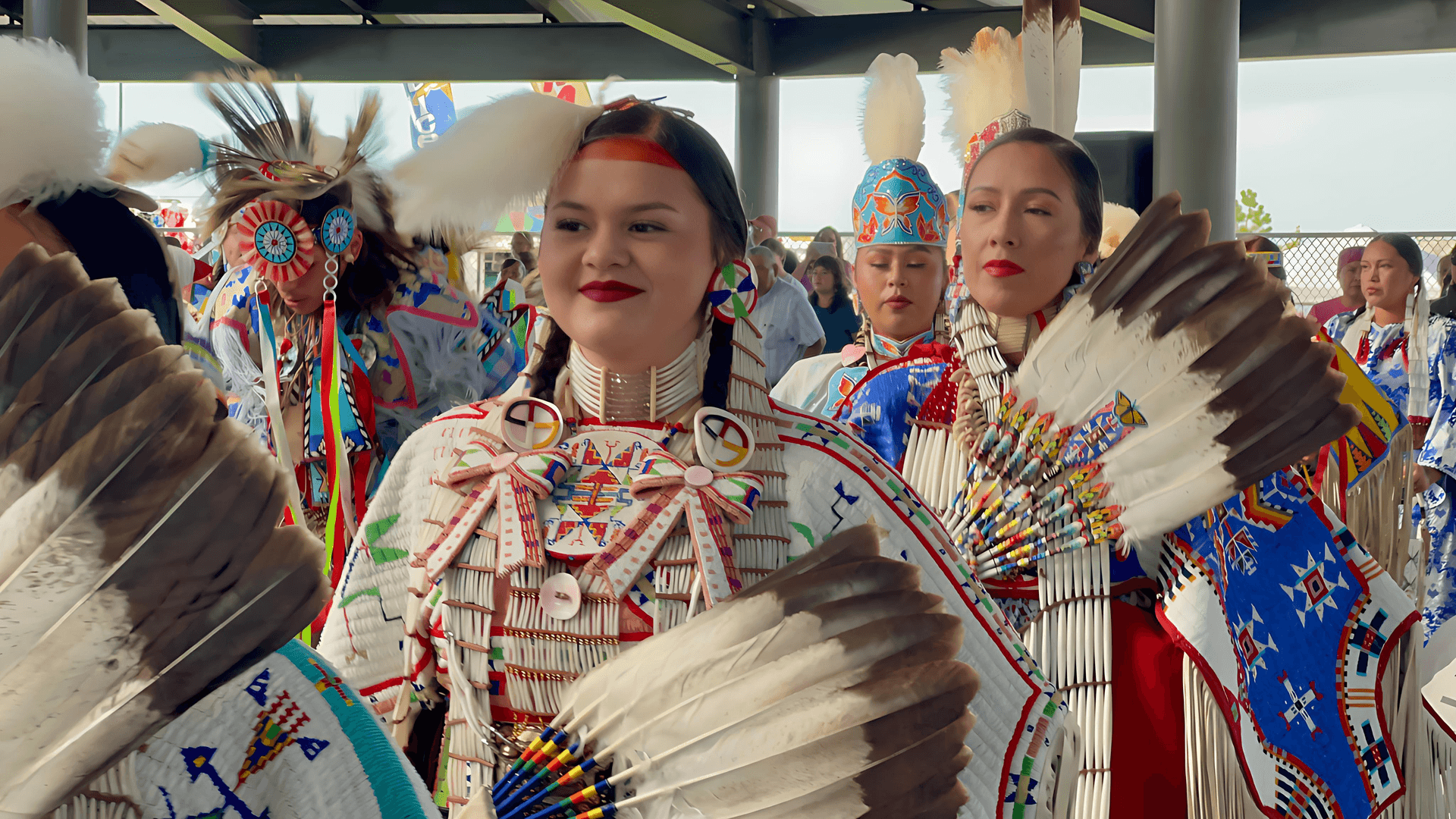
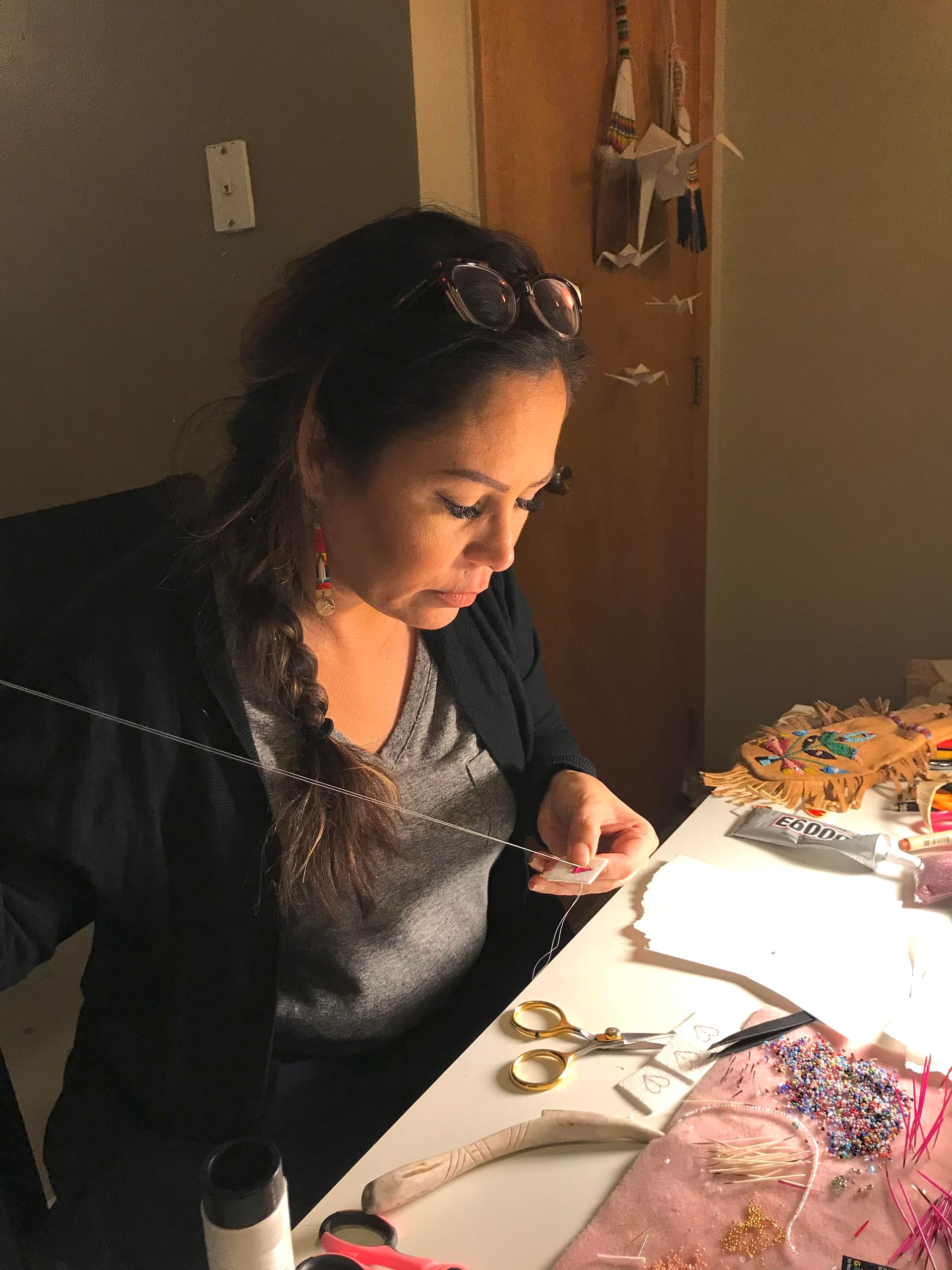
Smallpox epidemics, war and forced relocation collapsed those trade centers. But dentalium never disappeared from Native life. Today, the shells are sewn into jingle dresses, shaped into breastplates and strung into earrings by artisans like Russell McCloud, a Yakama Nation citizen whose brand Russwear is worn by champion powwow dancers across the Plains. "Being in the Plains, they all wear it," McCloud said. His fingers whitened with shell dust, he strings dentalium on waxed sinew at powwows from Bismarck to southern California — carrying forward a trade route that is centuries older than the country around it.
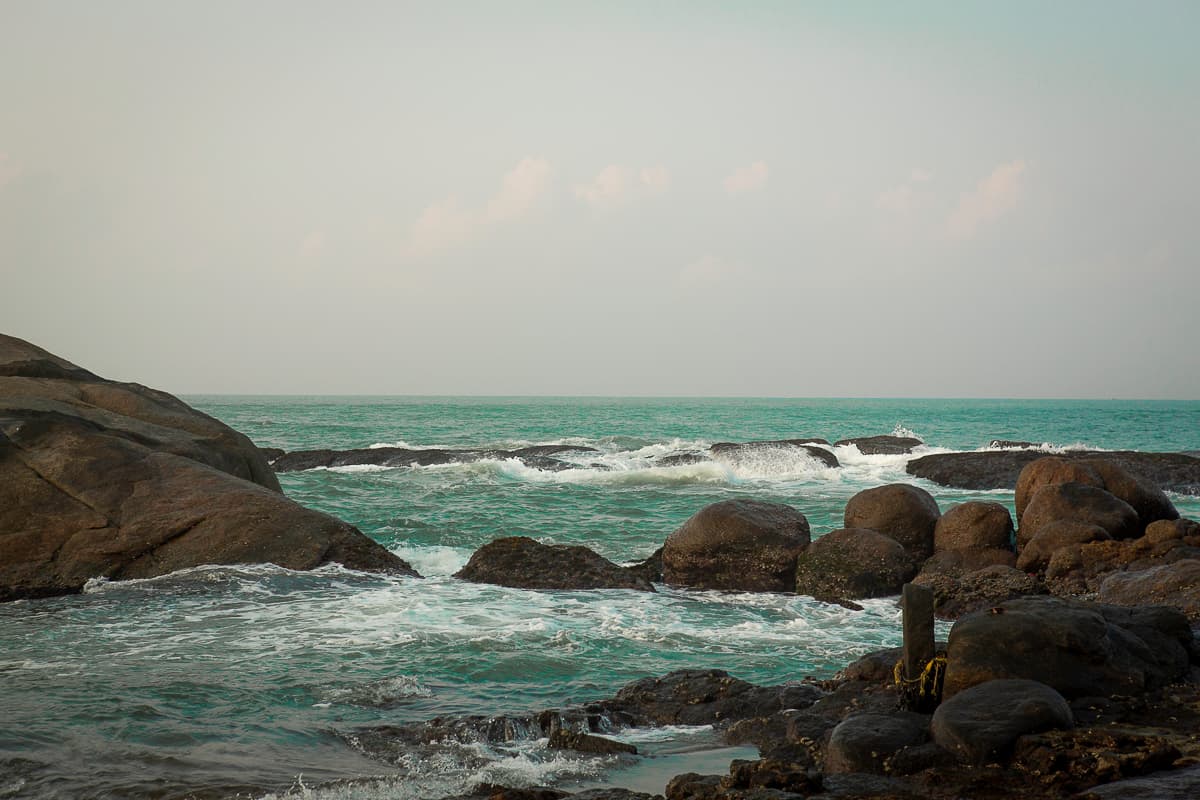
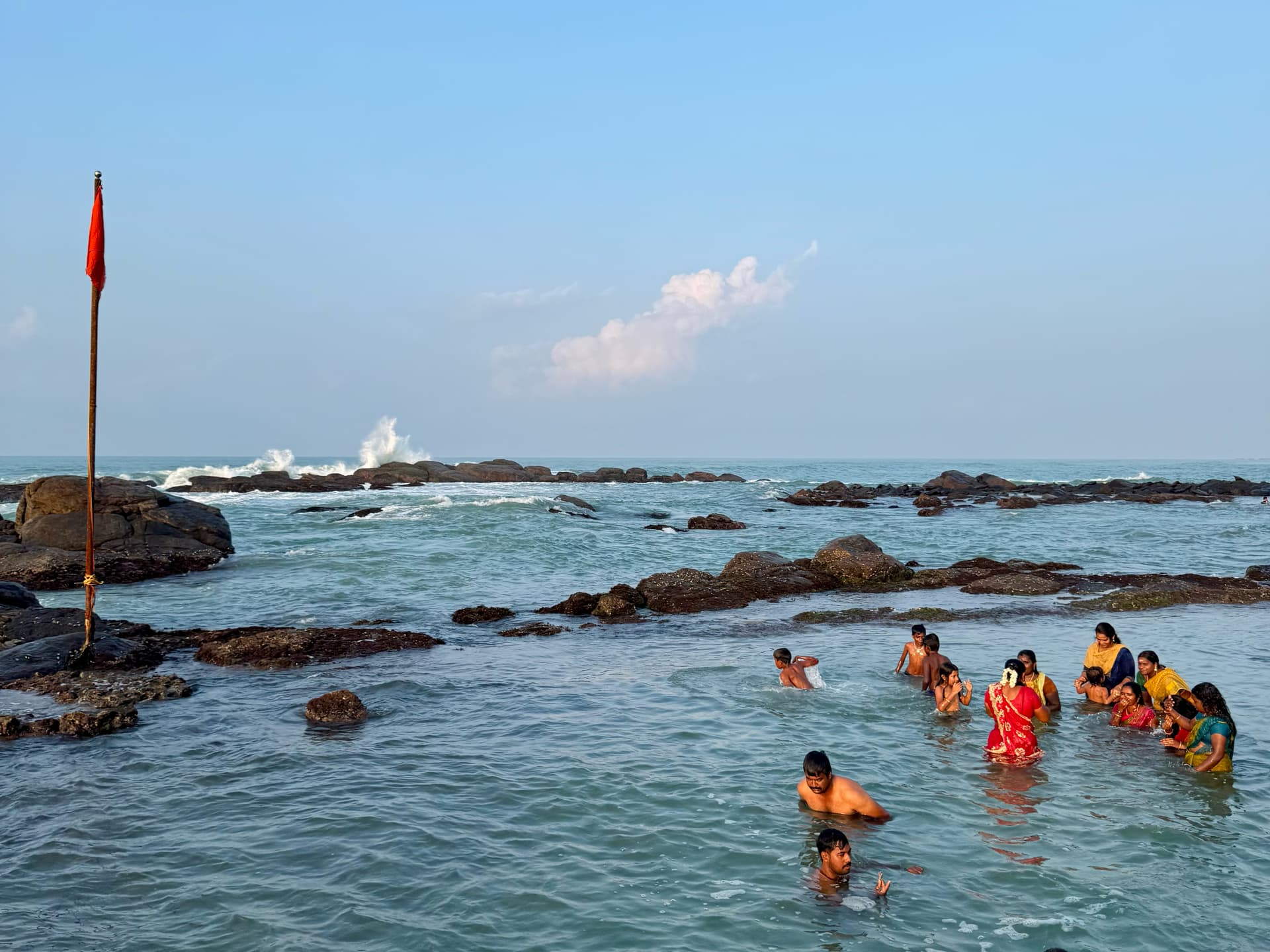
The supply chain, though, has changed completely. Traditional Pacific Northwest sources have been overharvested. Most dentalium on the market now arrives from India and Southeast Asia, harvested by fishermen off the coast of Tamil Nadu on the Arabian Sea. Demand surged around 2016, when the Dakota Access Pipeline movement sparked a revival of Indigenous style, and dealers have been scrambling ever since. Walmart now sells dentalium. During the pandemic, the shells couldn't be found anywhere. Buffalo's Fire traveled to the fishing villages in southern India to see firsthand how the two "Indian" worlds are connected by a shell that most people in India have never heard of.
The stories below trace that full journey — from ocean floor to powwow ground.
Respect The Fire
At Buffalo's Fire, we value constructive dialogue that builds an informed Indian Country. To keep this space healthy, moderators will remove:
Let’s keep the fire burning with respect.
Respect The Fire
At Buffalo's Fire, we value constructive dialogue that builds an informed Indian Country. To keep this space healthy, moderators will remove:
Let’s keep the fire burning with respect.