






South Dakota passes ‘Data Center Bill of Rights for Citizens,’ fails to consult with tribes
While new legislation aims to protect local customers from rising electricity rates, an Indigenous land conservation group is calling for a moratorium on data centers

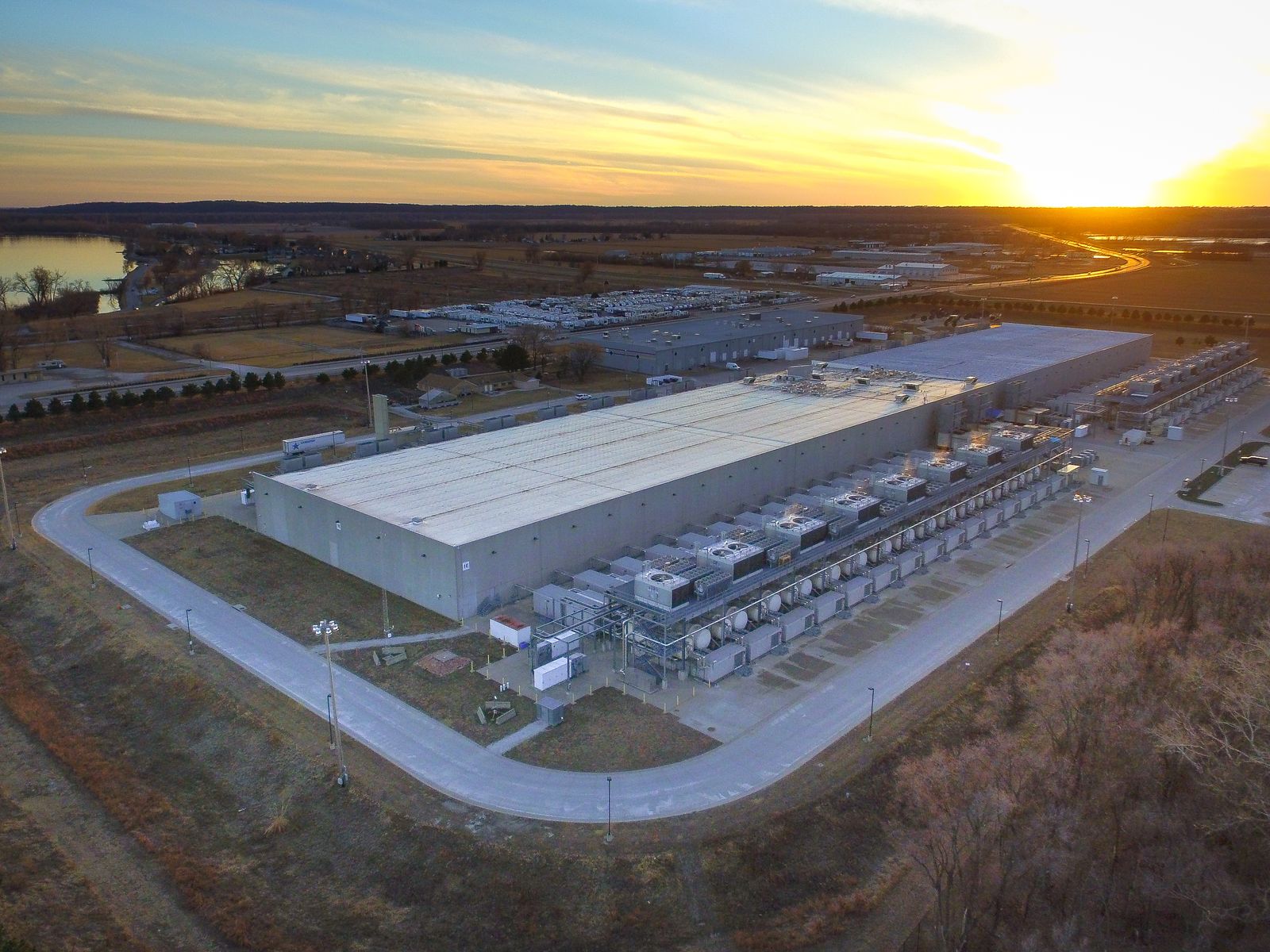

Last week, South Dakota lawmakers rejected a one-year moratorium on the building or expanding of data centers but passed two bills placing limits on the industry.
Backers of those bills said data centers could bring more jobs to the state and more property tax revenue to local governments. But opponents say that the energy large data centers use, including water and electricity, will be greater than anticipated and raise the costs of living.
Some also expressed to Buffalo’s Fire concerns over tribal sovereignty and the lack of input by the state’s federally recognized tribes and regional treaty councils.
Honor the Earth, an Indigenous-led nonprofit organization that supports Indigenous land conservation, is leading an effort to oppose large data centers.
Joseph White Eyes, an Honor the Earth organizer who lives in Eagle Butte, South Dakota, said laws that affect the lands and resources in treaty territories need to respect government-to-government relationships. “Passing something at this capacity without consultation of any tribal government is a slap in our face,” he said.
On April 7, Honor the Earth will appear at a public hearing in Fort Yates, North Dakota, organized by the Standing Rock Sioux Tribe, to argue in favor of a moratorium on new data centers on tribal lands and treaty territory.
“Treaty territory is anywhere on the eastern banks of the Missouri River to the original treaty territories,” White Eyes said, referring to the treaty territory of the Oceti Sakowin, politically and historically known as the Great Sioux Nation. The Fort Laramie Treaty of 1868 further established the Great Sioux Reservation, which included the Black Hills and lands in South Dakota, Wyoming, Nebraska and Montana. So far, there are no large-scale data centers in treaty territory, but smaller ones are planned for construction in the Black Hills area.
“Regardless of tribal nations’ stances on data centers, the state has shown us that it does not want to build relationships with us in regards to the development of larger technology in general,” White Eyes said.
A 30,000-square foot data center at the Black Hills Industrial Center on Highway 16 is expected to be completed in 2027. The developer, Sequitor Edge, has not shared additional plans with the public but has said its proposed 2-megawatt facility could expand to a 10 megawatt, 10-acre project.
At its 5th annual conference in Rapid City, in December, the Oceti Sakowin Treaty Council passed a resolution opposing the construction and operation of data centers in treaty territory. “There are laws and policies that protect us and our rights, but when the state continues making decisions like this without involvement as tribal nations, they continue to extract our resources,” White Eyes added. “What little oversight we have over the little resources that are left is overlooked.”
On March 24, South Dakota Gov. Larry Rhoden signed Senate Bill 135 and House Bill 1038, adding protections for consumers amid the growing data center industry.
Data centers use a massive amount of energy and water. House Bill 1038 applies to data centers with a peak demand of ten megawatts or greater, allowing the Public Utilities Commission to conduct a review of their actual usage and requiring data centers to pay for the costs associated with that review.
SB 135, known as the Data Center Bill of Rights for Citizens, requires data centers with a peak electrical demand of 10 megawatts or greater to pay for any increased electricity rates. Reports from other regions indicate large data centers are raising the costs of electricity to consumers, and consumers don’t want to incur those costs. SB 135 also adds water usage regulations and prohibits the state from limiting the authority of local governments to regulate or ban data centers.
“We made important strides with the passage of the Data Center Bill of Rights, helping to ensure greater transparency, accountability and local input for future projects,” State Sen. Red Dawn Foster told Buffalo’s Fire. “While I would have preferred a full moratorium on new data center development in South Dakota, I am grateful for the progress we achieved this session.”
South Dakota was one of 11 states, and the only one in the Plains, that considered moratoriums on new data center construction in 2026. Another bill that failed to pass would have incentivized the construction of large data centers by providing a 50-year sales-tax exemption.
Foster, who represents Oglala Lakota County, called the bill’s failure a “critical victory for taxpayers,” saying, “We should not be subsidizing big tech.”
Another bill would have exempted large backup generators from regulatory review by the state Public Utilities Commission. Backup generators would likely be used during construction on new data centers, and with no review there would be no public data on a project’s energy consumption.
“This effort is about protecting South Dakota’s water, land and way of life,” Foster said. “These are not abstract concerns, they are the foundation of our rural communities, our agricultural economy and our future. Any development must respect and preserve these essential resources.”
Darren Thompson
(Lac du Flambeau Ojibwe)Former Reporter
Sharing Is Caring
This article is not included in our Story Share & Care selection.
The content may only be reproduced with permission from the Indigenous Media Freedom Alliance. Please see our content sharing guidelines.
© Buffalo's Fire. All rights reserved.
We provide independent Native-focused reporting that gives our communities the context and the facts they need to make informed decisions.

Respect The Fire
At Buffalo's Fire, we value constructive dialogue that builds an informed Indian Country. To keep this space healthy, moderators will remove:
- Personal attacks, harassment, or hate speech
- Spam, misinformation, or unsolicited promotion
- Off-topic rants and excessive shouting (All Caps)
Let’s keep the fire burning with respect.