





Indigenous leaders say countries falling short on UN rights commitments
Advocates call for enforcement of UN declaration nearly two decades after adoption
Nearly two decades after the United Nations adopted the United Nations Declaration on the Rights of Indigenous Peoples, Indigenous leaders say countries are not fully implementing its protections, according to Grist. The declaration, adopted in 2007, sets international standards for Indigenous land, language and health rights, but advocates said governments continue to fall short.
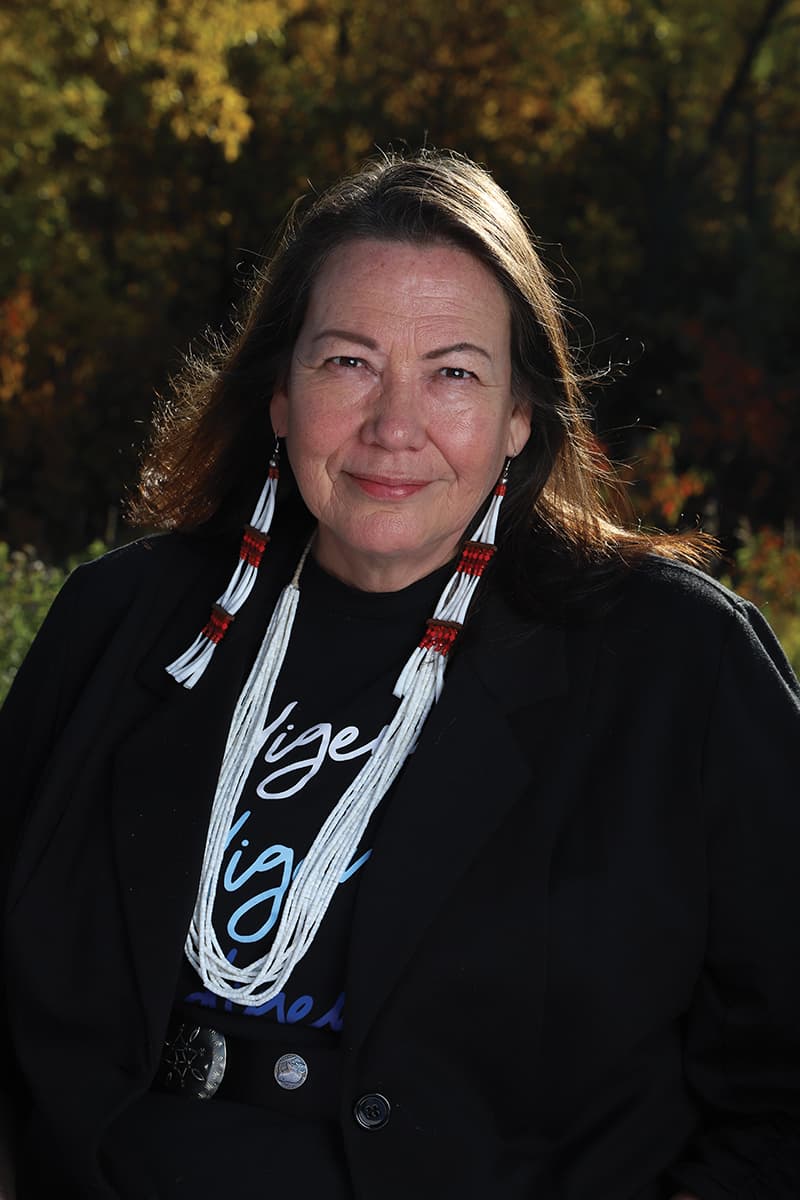
At the United Nations Permanent Forum on Indigenous Issues, leaders called for stronger enforcement and independent monitoring systems to ensure compliance, according to Grist. Kenneth Deer of the Mohawk Nation of Kahnawà:ke said countries need oversight to evaluate progress and address failures. Speakers also raised concerns about threats to land, language and cultural survival, while government representatives pointed to ongoing efforts and policy commitments to align with the declaration.
- 1.Dionne Phillips. Grist, .
Spotted an error? Suggest a correction.
We provide independent Native-focused reporting that gives our communities the context and the facts they need to make informed decisions.