






The Daily Spark
Small sparks from Indian Country, built to catch fire
Muscogee Nation commemorates McGirt ruling’s anniversary with Sovereignty Day event
The Muscogee Nation held a Sovereignty Day celebration to mark the fifth anniversary of the U.S. Supreme Court’s McGirt v. Oklahoma decision, according to Native News Online. The event took place at the College of the Muscogee Nation’s STEM Building Lecture Hall and included tribal leadership, citizens and special guests.
Principal Chief David Hill said the ruling confirmed the nation’s longstanding self-governance. A panel titled “Sovereignty in Action” highlighted efforts in justice, health, language revitalization and economic development. Riyaz Kanji, lead counsel in the McGirt case, spoke at the event. A time capsule filled with items from the Muscogee Nation will remain on display until 2050.
NCAI condemns Ann Coulter’s comment as hate speech
The National Congress of American Indians issued a statement condemning Ann Coulter’s July 6 post on X in which she stated, “We didn’t kill enough Indians.” The organization called the comment “a violent attack on Native people and Tribal Nations” and demanded an immediate retraction, public apology and platform ban.
“These words are not provocative social commentary; they are a violent attack,” said NCAI President Mark Macarro. NCAI Executive Director Larry Wright Jr. added that the statement “fuels harassment, hate crimes, and political violence.” The organization called on elected officials, media and X to denounce the comment and take action. NCAI urged the public to uplift Native contributions and voices, noting it will continue to confront rhetoric that threatens Native communities.
Online gambling apps draw concern from Mescalero Apache Tribe
Mescalero Apache Reservation Vice President Duane Duffy is calling on New Mexico officials to address online sports gambling apps that he says threaten tribal gaming rights, according to Source New Mexico. Duffy told state lawmakers that companies like Kalshi operate under the guise of financial trading to offer online betting, which violates state-tribal gaming compacts.
Duffy said the Mescalero Apache Tribe will seek support from the Legislature and the New Mexico attorney general during the 2025 legislative session. Lauren Rodriguez, chief of staff for the attorney general, confirmed receipt of a letter from gaming tribes. Duffy cited a similar case involving the app Jackpocket, which ceased operations following the attorney general’s determination that it constituted unauthorized internet gaming.
Oak Ridge Fire containment shifts response to recovery phase
With the Oak Ridge Fire 87% contained, response efforts on the Navajo Nation have shifted toward recovery, according to the Arizona Mirror. The fire, which began June 28, has burned more than 11,000 acres and prompted evacuations across several communities.
Navajo Nation Council Delegate Brenda Jesus said no structures were lost and called for stronger emergency planning.
Officials from the St. Michaels Chapter led door-to-door relief efforts and distributed donations with help from volunteers. Native Health and other organizations coordinated donation drives, while certified volunteers like Glenda Tsosie Wheeler assisted evacuees. As of July 6, the chapter house stopped its emergency response team, with recovery and mitigation efforts now underway.
Appeals court denies rehearing in North Dakota redistricting case
The 8th U.S. Circuit Court of Appeals declined to rehear a case brought by the Turtle Mountain Band of Chippewa, Spirit Lake Nation and three tribal citizens challenging North Dakota’s 2021 redistricting plan, according to reporting by the North Dakota Monitor. In a 7-3 decision, the court rejected a request for an en banc hearing. Chief Judge Steven Colloton, former Chief Judge Lavenski Smith and Judge Jane Kelly were in support of the hearing.
The Native American Rights Fund called the decision “a loss for Native American voters in North Dakota.” The case stems from a 2022 lawsuit alleging the redistricting plan diluted Native voting power in violation of the Voting Rights Act. U.S. District Judge Peter Welte initially ruled in favor of the plaintiffs, but the 8th Circuit reversed the decision. The plaintiffs may still file a petition for the U.S. Supreme Court to review the case.
Women Are Sacred conference returns in 2025
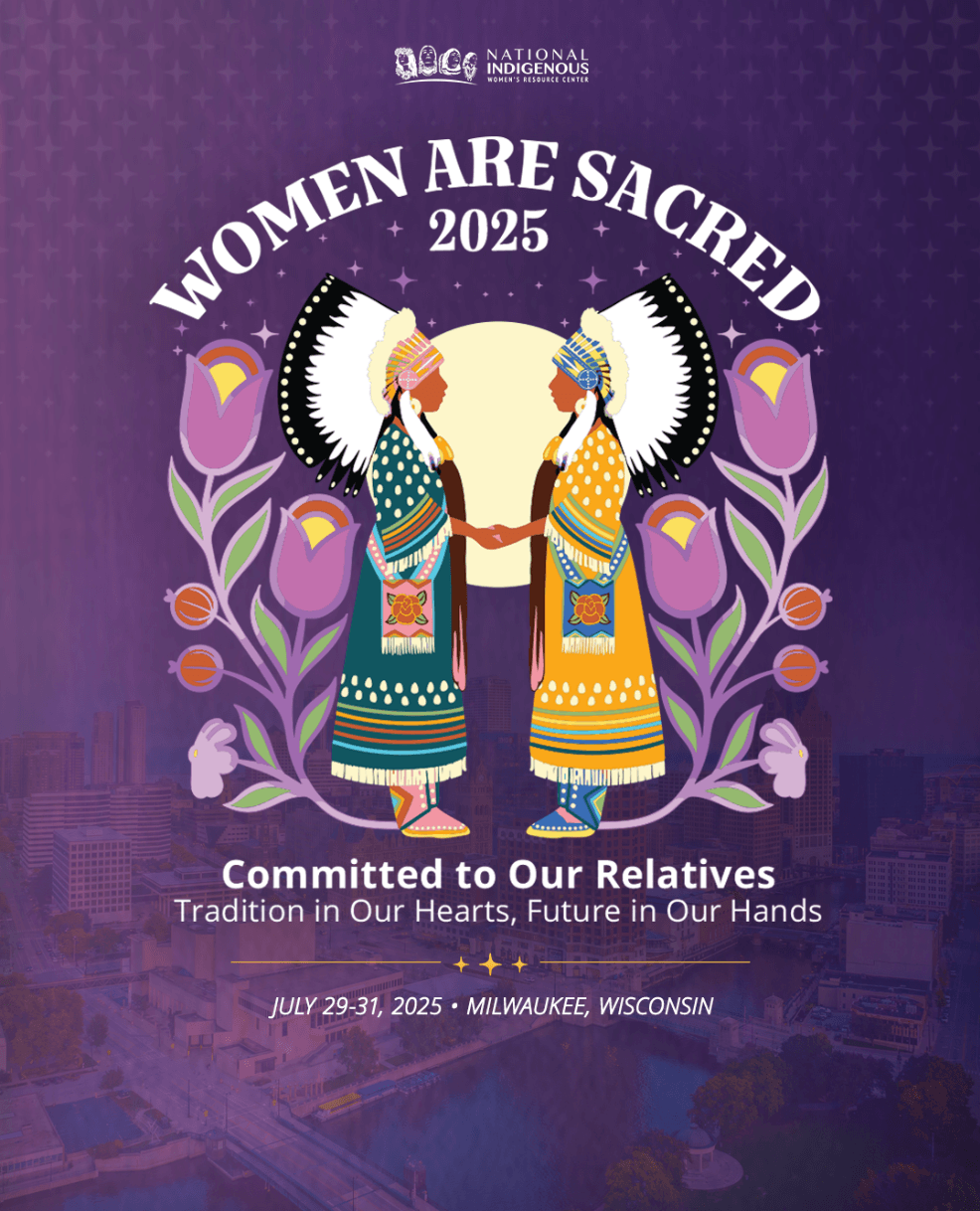
The National Indigenous Women's Resource Center will host the 2025 Women Are Sacred Conference from July 29-31 at the Baird Convention Center in Milwaukee, Wisconsin, according to an announcement by NIWRC. Held every two years, the event is one of the largest gatherings focused on ending violence against Native women and children.
This year’s theme, “Committed to Our Relatives: Tradition in Our Hearts, Future in Our Hands,” emphasizes the role of Native women as changemakers and protectors. The conference will include training sessions and networking opportunities for advocates, survivors, law enforcement, tribal leadership and court personnel. According to NIWRC, the event aims to strengthen tribal responses to violence through capacity-building and shared learning.
BIA schedules additional consultations on educational freedom executive order
The Bureau of Indian Affairs will hold three more virtual consultations July 14-15 to discuss Executive Order 14191, which aims to expand educational freedom and opportunity for families, according to a May notice from the Bureau of Indian Education. The sessions will review proposed mechanisms based on feedback from 484 participants in March consultations, including reserving nearly $1.3 million in Elementary and Secondary Education Act funds to support student services such as tutoring and career education.
Additional topics include technical assistance for tribes interested in assuming control of BIE-operated schools and increasing Tribal Education Department grants. The BIE will also host a separate session focused on strengthening postsecondary pathways and transitioning schools to tribal control. Oral and written comments will be accepted through July 25. Registration details are available on the BIE website.
St. Paul hosts first Native American food truck festival
Minnesota’s first Native American food truck festival drew large crowds to Harriet Island Regional Park in St. Paul on July 5, according to KARE 11. The one-day event featured several Native-owned and co-owned food trucks, along with more than a dozen vendors selling handmade Indigenous goods.
Mariah Grant, co-owner of Trickster Tacos, organized the event to mark her business’s fifth anniversary. “Instead of an anniversary party we wanted to do something bigger and better for the community,” Grant said. Some customers of Pow Wow Grounds Frybread Factory stood in line for two-and-a-half hours, telling KARE 11 the food was worth the wait. Artists Courtney Cochran of Skoden Studio and Aiyana Kline of Gingko Wolf also participated in the festival, sharing their work and cultural expression.
Tribal leaders warn new federal law threatens sovereignty and gaming revenue
Tribal leaders are raising concerns about the federal budget reconciliation bill signed into law by President Donald Trump on July 4, warning of its potential to erode tribal sovereignty and harm tribal economies, according to CDC Gaming. The $4.8 trillion law includes cuts to Medicaid, food assistance and clean energy programs while increasing funding for immigration enforcement and the military.
During a July 2 webinar hosted by the Indian Gaming Association, Victor Rocha, Jason Giles, Larry Wright Jr. and lobbyist John Harte discussed the law’s impact on tribal governance and gaming. Rocha said the bill threatens education, energy and jurisdictional authority in Indian Country. The law also caps gambling loss deductions at 90%, raising concerns about reduced casino revenue. Wright said the bill will have a “long-lasting impact on tribal members.”
New Mexico launches Turquoise Alert for missing Native people, but eligibility rules unclear
New Mexico’s Turquoise Alert system for missing Native people went into effect July 1, but how police determine who qualifies remains uncertain, according to New Mexico In Depth. The law allows alerts for individuals enrolled or eligible for enrollment in a federally or state-recognized tribe. But a spokesperson for the New Mexico State Police said each law enforcement agency will decide how to verify eligibility, raising concerns about delays.
Advocates, including Urban Indian Health Institute Director Abigail Echo-Hawk, said verification delays could slow alerts, particularly for those from out-of-state tribes. State Rep. Michelle Paulene Abeyta, a bill co-sponsor, said she is open to changes if the process becomes a barrier. The state police will post alerts online and on Facebook until phone notifications become available.
Cal State bans classroom use of Native artifacts without tribal consent
The California State University system has adopted a new interim policy that prohibits faculty from using Native American human remains or cultural items in teaching or research without first obtaining permission from the relevant tribe, according to The College Fix. The July 1 policy aligns with federal and state repatriation laws and requires all 23 CSU campuses to identify and return such items to tribes, while also mandating tribal consultation.
Anthropologist Elizabeth Weiss criticized the policy in an interview with The College Fix, saying it restricts academic freedom and prohibits activities such as measuring remains or taking photographs. If an artifact’s tribe of origin is unknown, the policy prevents it from being used for research or teaching.
Amy Bentley-Smith, a CSU spokesperson, was quoted as saying that meaningful engagement with tribal nations “enriches academic research and teaching by grounding it in respect, accuracy, and collaboration.”
UM law clinic builds digital archive of tribal legal history
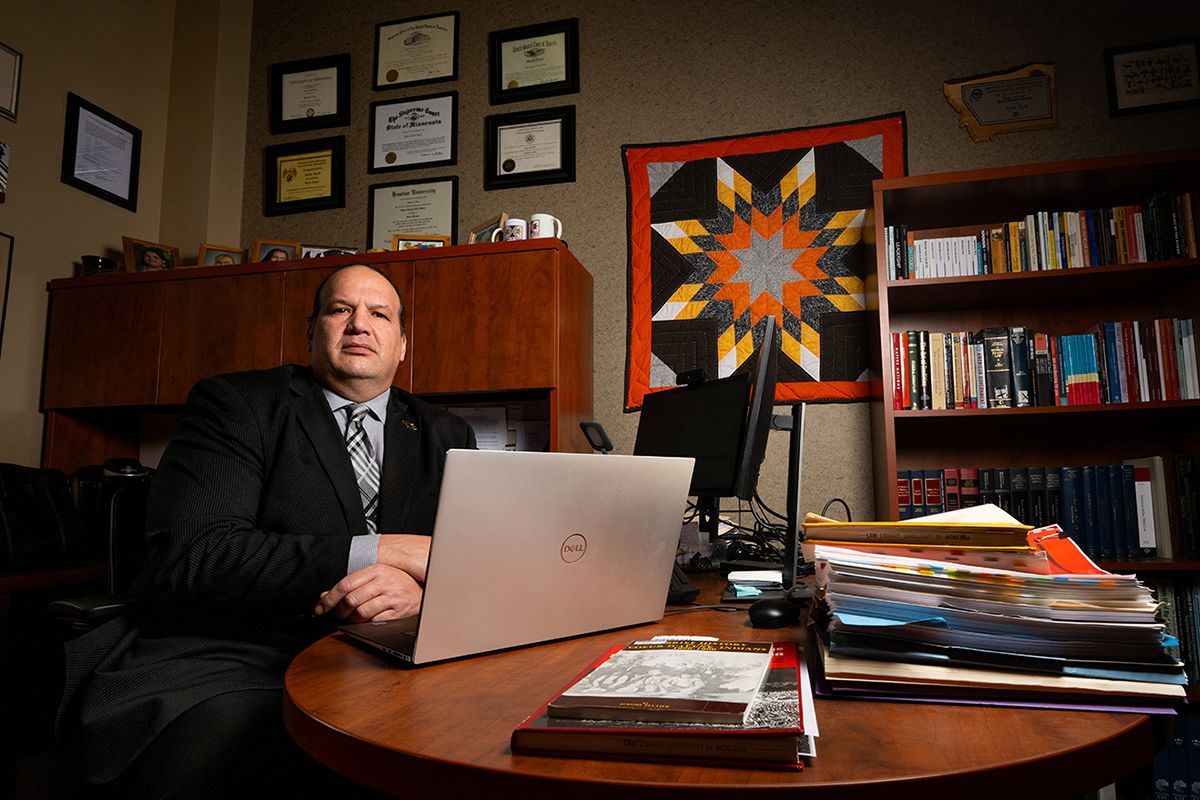
The Margery Hunter Brown Indian Law Clinic at the University of Montana is developing the Indian Law Portal, a comprehensive digital archive of legal documents from Montana’s tribal nations. According to UM law professor Kekek Stark, who directs the clinic, the project aims to preserve Indigenous legal histories and strengthen tribal sovereignty. Law students travel across the state to collect and digitize forgotten records, often found in basements and storage vaults. The documents are uploaded to UM’s Scholarworks repository via the Jameson Law Library. David Ricci, a third-year law student and enrolled member of the Little Shell Tribe, said the project helps “build a foundation for future laws” by preserving knowledge that would otherwise be lost. Stark said each record helps restore harmony and balance that creates a clearer understanding of the past.
Native American Bank allocates $50 million for health and childcare projects in Indian Country
Native American Bank has released details about five projects funded by its 2022 New Markets Tax Credit allocation, totaling more than $50 million to support health and childcare in American Indian communities. The projects include $15 million for a new healthcare facility for the Confederated Tribes of the Colville Reservation in Washington, $7.5 million to improve wastewater treatment in Kayenta, Arizona, and $9 million for the Santo Domingo Pueblo’s Kewa Childcare and Family Engagement Center in New Mexico, according to a bank press release. Additional funding supports a childcare and workforce development center for the Winnebago Tribe of Nebraska and a new medical building for the Native American Community Clinic in the Twin Cities. Joel Smith, president of NAB’s Community Development Division, said the projects provide culturally competent healthcare, language instruction, clean water and stable jobs.
The New Markets Tax Credit program is managed by the Community Development Financial Institution Fund within the U.S. Treasury Department.
Houlton Band and Penobscot Nation launch Wabanaki child support consortium
The Houlton Band of Maliseet Indians and the Penobscot Nation signed an agreement June 4 to form the first-ever Wabanaki Child Support Consortium, according to The County. The agreement, signed at the Penobscot Nation’s administration building on Indian Island, will allow the tribes to establish, enforce and modify child support orders and determine legal paternity through a coordinated tribal child support program.
HBMI Chief Clarissa Sabattis said the agreement “is an opportunity to strengthen our sovereignty and self-determination” and will allow easier access for tribal citizens. Awendela Williams, WCSC program coordinator, called the initiative “an exciting new journey.” The program aims to improve children’s lives, assist parents and strengthen tribal institutions.
Trump tax bill threatens tribal clean energy projects
President Donald Trump signed a tax bill July 4 that tribal leaders warn will harm clean energy projects critical to tribal communities, according to reporting by Grist. The legislation largely dismantles programs established under the 2022 Inflation Reduction Act, including tax credits for tribal wind, solar and battery storage projects. Tribal households face more frequent power outages and higher energy costs than the national average. Tribal leaders say the bill undermines sovereignty, threatens energy access and job growth, and ignores tribal consultation. Chalyee Éesh Richard Peterson, president of the Tlingit and Haida, called it “a betrayal of the federal trust responsibility.” Crystal Miller of the Alliance for Tribal Clean Energy said clean energy projects are life or death for some communities relying on solar power for heating and electricity. Tribal nations across Alaska, Arizona, California and South Dakota fear stalled projects, outages and economic disruption due to the bill’s impacts.
Billy Kirkland nominated as assistant secretary of Indian affairs
William “Billy” Kirkland, a Navajo citizen, was nominated Feb. 3 to be assistant secretary of the Interior for Indian affairs, according to Indian Country Today. The role supports the Interior secretary in fulfilling treaty and trust responsibilities to tribal nations. Kirkland previously served as special assistant to the president and deputy director of intergovernmental affairs during Trump’s first term. He also served as director of external affairs in the Office of the Vice President. The National Congress of American Indians welcomed the nomination, expressing anticipation to work with Kirkland on tribal sovereignty issues. The Senate Committee on Indian Affairs will hold a hearing on Kirkland’s nomination on July 16.
Lakota youth gain skills and sovereignty through Sacred Storm Buffalo
Sacred Storm Buffalo in Rapid City, South Dakota, is training young Lakota adults in buffalo processing as part of a workforce development program rooted in cultural restoration, according to Tribal Business News. Apprentices learn to raise, butcher and distribute meat, create products such as soap made from buffalo fat and engage in traditional practices, all while earning food certifications.
Founder Chris White Eagle said the work offers purpose and healing. The program includes a sober living “warrior lodge” and is supported by Hódhoka Kin Holdings, the Tanka Fund and other Native-led organizations. With funding from NDN Fund, Sacred Storm opened training centers and distributed 50,000 pounds of buffalo products within six months. Tanka Fund Executive Director Dawn Sherman said the program is helping restore the buffalo economy once central to Native life.
Youth agriculture summit returns to Arkansas with focus on risk management
The Indigenous Food and Agriculture Initiative will host the 11th Annual Youth in Agriculture Leadership Summit from July 10-17 at the University of Arkansas in Fayetteville, according to an IFAI media alert. The summit brings together Native American, Alaska Native and Native Hawaiian youth, ages 18-24, to learn from industry professionals and collaborate on capstone projects.
Whitney Nelson, IFAI’s youth coordinator, was quoted as saying that this year’s theme is “Grow Your Potential.” The curriculum focuses on agricultural risk management. IFAI created the summit in 2014 to support Native producers and future leaders in agriculture, according to attorney Erin Parker, who helped create the first youth summit in 2014. The program’s alumni have gone on to become farmers, attorneys and policy leaders.

Washington law makes tribal warrants enforceable by state officers
A new Washington law, effective July 1, allows state and tribal law enforcement to certify tribal warrants as state warrants. According to a release from the Washington State Attorney General’s Office, House Bill 1829 empowers nontribal officers to arrest individuals wanted on tribal court warrants and route them through local superior courts for return to tribal jurisdictions.
The law, sponsored by state Rep. Debra Lekanoff updates the Tribal Warrants Act and requires tribes to meet federal and state legal standards for certification. Certified tribes must affirm rights to counsel, public access to laws and procedures and judge qualifications. Attorney General Nick Brown said the law supports tribal sovereignty and strengthens justice partnerships statewide.