






On national day of awareness, MMIP crisis takes center stage
Theater campaign involves dozens of Native organizations

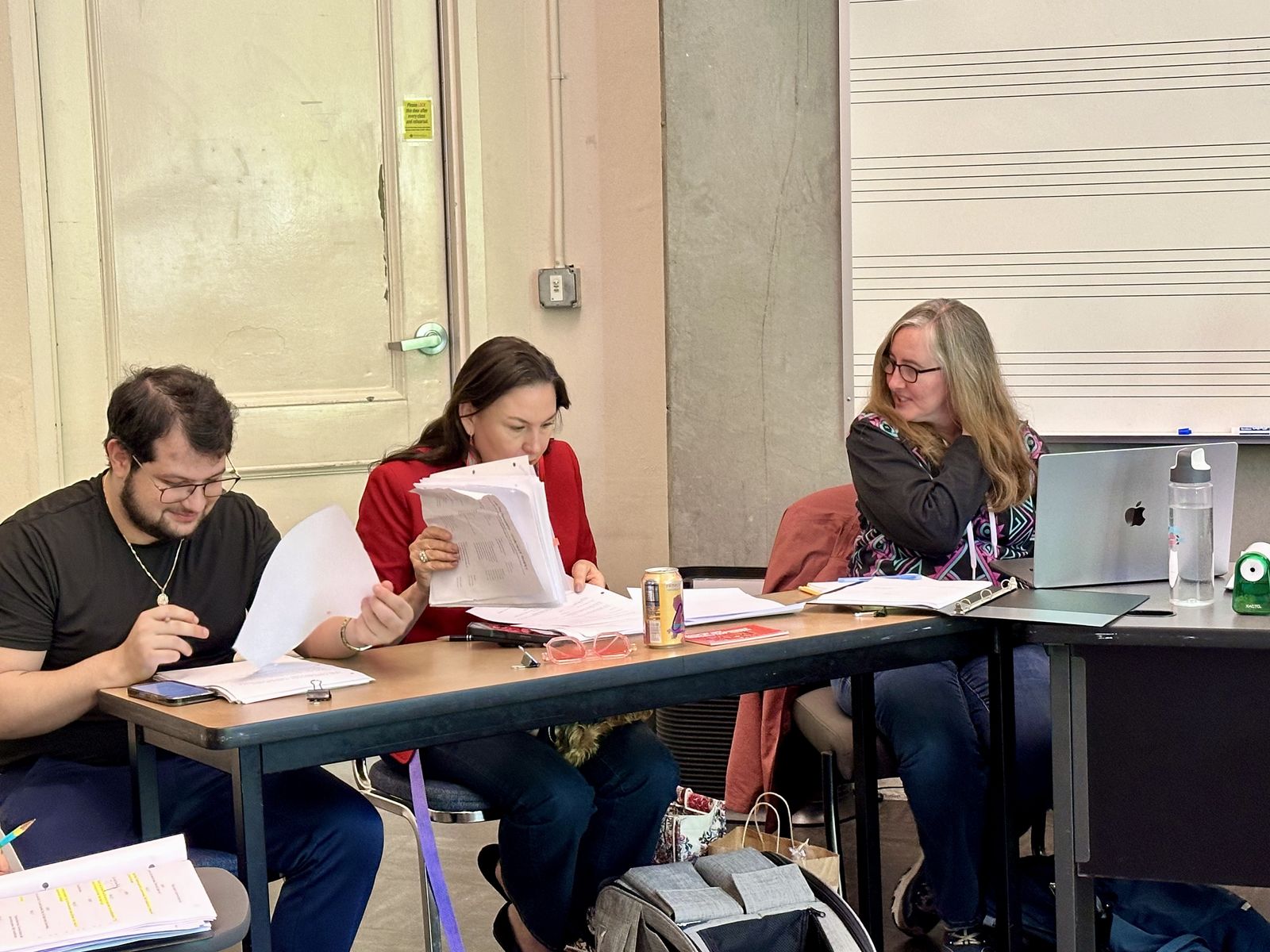

A collective voice will rise May 5. Not only from streets and parks, but from stages, galleries and playhouses, where Native people will mourn lost and murdered relatives and call out indifference and oversight from the greater community.
For almost a decade May 5 has been an official day to honor those affected by the MMIP crisis and to spread awareness of the issue. This year will be the first time it has an accompanying theater campaign.
Twenty-five theater groups in 12 cities will hold readings and performances from coast to coast, in small cities like Colorado Springs as well as large ones like New York, Boston and San Francisco. There will also be a virtual event.
Jeanette Harrison, the creative director of the Oregon-based Native Performing Arts Network, has coordinated the National Day of Theater Readings for Missing and Murdered Indigenous Women and Relatives. She told Buffalo’s Fire that a large part of the mission is to engage audiences in ways only theater can and to draw attention to the stories of those who’ve disappeared. She referenced the Urban Indian Health Institute’s finding that 95% of missing Indigenous women cases never make the national news.
“Native activists, who are usually family members of someone who’s gone missing, have been speaking out about this issue for decades,” said Harrison, who’s of Onondonga descent. “Hopefully, this action by theaters across the country will amplify their work and inspire action and change.”
Harrison added that she believes the event will make history, with the work of more Native playwrights than ever — at least 15 — on American stages at the same time.
One production will be at the Guthrie Theater in Minneapolis, a reading of White Earth Ojibwe playwright Marcie Rendon’s “Say Their Names,” which the Native Performing Arts Network’s press release says weaves poetry, memory and “the deliberate speaking of names into an act of collective remembrance.”
The Guthrie will also stage a reading of “I is for Invisible,” by DeLanna Studi (Cherokee), which is a finalist for the 2026 Susan Smith Blackburn Prize. It portrays a family’s frantic search for a missing relative and the obstacles they face in trying to find resolution, including an apathetic larger culture and law enforcement response.
Sara Pillatzki-Warzeha (Sisseton-Wahpeton Oyate) and Adrienne Zimiga-January (Oglala Lakota Nation) are both members of the Guthrie’s Native Advisory Council, as well as Mni Giizhik Theatre Ensemble, which they founded with the multidisciplinary artist Sequoia Hauck (Anishinaabe and Hupa). They said they incorporated many cultural and ceremonial aspects with this upcoming presentation.
“We came to a realization that when we're speaking these young people's names, we needed to offer something,” said Zimiga-January. “So we do a tobacco offering in each one of their names. We sage the area before we start. Try and set a tone in that way that this is not something that is theatrical. It really is more of a call to action piece.”
Another part of the MMIP issue the two want to address is the priority a missing white woman has over a Native woman. They recall the disappearance and murder of Instagrammer Gabby Petito in 2021. The case dominated headline news for weeks, while hundreds of unsolved MMIP cases went unnoticed.
“This is an opportunity for white people to hopefully see that hypocrisy and recognize it in themselves,” said Pillatzki-Warzeha. “And want to know more, but also help demand we continue to get support from law enforcement and government agencies to help these families that are struggling, that are lost right now because of a loss of their family member.”
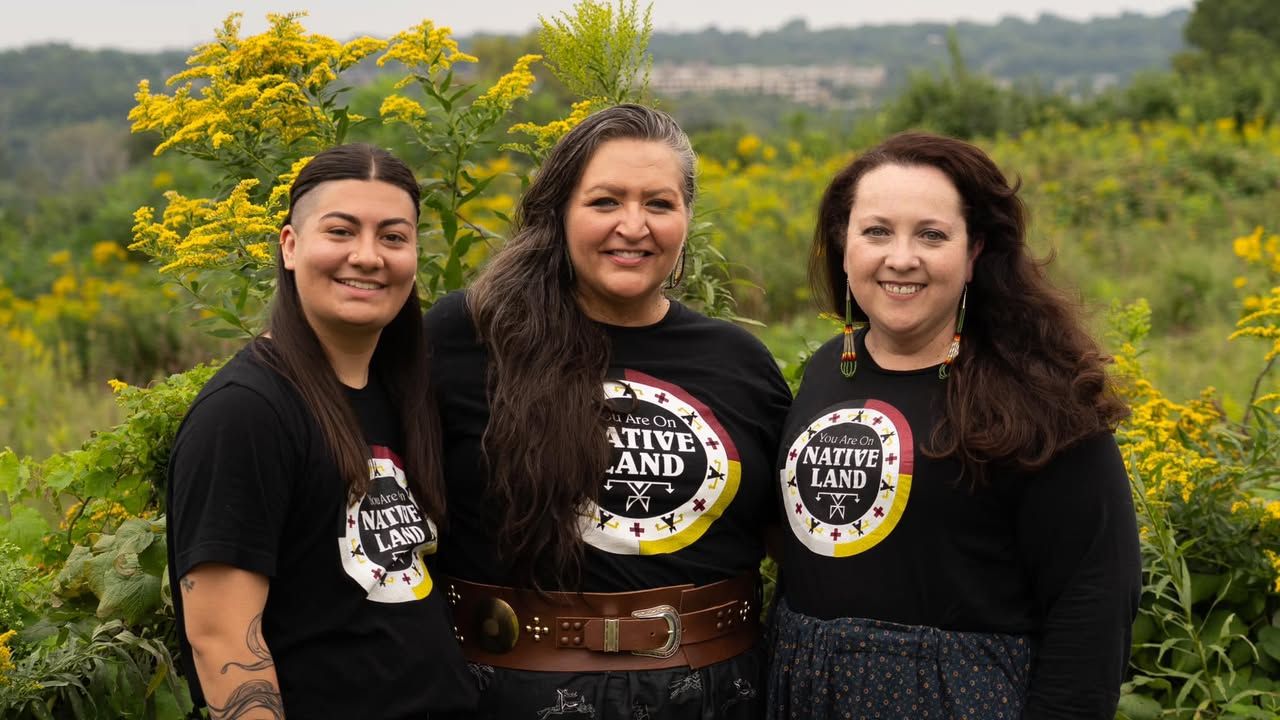
In Chicago, Dancing Pony Productions will partner with the American Indian Center to present an evening of original work about MMIP created by local Native women, including the graphic novel “If I Go Missing” by Brianna Jonnie, an Ojibwe from the Roseau River First Nation in Manitoba. The story not only addresses the tragedy of a missing teen, it chastises authorities’ indifference and lack of urgency in investigating cases of missing Indigenous people.
“When I heard of this, I just jumped at the chance,” said producer Louis Vasseur (Ojibwe, Lac Courte Oreilles Band of Lake Superior), founder of Dancing Pony Productions. “Because Native theater just doesn't get the respect that we deserve.”
Vasseur’s production will open and close with a local drum, individual readings interspersed with an original song comprising rap music and spoken word. Besides working with the American Indian Center, he said he’s also been talking with elders in Chicago’s Native community and discussing how to present sensitive and difficult issues associated with MMIP: “Just because I don't want to cause more harm than good. It's an important story to get out.”
One of the great challenges for performers in these types of productions is to convey the terror, grief and uncertainty of MMIP cases without reopening old wounds for families or the community. Zimiga-January and Pillatzki-Warzeha say they know of actors who either burn out or avoid such roles altogether. This is when reflection, prayer and recognizing the greater good that comes from sharing MMIP stories can help.
And even in difficult situations, there can be laughter.
“We all say if we didn't find moments — even in the hardest times — to laugh, we wouldn't survive, right?” said Pillatzki-Warzeha.
The humor in “I is for Invisible,” she said, “is through how they talk about and remember their missing loved one, which is so beautiful. It's a play about family and how we handle situations like this.”
During the May 5 observance of MMIP, audiences will get to learn about a crisis that advocates say still goes unrecognized by many outside the Native community. But organizers say theater can engage people on a deep and meaningful level in ways that public service announcements and flyers cannot.
Harrison told Buffalo’s Fire that she hopes the event will lead to more ways in which theater can be a tool and a resource to work with Native communities.
“So many of the stories that get told in popular culture rely on stereotypes,” she said. “They rely on the trauma of Native women. And instead, hopefully, we can find more pathways to more complex, authentic contemporary representations of Native people that are led by Native artists.”
For a complete rundown of all the theater organizations participating in the National Day of Theater Readings for Missing and Murdered Indigenous Women and Relatives, visit this link.
Sharing Is Caring
This article is not included in our Story Share & Care selection.
The content may only be reproduced with permission from the Indigenous Media Freedom Alliance. Please see our content sharing guidelines.
© Buffalo's Fire. All rights reserved.
We provide independent Native-focused reporting that gives our communities the context and the facts they need to make informed decisions.
Respect The Fire
At Buffalo's Fire, we value constructive dialogue that builds an informed Indian Country. To keep this space healthy, moderators will remove:
- Personal attacks, harassment, or hate speech
- Spam, misinformation, or unsolicited promotion
- Off-topic rants and excessive shouting (All Caps)
Let’s keep the fire burning with respect.