






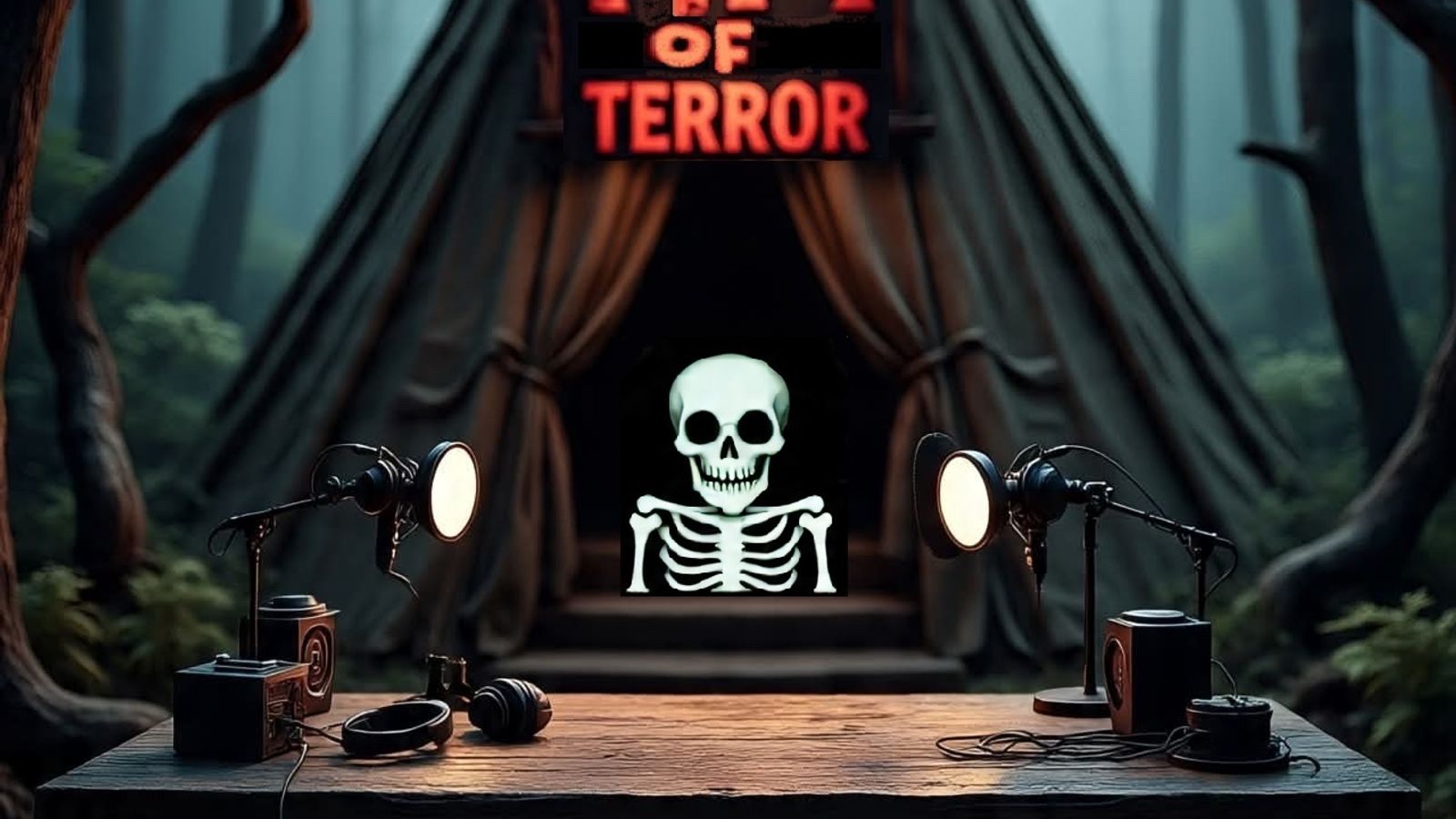
Tipi of Terror: Buffalo's Fire staff share spooky Native stories
The Halloween season inspires many people to share chilling tales of the supernatural, and Natives are no exception. Share your own spooky stories with us!



The world is full of sounds and shadows that defy easy explanation. For many, the line between reality and the supernatural is far thinner than the Western world often allows. This series explores that unique space, delving into the powerful, enduring traditions of Native American supernatural stories — tales that cross the past and the present.
Here at Buffalo's Fire, we've gathered our staff to share advice from their elders, the legends that haunted their childhoods and the spine-tingling moments they encountered the otherworldly. These aren't just spooky stories; they are cultural accounts that speak to deep historical truths and ongoing anxieties.
Prepare yourself. You might never look at a sudden whistle in the night or a dark, remote stretch of road the same way again. Watch our video and step deeper into the living traditions of Indigenous scary stories.
Share Your Own Story
Now it's your turn. We know every community and every family have tales that linger in the shadows. What legends, warnings or terrifying stories have been passed down to you? Have you ever heard a whistle you shouldn't have?
Share your spooky stories with us on social media using the hashtag #BuffalosFiresSpooky
We're waiting to hear them.
Sharing Is Caring
This article is not included in our Story Share & Care selection.
The content may only be reproduced with permission from the Indigenous Media Freedom Alliance. Please see our content sharing guidelines.
© Buffalo's Fire. All rights reserved.
We provide independent Native-focused reporting that gives our communities the context and the facts they need to make informed decisions.

Respect The Fire
At Buffalo's Fire, we value constructive dialogue that builds an informed Indian Country. To keep this space healthy, moderators will remove:
- Personal attacks, harassment, or hate speech
- Spam, misinformation, or unsolicited promotion
- Off-topic rants and excessive shouting (All Caps)
Let’s keep the fire burning with respect.