






Tribes, horsemen, deep into planning for Little Bighorn 150th anniversary
Northern Cheyenne Tribe leads recent planning meeting

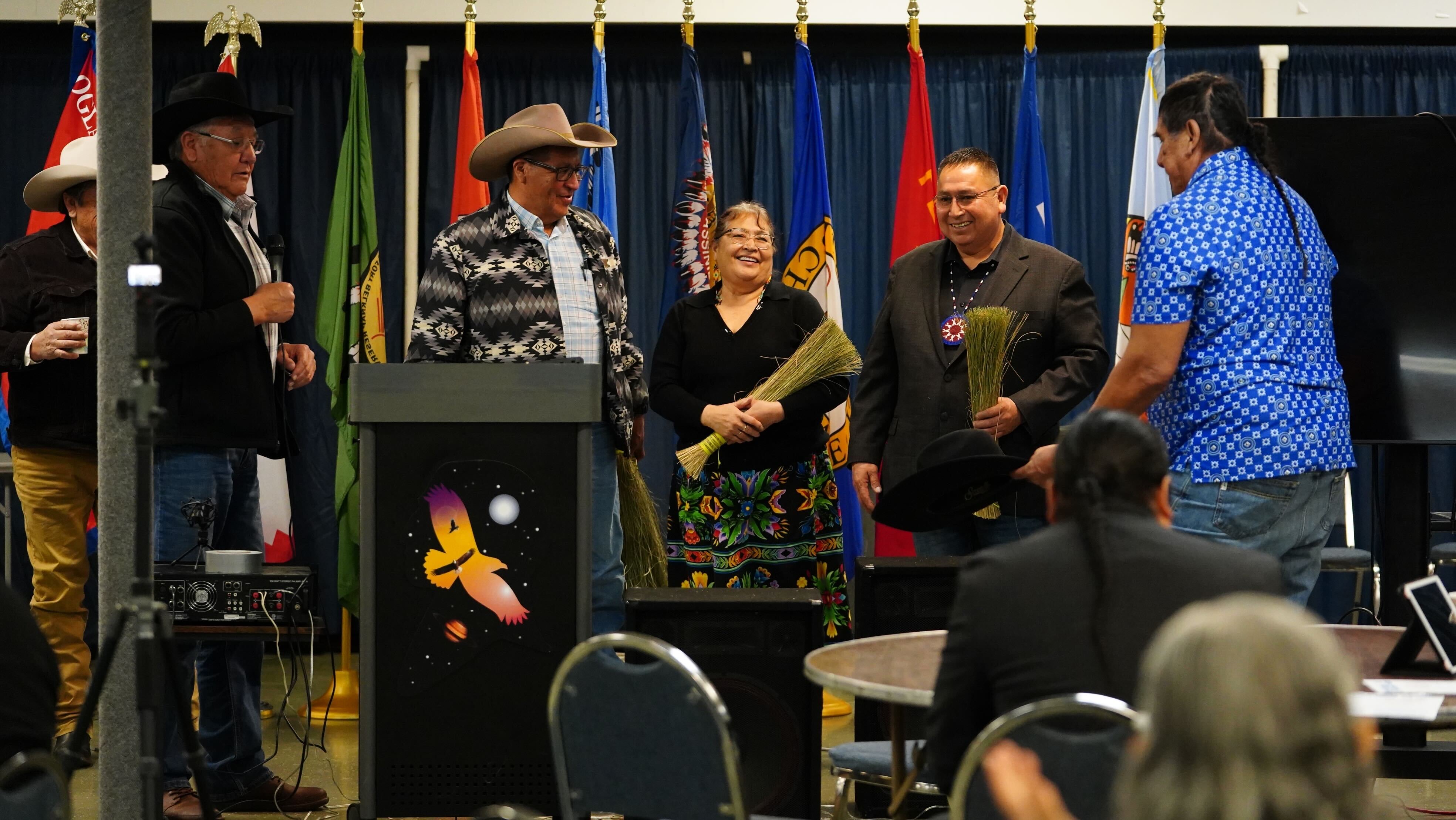
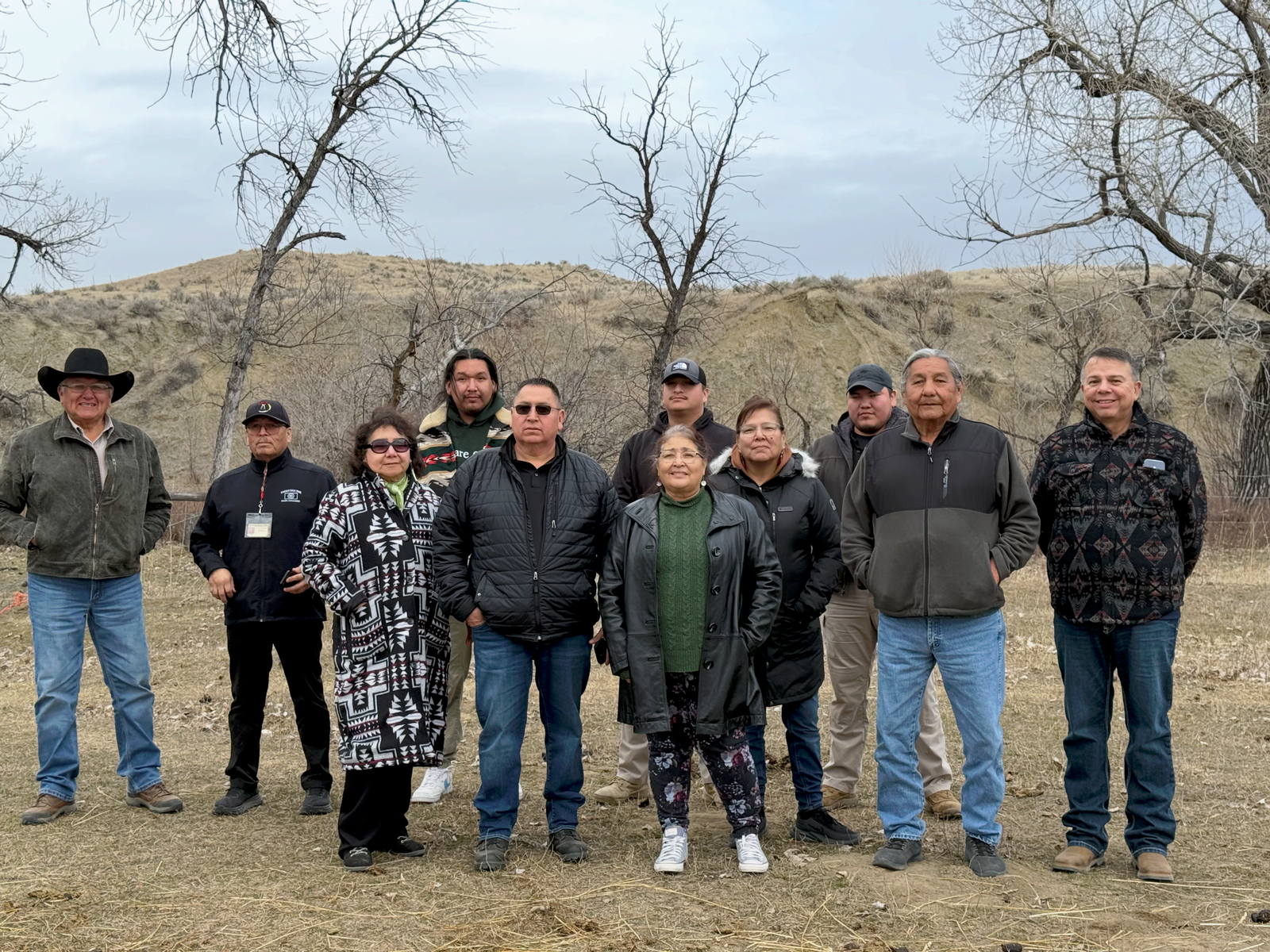
Native organizers of the 150th commemoration of the Battle of the Little Bighorn met in Billings, Montana, for two days last week, to continue planning for the historic celebration activities, which are set for June 25-27 and will take place at and near the battlefield site. The event is expected to draw thousands of people from across Indian Country.
Rosebud Sioux Tribe leaders told fellow organizers that since September, the tribe has been reserving items for the event, including 10 cords of wood, camping gear for potentially hundreds of campers, drinkable water, tipi canvases, poles and trailers to transport supplies. Hundreds of tribal citizens are expected to attend from the Rosebud Indian Reservation in central South Dakota.
The battle is considered the last major victory of the Indian Wars. In June 1876, the Lakota, Northern Cheyenne and Northern Arapaho, and allies, countered a deliberate attack in southeastern Montana from the U.S. Army's 7th Cavalry, led by Lt. Col. George Armstrong Custer.
The planning meeting was led by the Northern Cheyenne at the Eagle Seeker Community Center in Billings on March 4-5. Tribal representatives from the region attended the event, including the Standing Rock, Oglala, Northern Cheyenne, Northern Arapaho, and the Crow. Representatives from the National Park Service and the Real Bird family, of the Apsaalooke (Crow) Nation, also attended.
Frank Star Comes Out, Oglala Sioux Tribe president, has helped lead the initial planning meetings for the 150th commemoration. Each participating tribe is, so far, making plans to accommodate its people. The Great Plains Tribal Chairman’s Association is accepting donations and will provide support to the event as well.
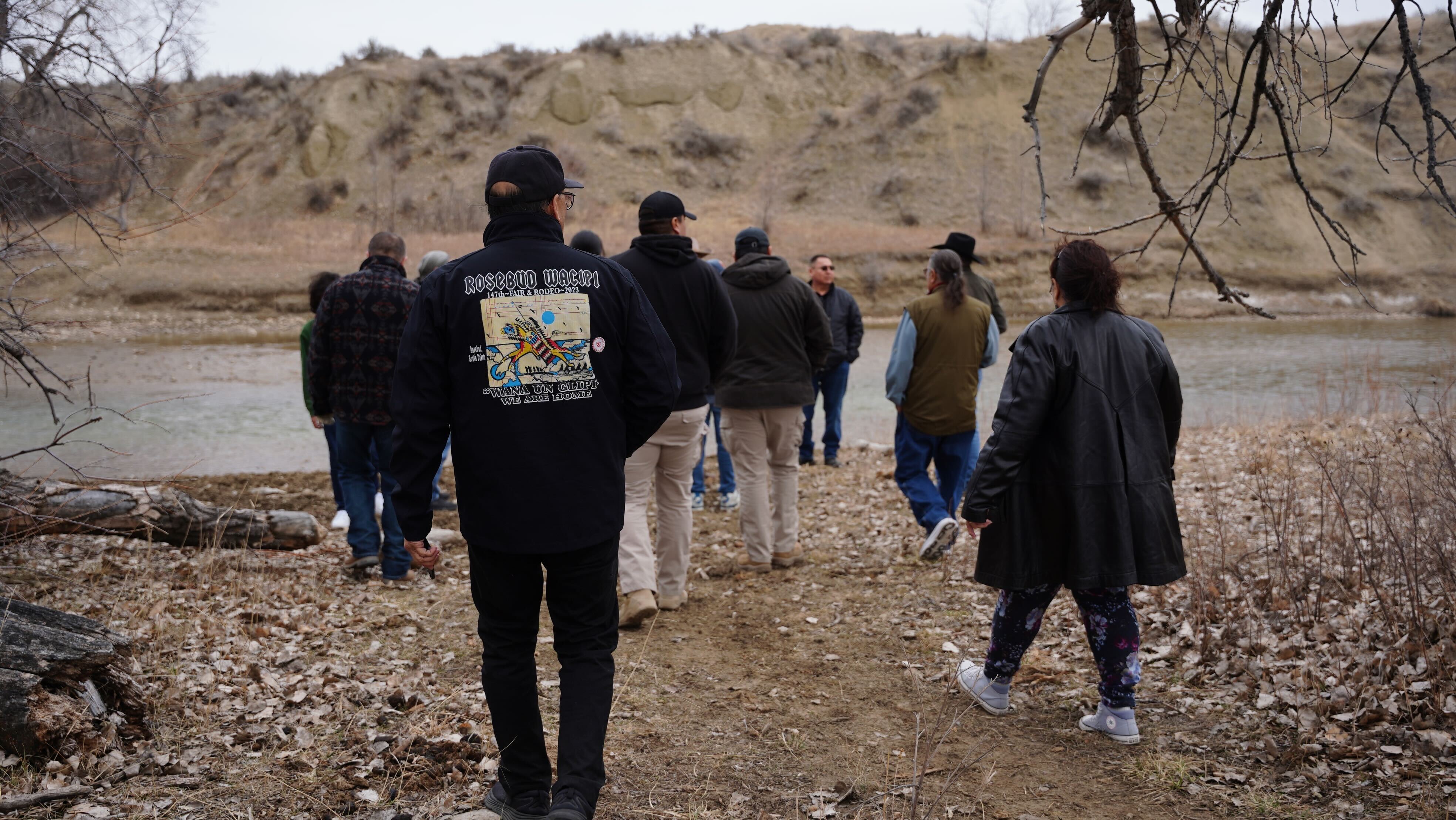
While numerous tribes are at different levels of planning, the Rosebud Sioux Tribe announced plans for a horse ride and motorcycle ride from South Dakota to the battlefield site near Crow Agency, Montana.
"We have raised over $5,000 in the last two weeks and plan to donate over 500 pounds of buffalo meat,” Rosebud Sioux Tribe Councilman Chris Eagle Bear told Buffalo’s Fire.
“We were leading with this idea of waking up a spirit, our spirit for each individual person. We want to build better relations with each other so we can bring something bigger to our people.”
The Rosebud Sioux Tribe is among more than a dozen tribes that plan to attend the event. The Oglala Nation organizers said they expect some 1,000 citizens to attend, and the Northern Cheyenne Tribe representatives said they estimated that 2,000 citizens will attend. The historic battle, also known as the Battle of the Greasy Grass, occurred June 25-26, 1876, and is one of the most written about confrontations between U.S. military forces and Indian tribes in history.
Organizers are focusing on unity, healing and celebration for the event’s theme.
“We were leading with this idea of waking up a spirit, our spirit for each individual person,” Eagle Bear said. “We want to build better relations with each other so we can bring something bigger to our people.”
Organizers are also planning an encampment similar to the 1876 camp, with approximately 5,000 people pitching tents, tipis and likely RVs. “We are hosting a gathering of all our nations,” said Eagle Bear, “where our people will camp at the place where our ancestors camped that led to the Battle of the Greasy Grass.”
The three-day celebration will include such activities as a film festival, hand games, language camps, ceremonies, horse races, foot races, archery, storytelling and wellness camps. Several tribes have already announced they are bringing caravans of tribal members. Early estimates suggest that about 1,000 horses will be on-site.
Chief Arvol Looking Horse, 19th Keeper of the White Buffalo Calf Pipe, will lead the Pezishla Woksuya Memorial Ride from the Cheyenne River Reservation in South Dakota to the battlefield, with dozens of horse riders expected to arrive June 24.
The event will include presentations by Native leadership and likely some federal officials. Organizers said Native participants should plan to camp on-site. The National Park Service is planning to hold presentations on two stages at the park site. In addition, stage presentations will take place on the Real Bird family’s re-enactment site, which is adjacent to the battlefield. They are also offering a nearby, separate 300-acre site for the Native encampment.
Buffalo’s Fire will be publishing additional stories on the Little Bighorn 150th commemoration.
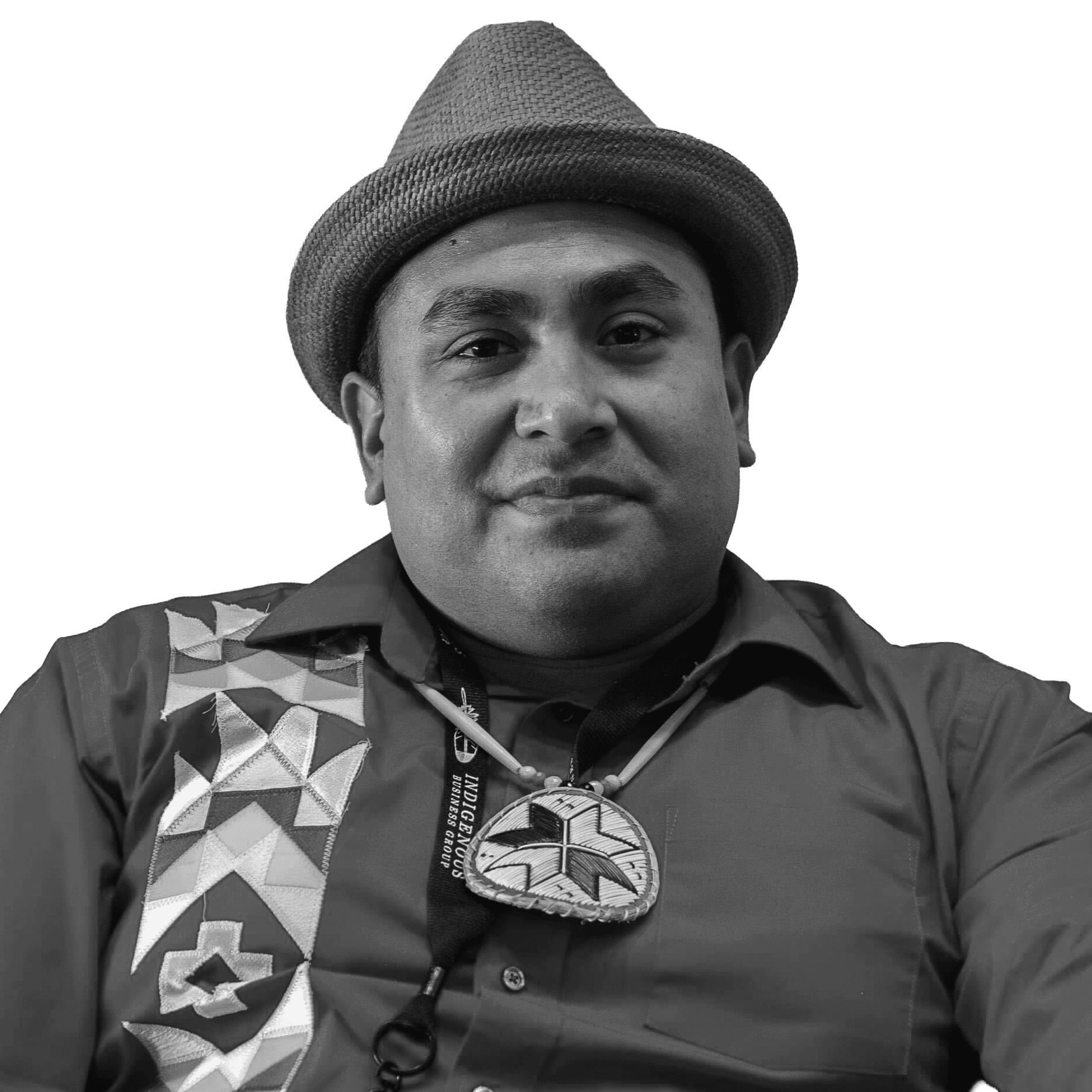
Darren Thompson
(Lac du Flambeau Ojibwe)Former Reporter
Sharing Is Caring
This article is not included in our Story Share & Care selection.
The content may only be reproduced with permission from the Indigenous Media Freedom Alliance. Please see our content sharing guidelines.
© Buffalo's Fire. All rights reserved.
We provide independent Native-focused reporting that gives our communities the context and the facts they need to make informed decisions.
Respect The Fire
At Buffalo's Fire, we value constructive dialogue that builds an informed Indian Country. To keep this space healthy, moderators will remove:
- Personal attacks, harassment, or hate speech
- Spam, misinformation, or unsolicited promotion
- Off-topic rants and excessive shouting (All Caps)
Let’s keep the fire burning with respect.