


Advocates help urban elders navigate healthcare system
A 2023 University of North Dakota survey shows that Native health services are under-resourced on and away from tribal territories

We continue our two-part series on the current well-being of Indigenous people.
In the second of this two-part series, Vincent Moniz speaks with the director of a non-profit working to support Native Americans in two cities with large American Indian populations.
According to the Indian Health Service, Alaska Natives and American Indians continue to experience lower health status compared to non-Natives.
And though many Natives who live away from tribal lands qualify for Medicaid and Medicare, knowing those programs exist is another barrier.
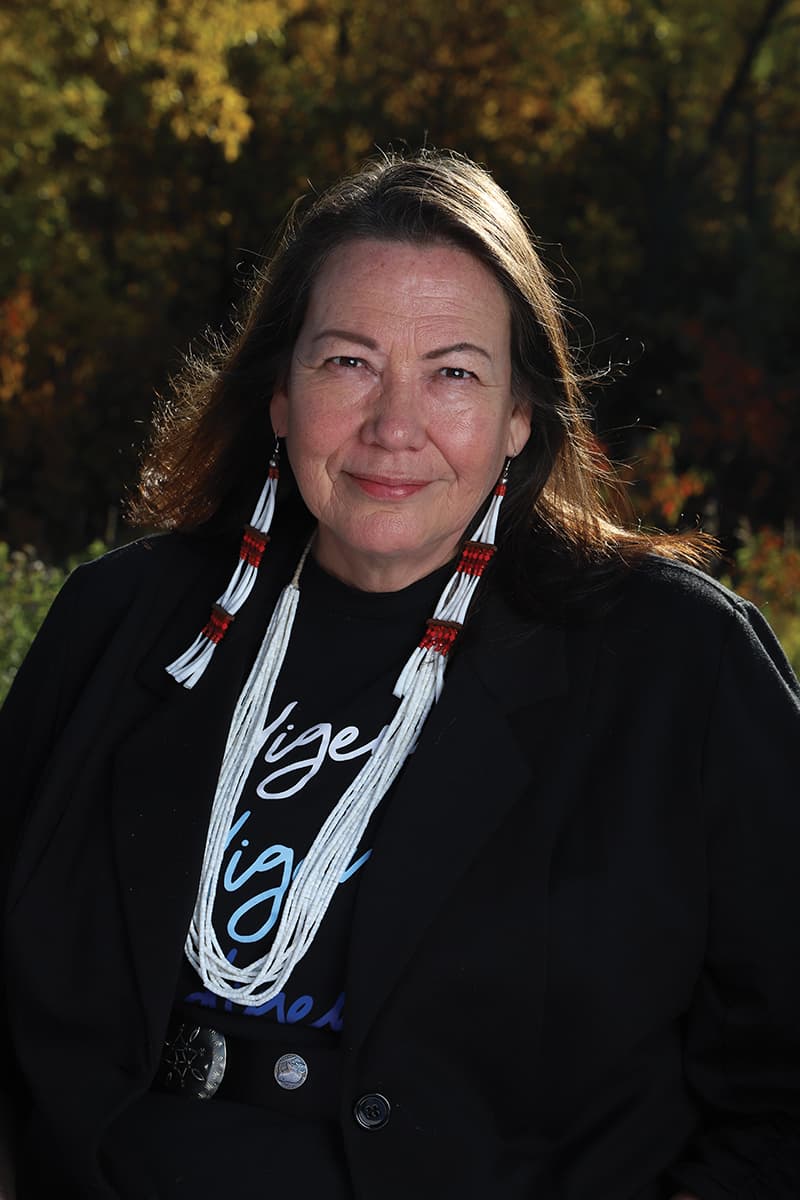
Standing Rock Sioux Tribe citizen Cheryl Kary is the executive director of the Sacred Pipe Resource Center located in North Dakota’s Bismarck- Mandan area.
In February of 2024 Kary talked about helping urban Natives understand the process of applying for health care.
According to the 2020 census, more than 36,000 American Indians are living in North Dakota, which is about 5 percent of the total population.
Though there are exceptions, most tribal citizens living away from their nation’s territories are not eligible for tribal health services and resources.
So once a Native person has been approved for Medicaid or Medicare, they may want to think about which health facility is right for them.
Kary says bigger is not always better — and once you’re insured, it’s important to consider the positives and negatives of smaller clinics.
The executive director says her organization is actively working to create, what she calls, a group healthcare model.
The model combines appointments with health professionals to help understand care plans and assist with questions patients may not know to ask.
In Bismarck, North Dakota, Vincent Moniz, Buffalo’s Fire.
Sharing Is Caring
This article is not included in our Story Share & Care selection.
The content may only be reproduced with permission from the Indigenous Media Freedom Alliance. Please see our content sharing guidelines.
© Buffalo's Fire. All rights reserved.
We provide the independent reporting that non-Native, extractive outlets often overlook. We give our communities the context and the facts they need to make informed decisions.
Respect The Fire
At Buffalo's Fire, we value constructive dialogue that builds an informed Indian Country. To keep this space healthy, moderators will remove:
- Personal attacks, harassment, or hate speech
- Spam, misinformation, or unsolicited promotion
- Off-topic rants and excessive shouting (All Caps)
Let’s keep the fire burning with respect.