






Buffalo’s Fire celebrates 10 years
Founded in 2016, the publication is the first 501(c)3 nonprofit newsroom in North Dakota

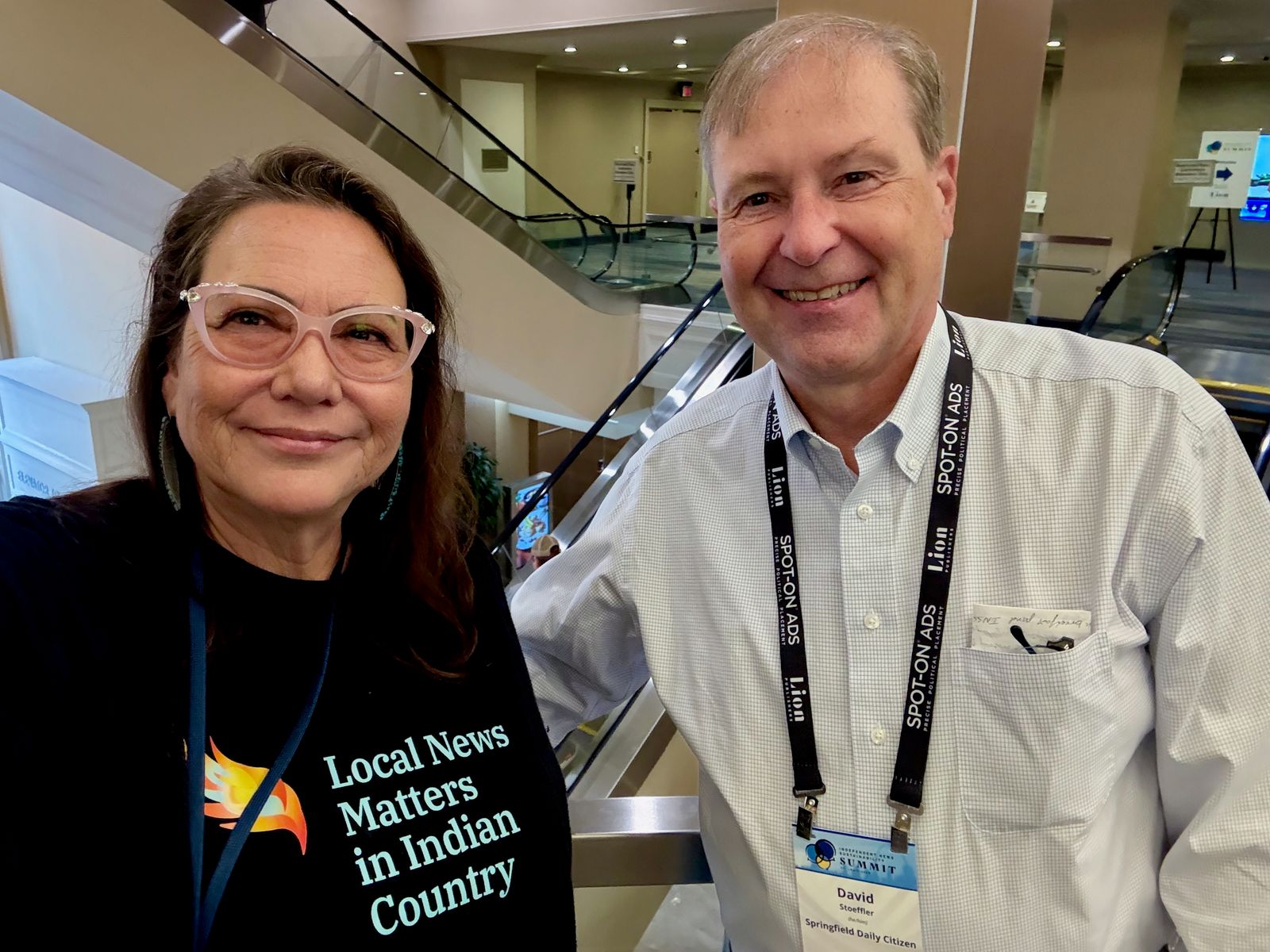
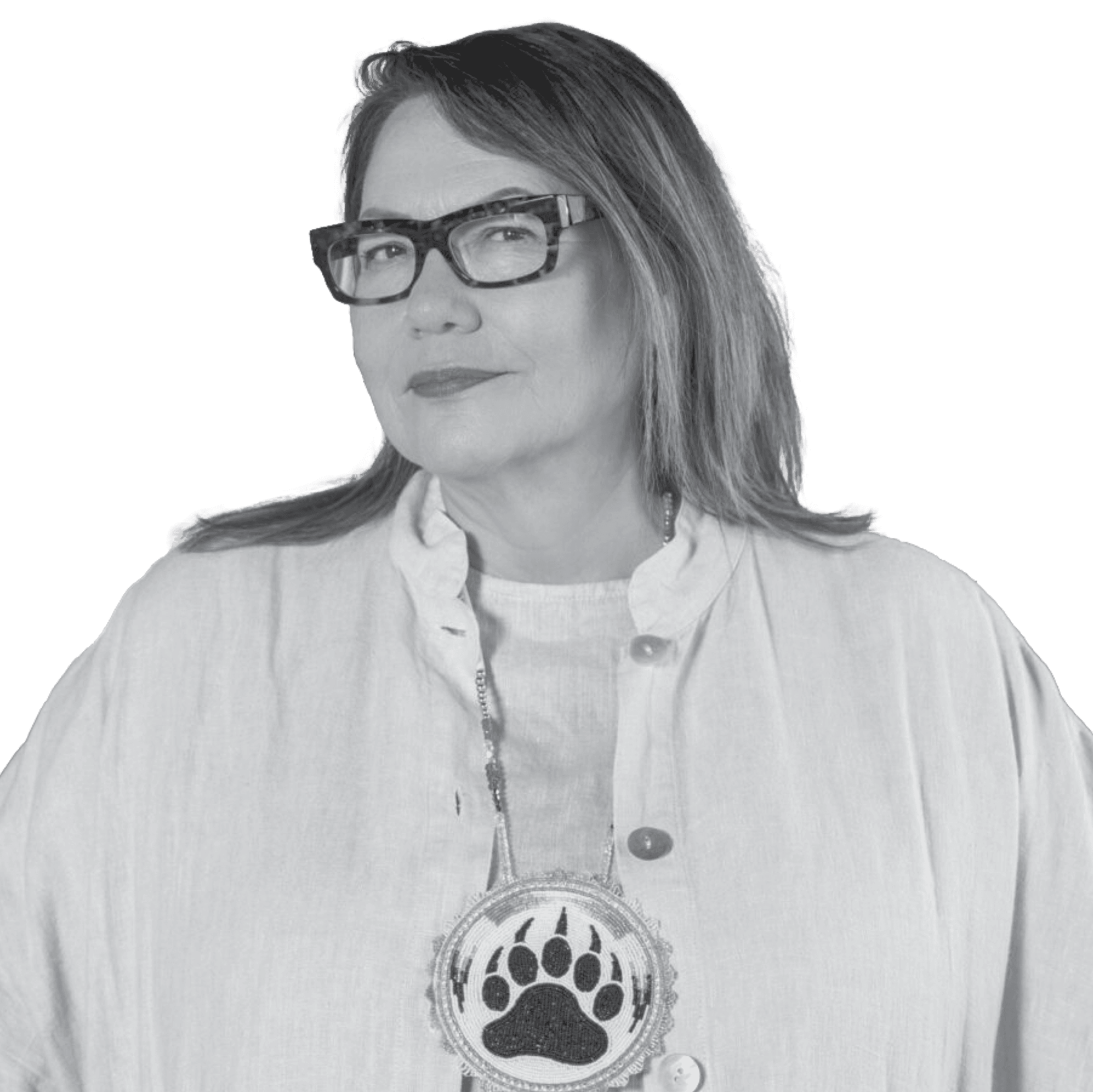
I have spent nearly my entire adult life dedicated to journalism, beginning in high school. Yes, that was many moons ago, but the inspiration behind the writing has not changed. I’ve written for tribe-owned press, military newspapers while serving in Army and Air National Guard units and mainstream dailies in Nebraska, Idaho, Utah and Montana.
I worked as a full-time journalist at daily newspapers for almost 15 years. The early years were rough because all I ever wanted to do was write about Native American issues. That was why I earned a journalism degree from the University of Colorado at Boulder and pursued a career as a reporter. But back then, newspapers didn’t have Native news beats, so I cut my teeth for several years as a business reporter.
Finally, in 1998, the Lincoln Journal Star hired me to report on Native issues, making my stories available to all the papers owned by Lee Enterprises. I’d prayed for that opportunity, and I felt blessed to have the Native news beat for more than a decade. That job was made possible by a supporting team there in Lincoln, Nebraska, including Joe Starita, David Stoeffler and Kathleen Rutledge. They changed my life at a time when I was questioning my role in the news industry.
Fast forward – that’s actually a writing transition I learned from Starita, the Lincoln Journal Star’s storied editor – to where I’m at today. I’m now the founder and executive director of the Native Media Freedom Alliance, the 501(c) (3) nonprofit media organization that publishes Buffalo’s Fire. We received IRS certification on June 29, 2016, making Buffalo’s Fire the first nonprofit newsroom in North Dakota.
While the organization is a decade old, our origin story began years earlier on the Fort Berthold Reservation. In those early years, it was mostly me trying to figure out how to start a newsroom on my home reservation, where there are no freedom of information laws. It was pretty difficult to hold tribal leaders accountable in the midst of the Bakken oil boom, but I was there to witness and report on tribal corruption.
We had some early reporting successes, including a 2020 Silver Telly Award for best online news feature and a first-place finish from the then-called Native American Journalists Association. But It was only after we relocated to Bismarck, North Dakota, in 2022 that I was able to start hiring full-time reporters and begin to operate as a newsroom. In that sense, much of the organizational work we're doing still feels new.
Our team has been busy, so busy that we actually overlooked our 10-year anniversary. That’s because we were hard at work in Montana reporting on the 150th commemoration of the Battle of the Little Bighorn. We dedicated months of news coverage to inform readers of this historic event so central to Native narratives of cultural survival.
It’s been more than 40 years since my first story was published in the Bismarck High School student newspaper – a column about how the United Tribes Technical College International Powwow kept the spirit and traditions of Native people alive. Nothing in my DNA has changed about the need to keep our stories alive, to keep our Native communities informed and to address accountability and transparency in tribal governments.
It wasn’t an easy start in journalism, and it’s not been an easy start establishing a Native-led independent nonprofit news organization. I’ve experienced my share of setbacks, but I’ve also celebrated many wins as a media entrepreneur. Of course, nothing happens alone. I’ve worked with a lot of people, and I’ve learned from every one of them, ranging from staff members and media organizations to philanthropic foundations and individual donors.
Since we started, our team has continued to evolve as an award-winning journalism operation. And I am constantly learning something new. I’m thankful to live and work in North Dakota, on the lands of my Mandan, Hidatsa and Arikara Nation ancestors. The nearby lands are also rich with stories of my Lakota relatives.
Native people have vast and myriad historical and contemporary perspectives. These are the stories that keep me going. These are the stories that need to be passed on to the next generation.
Waashiraharanito’shish – Thank you
Jodi Rave Spotted Bear
(Mandan, Hidatsa/ Mniconjou Lakota)Founder & Editor in Chief
Spoken Languages: English
Topic Expertise: Federal trust relationship with American Indians; Indigenous issues ranging from spirituality and environment to education and land rights
Sharing Is Caring
This article is not included in our Story Share & Care selection.
The content may only be reproduced with permission from the Indigenous Media Freedom Alliance. Please see our content sharing guidelines.
© Buffalo's Fire. All rights reserved.
We provide independent Native-focused reporting that gives our communities the context and the facts they need to make informed decisions.
Respect The Fire
At Buffalo's Fire, we value constructive dialogue that builds an informed Indian Country. To keep this space healthy, moderators will remove:
- Personal attacks, harassment, or hate speech
- Spam, misinformation, or unsolicited promotion
- Off-topic rants and excessive shouting (All Caps)
Let’s keep the fire burning with respect.