





Buffalo’s Fire team wins awards in national Native media contest
Judges tap stories on superfund site, ICE, tribal transparency and general excellence

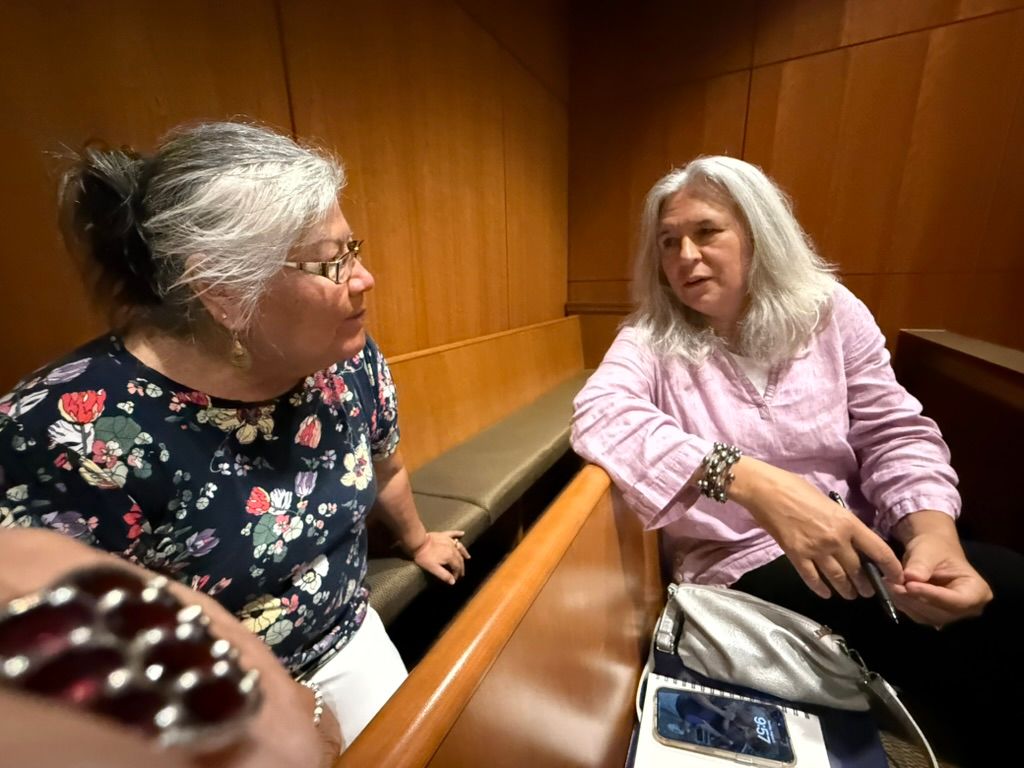
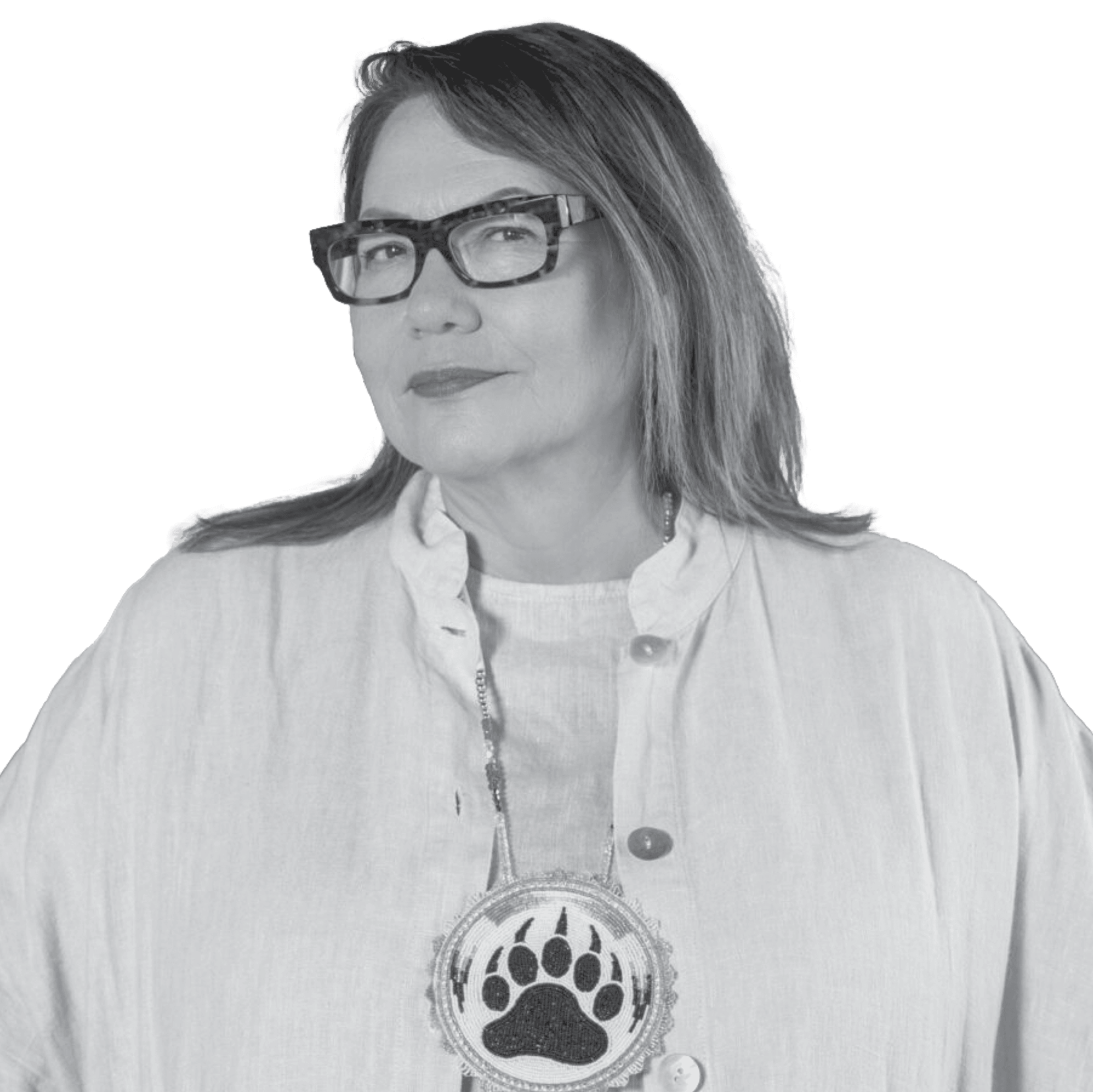
As editor-in-chief at Buffalo’s Fire, I work with a team that demands excellence in reporting and editing, as well as in the presentation of stories online. We’re an innovative and growing online news outlet based in Bismarck, North Dakota. While we’re diligently working this year — we just finished a vigorous reporting project at the Little Bighorn Battlefield — last year, we tackled some news stories no one else was covering.
Our 2025 Buffalo’s Fire newsroom achievements were recognized on July 9 with the announcement of the 2026 Indigenous Media Awards winners. I’m proud of our team members who won the following awards in the small division — yes, we’re small, with an average of nine team members, including full-time and part-time staff members as well as contractors.
Two of our associate division writers won awards in the print and/or online category for Best Coverage of Indigenous Communities. Gabrielle Nelson, environmental staff writer, won first place for her reporting on a superfund site on the Leech Lake Reservation. For the past 40 years, the Environmental Protection Agency has attempted to clean up the hazardous waste contamination affecting Pike Bay and Cass Lake, which are part of a chain of lakes that form the headwaters of the Mississippi.
The EPA designed a system to clean contaminated groundwater and prevent its spread. The system is failing as the groundwater pollution continues to migrate and jeopardize Ojibwe wild rice harvesting and downstream communities.
While Nelson reported on land and water, staff writer Erin Hoover Barnett focused on tribal government transparency. Barnett won third place in Best Coverage of Indigenous Communities for her story about how MHA citizens seek accountability in a lawsuit against their Tribal Business Council.
This story is especially relevant to the mission of the Native Media Freedom Alliance, the publisher of Buffalo’s Fire. In addition to reporting, we educate tribal leaders and Native communities about the importance of upholding civil liberties and ensuring freedom of information.
Barnett’s reporting gave voice to community members who want to be informed about the actions taken by elected tribal government leaders of the Mandan, Hidatsa and Arikara Nation. The administrative offices are located on the Fort Berthold Indian Reservation in North Dakota.
"This story was a window into the risks, tensions and complexity that tribes with oil proceeds face; how access to that kind of money tests leaders, and how the doctrine of sovereign immunity can potentially be weaponized against tribal members,” said Barnett. “The opportunity to lift up the fundamental concerns of individual tribal members in this instance was an honor and a privilege."
In the Print and/or Online General Excellence category, our news team was awarded third place. It’s a hard-earned recognition of our responsible, accurate and culturally relevant journalism while reporting on Native news in our backyard. Buffalo’s Fire was founded and is led by me, a citizen of the MHA Nation.
While we like to focus on North Dakota news, in the Print and/or Online Best Shortform/News Story category, Buffalo’s Fire won first place with staff writer Brian Bull’s ‘How do I have an ICE hold, when I’m Native American?’
The reporting addresses the plight of a tribal citizen of the Salt River Pima-Maricopa Indian Community in Arizona who was told she’d be turned over to ICE after serving jail time for a traffic violation in Iowa. We couldn’t ignore this story, which had national implications across Indian Country.
The Indigenous Media Awards are presented by the Indigenous Journalists Association. The plaques will be presented at the annual Native Media Conference in Portland, Oregon, later in July.
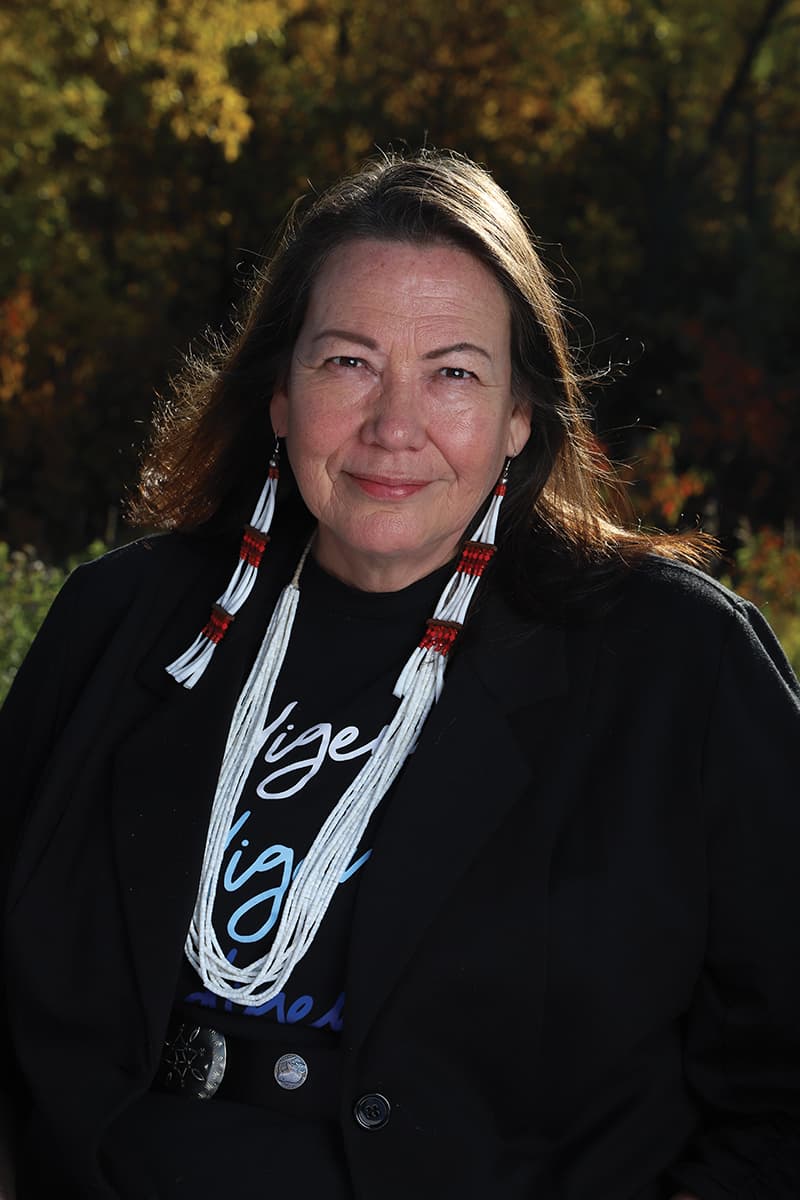
Jodi Rave Spotted Bear
(Mandan, Hidatsa/ Mniconjou Lakota)Founder & Editor in Chief
Spoken Languages: English
Topic Expertise: Federal trust relationship with American Indians; Indigenous issues ranging from spirituality and environment to education and land rights
Sharing Is Caring
This article is not included in our Story Share & Care selection.
The content may only be reproduced with permission from the Indigenous Media Freedom Alliance. Please see our content sharing guidelines.
© Buffalo's Fire. All rights reserved.
We provide independent Native-focused reporting that gives our communities the context and the facts they need to make informed decisions.
Respect The Fire
At Buffalo's Fire, we value constructive dialogue that builds an informed Indian Country. To keep this space healthy, moderators will remove:
- Personal attacks, harassment, or hate speech
- Spam, misinformation, or unsolicited promotion
- Off-topic rants and excessive shouting (All Caps)
Let’s keep the fire burning with respect.