The Battle of the Little Bighorn (Greasy Grass)
Feature

The Battle of the Little Bighorn (Greasy Grass)

The Battle of the Little Bighorn isn't just a 19th-century clash; it is a contemporary movement for sovereignty. As the 150th anniversary approaches, tribal nations are organizing historic horse rides and asserting their presence on the Montana plains. Read our coverage

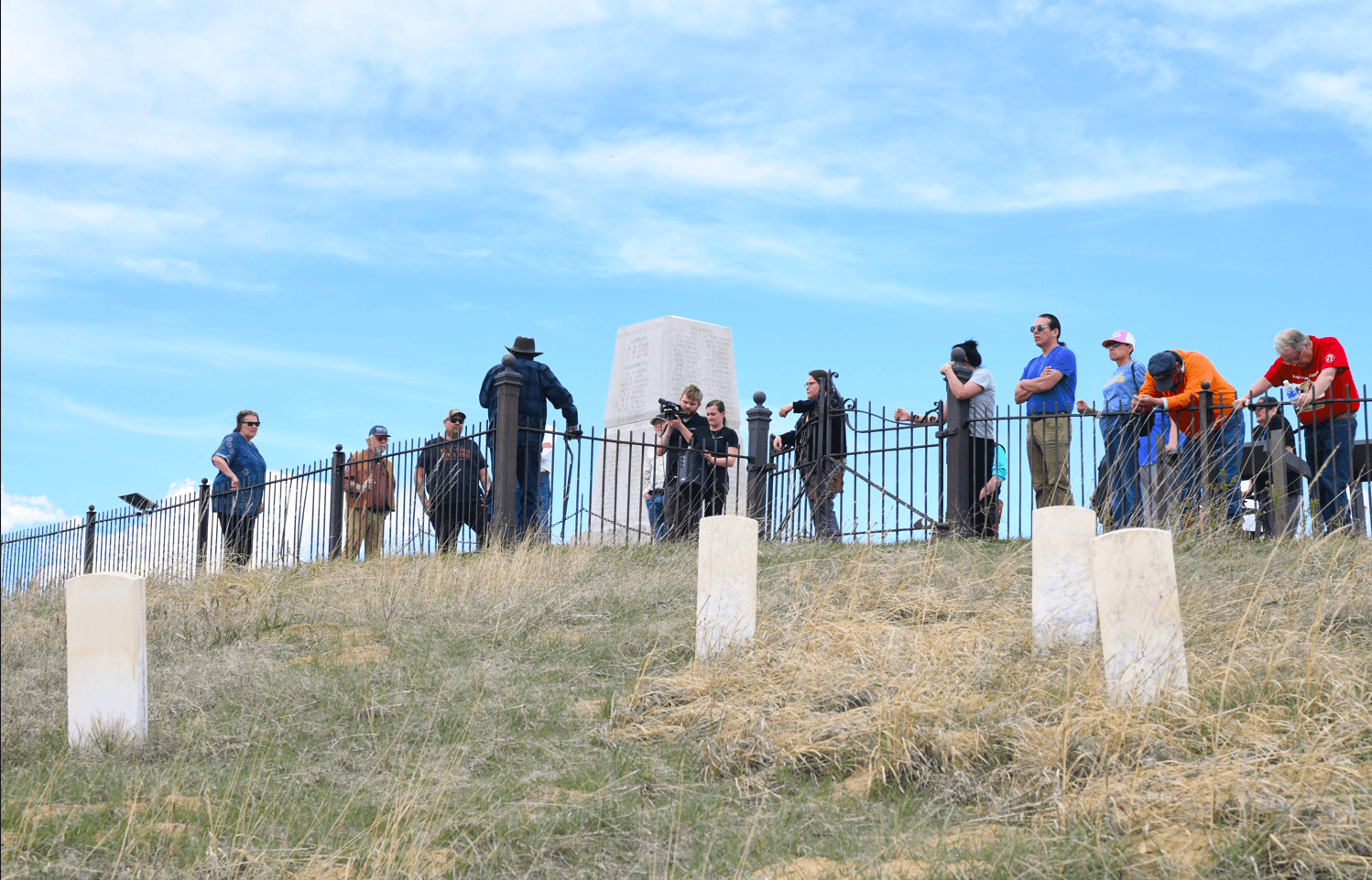
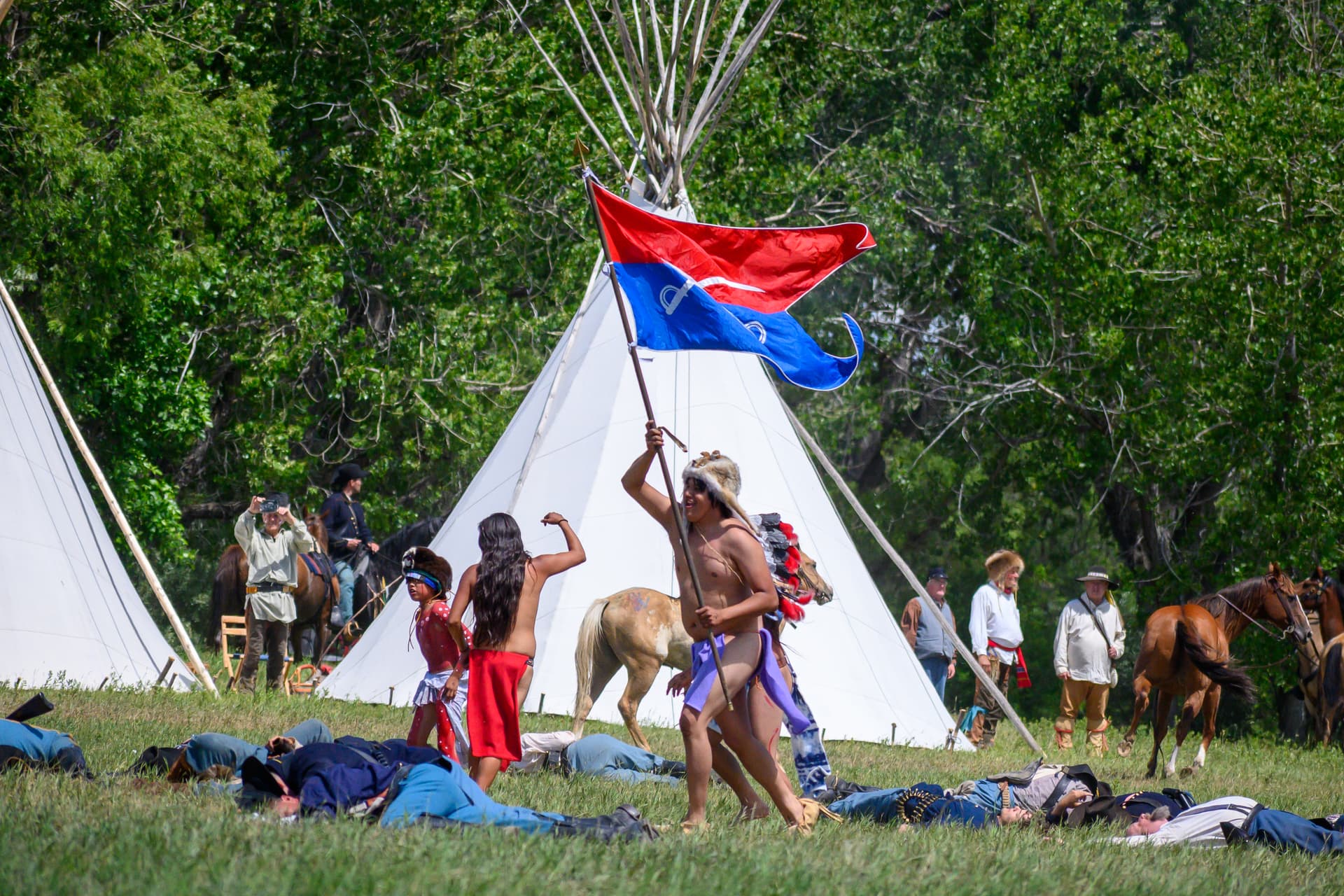
In the summer of 1876, the valley of the Little Bighorn River — known to the Lakota as the Greasy Grass — witnessed a collision of two worlds. While mainstream history often frames the defeat of the 7th Cavalry as a tragic "Last Stand," a different truth lives in the oral traditions of the Northern Plains. This was a defense of a way of life, a victory for the Circle of Campfire and the start of a century-long legal battle for the return of the sacred Paha Sapa (Black Hills).

As the 150th anniversary in June 2026 nears, descendants of the Lakota, Northern Cheyenne and Arapaho are doing more than memorializing a battle; they are asserting their sovereignty. From ceremonial horse rides spanning hundreds of miles to Supreme Court challenges, the story of the Greasy Grass remains unfinished. This series explores the deep history, modern political struggles and massive tribal mobilization preparing to rock the battlefield once again.

The stories below trace that legacy — from the smoke of the 19th century to the sovereign movements of the 21st.

Northern map
Southern map

A chronology of key events leading to the Battle of the Little Bighorn — or the Greasy Grass (Pezi Sla) — and the coercive aftermath that followed.

April 29, 1868

Fort Laramie Treaty signed

The United States signs the Treaty of Fort Laramie, guaranteeing the Lakota and their allies the Black Hills and vast surrounding homelands for their absolute and undisturbed use.
1874

Black Hills gold discovery deepens the crisis

Custer’s Black Hills expedition confirms gold on treaty land. Rather than keep settlers out, federal officials move to pressure Lakota leaders into selling land they consider sacred and not for sale.
January 31, 1876

Federal ultimatum passes

A U.S. deadline ordering Lakota and Cheyenne bands to report to reservation agencies expires in the middle of winter. Leaders who remain out are treated as hostile, escalating a conflict rooted in broken treaty obligations.
March 17, 1876

Army campaign opens at Powder River

The U.S. Army begins its 1876 campaign with an attack on a Cheyenne village at Powder River, part of a larger effort to force Native nations onto reservations.
June 1876

Allied village gathers at the Greasy Grass

Lakota, Northern Cheyenne, Arapaho, and others gather in one of the largest Native encampments on the Northern Plains, organized by tribal circles, leadership, and warrior societies rather than as a disorderly refugee camp.
June 1876

Sun Dance and Sitting Bull’s vision

At the Sun Dance near Rosebud Creek, Sitting Bull undergoes ceremony and has a vision interpreted as foretelling the defeat of soldiers who would attack the village.
June 17, 1876

Rosebud becomes a Native victory

Lakota and Cheyenne warriors fight George Crook’s column at the Rosebud and force it to withdraw, removing one of the Army forces intended to converge on the allied village.
June 24, 1876

Warriors prepare to defend the village

On the eve of battle, young Lakota and Cheyenne men are remembered in Native accounts as taking vows to protect the camp, where families, children, and community life remain centered.
June 25, 1876 (Dawn/Morning)

Crow and Arikara scouts warn of the village’s size

Scouts with the 7th Cavalry report that the encampment is far larger than expected. Their warnings underscore that the Army is moving against a massive, organized Native presence.
June 25, 1876 (Afternoon)

Reno attacks the south end of the village

Major Marcus Reno advances on the southern end of the encampment as many residents are not on a war footing. Hunkpapa and other warriors respond rapidly to defend families and the village.
June 25, 1876 (Afternoon)

Lakota and Cheyenne warriors counterattack

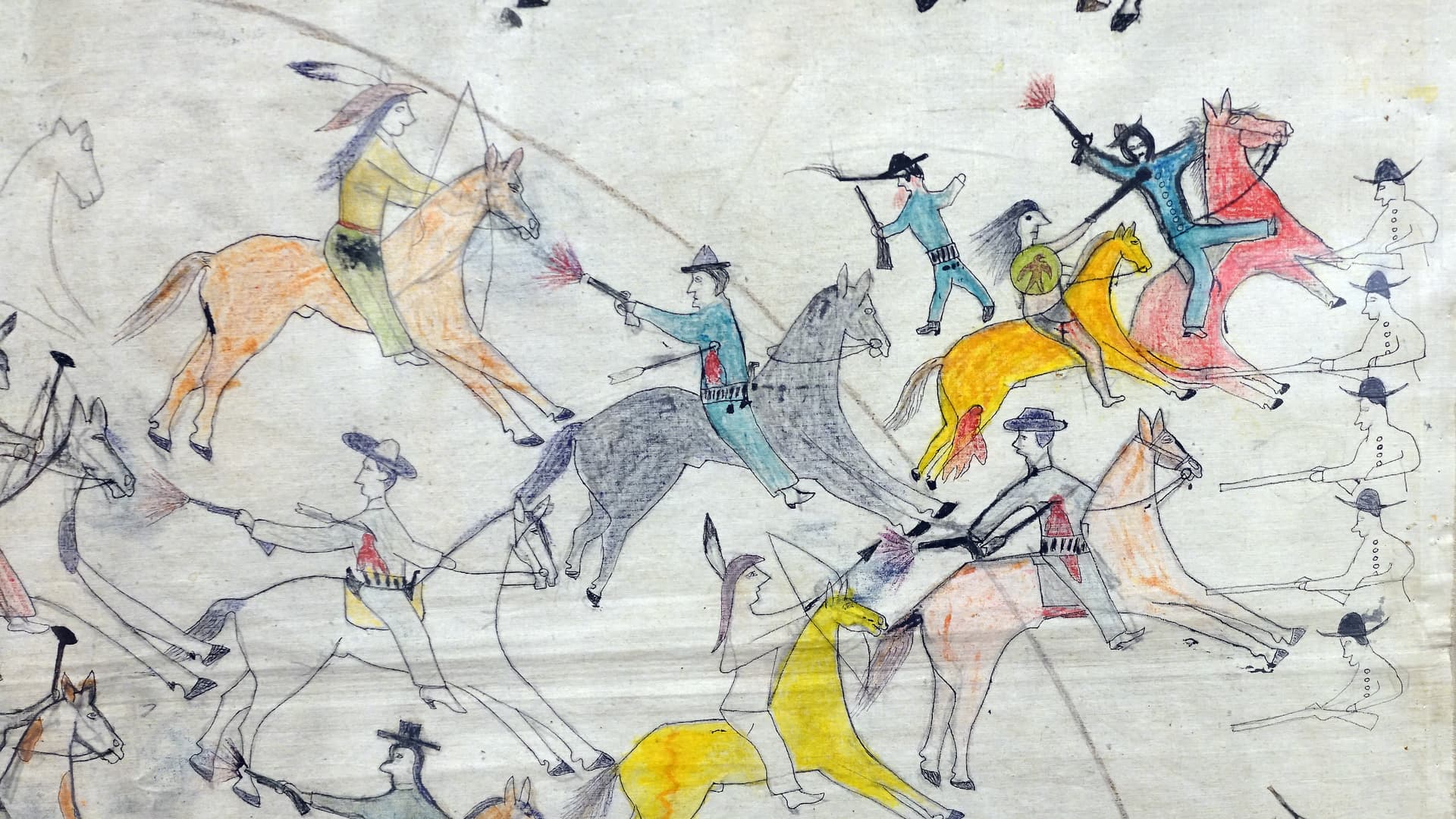
Warriors use terrain, speed, and flanking movement to overwhelm Reno’s attack. His battalion collapses into a chaotic retreat across the river and up to the bluffs.
June 25, 1876 (Late Afternoon)

Custer moves north toward the crossings

As Reno’s assault fails, Custer moves along the bluffs looking for a crossing near the northern end of the village, where Cheyenne and Lakota defenders mobilize to stop him.
June 25, 1876 (Late Afternoon)

Custer's battalion is destroyed

In fighting that Native witnesses later described as fast-moving and chaotic, Lakota, Cheyenne, and Arapaho warriors destroy Custer’s immediate command on the ridges above the river.
June 25–26, 1876

Women and families remain part of the battle story

Women help protect children, rally fighters, catch horses, and move through the battlefield after the fighting. Their role is central to Native accounts but often minimized in conventional U.S. timelines.
June 25–26, 1876

Reno and Benteen hold the bluffs

Survivors from the 7th Cavalry remain pinned down on the heights above the river while the allied village decides when to move on.
June 26, 1876

Allied village breaks camp and withdraws

After the victory, Lakota, Cheyenne, and Arapaho families leave the area as additional Army forces approach, preserving the community rather than waiting for a larger U.S. response.
June 27, 1876

U.S. relief column reaches the battlefield

Terry and Gibbon arrive after the fighting, find the dead from Custer’s command, and reach the besieged survivors on the bluffs.
August 1876

Congress turns defeat into coercion

After the battle, federal officials cut off rations to pressure the Lakota into surrendering the Black Hills and other lands, transforming a Native victory on the field into a new phase of coercion.
1877

Black Hills seized

Under starvation pressure and without valid treaty consent, the United States takes the Black Hills, making the battle’s aftermath inseparable from the long struggle over land, sovereignty, and memory.

Our coverage

To understand what happened on the Greasy Grass, one must look at the 1868 Treaty of Fort Laramie and the subsequent illegal gold rush in the Black Hills. This deep dive explores the tactical brilliance of the tribal coalition and explains why the Sioux Nation continues to refuse a billion-dollar settlement, holding out for the return of their sacred land. Read the explainer on the history and legal legacy of the battle

The path to the Greasy Grass was paved with earlier conflicts that tested the resolve of the Plains tribes. On the 150th anniversary of the Battle of Powder River, we reflect on how these winter engagements shaped the strategic alliance that would eventually face Custer’s 7th Cavalry. Read the reflection on the Powder River 150th anniversary

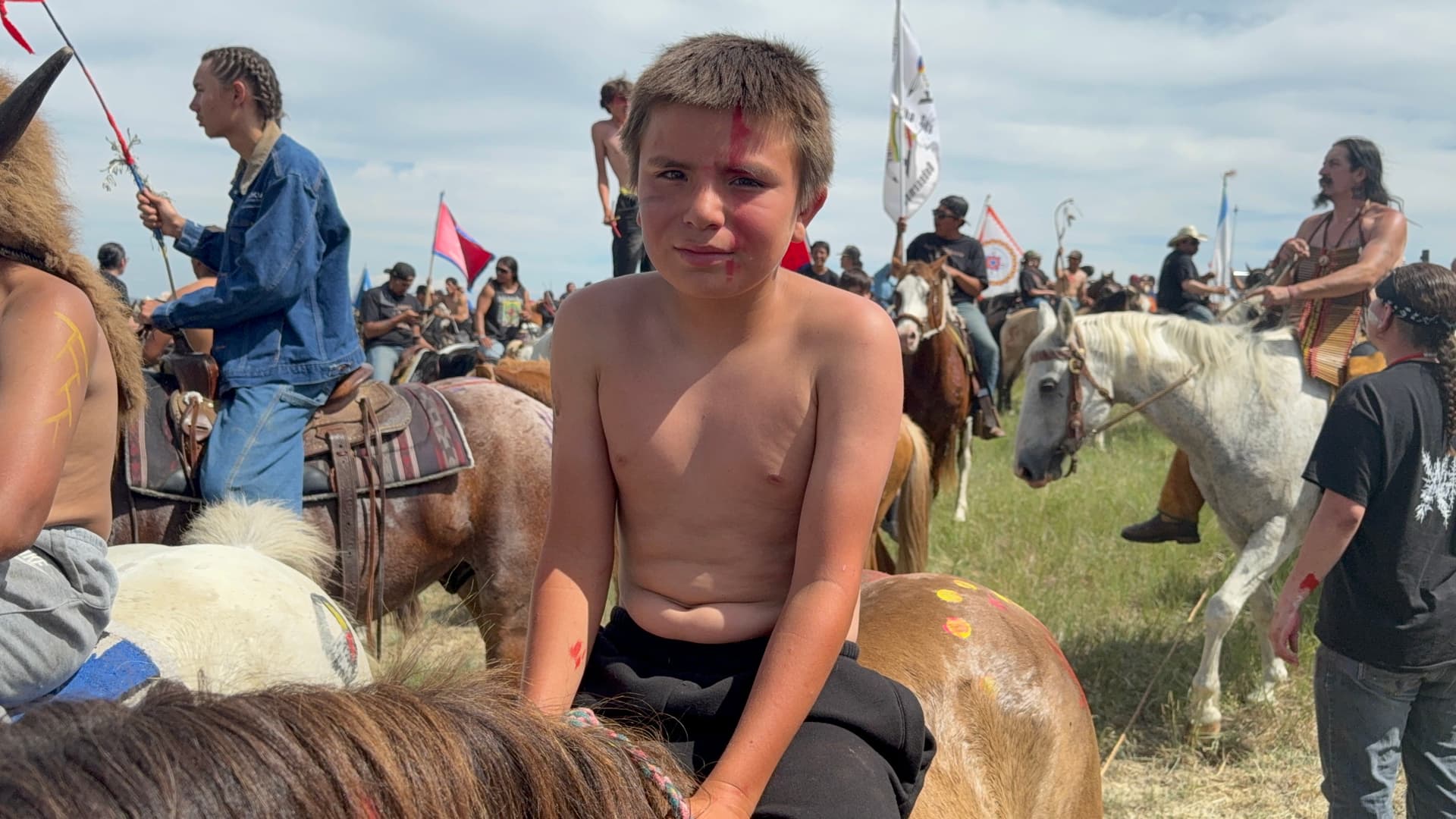
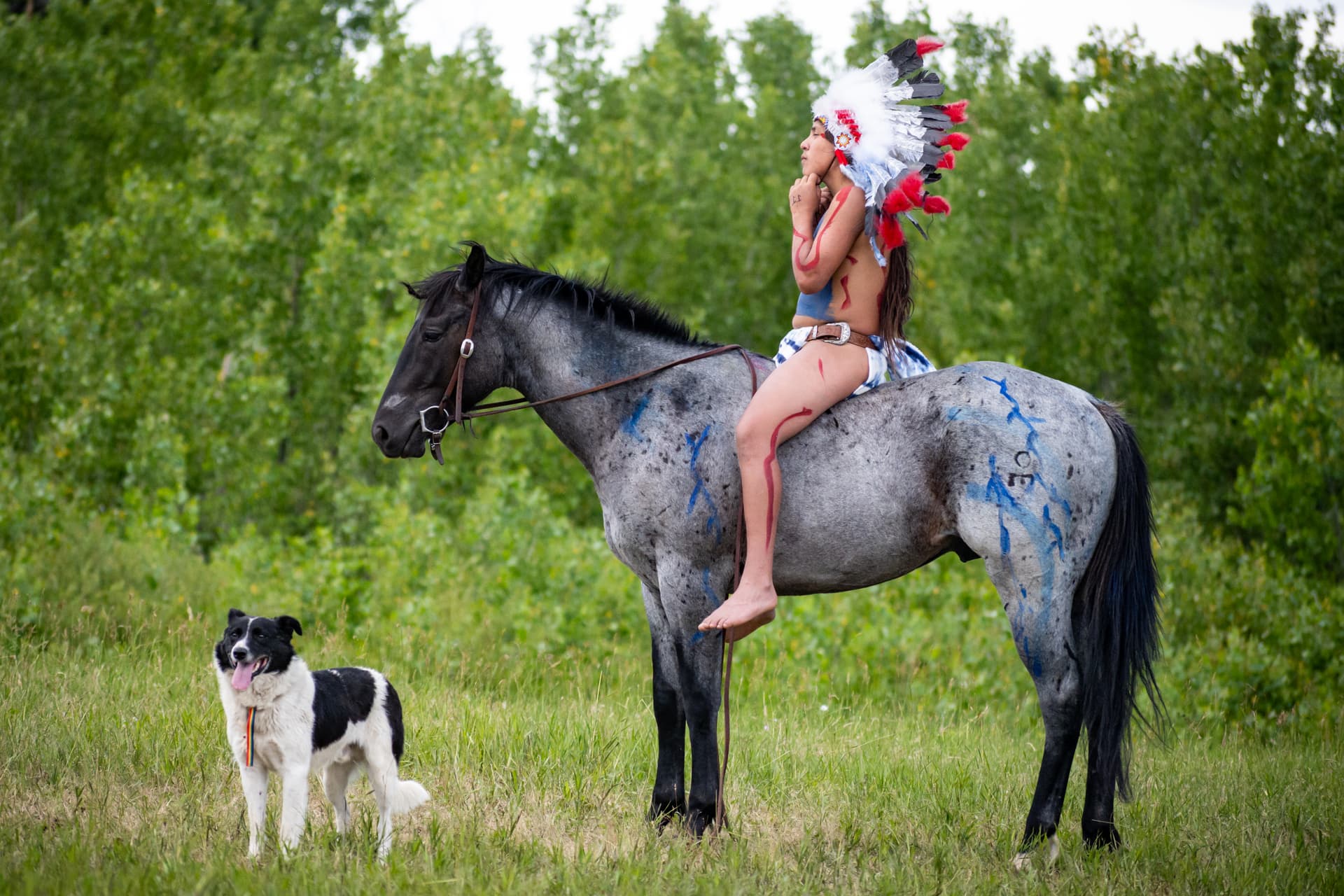
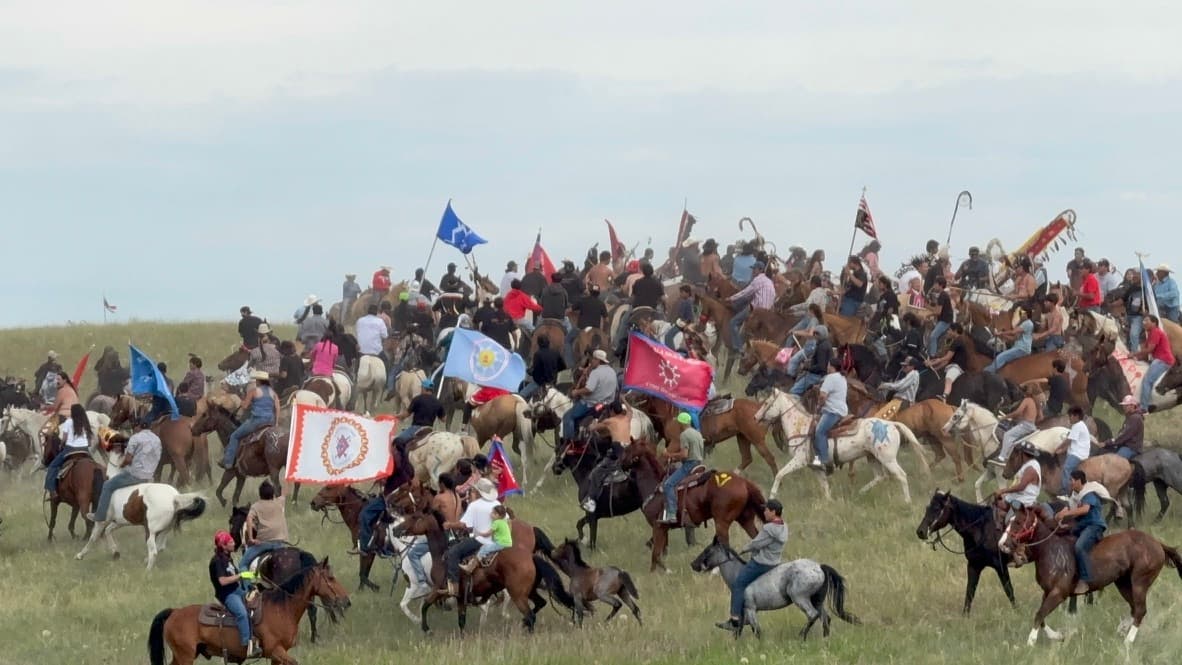
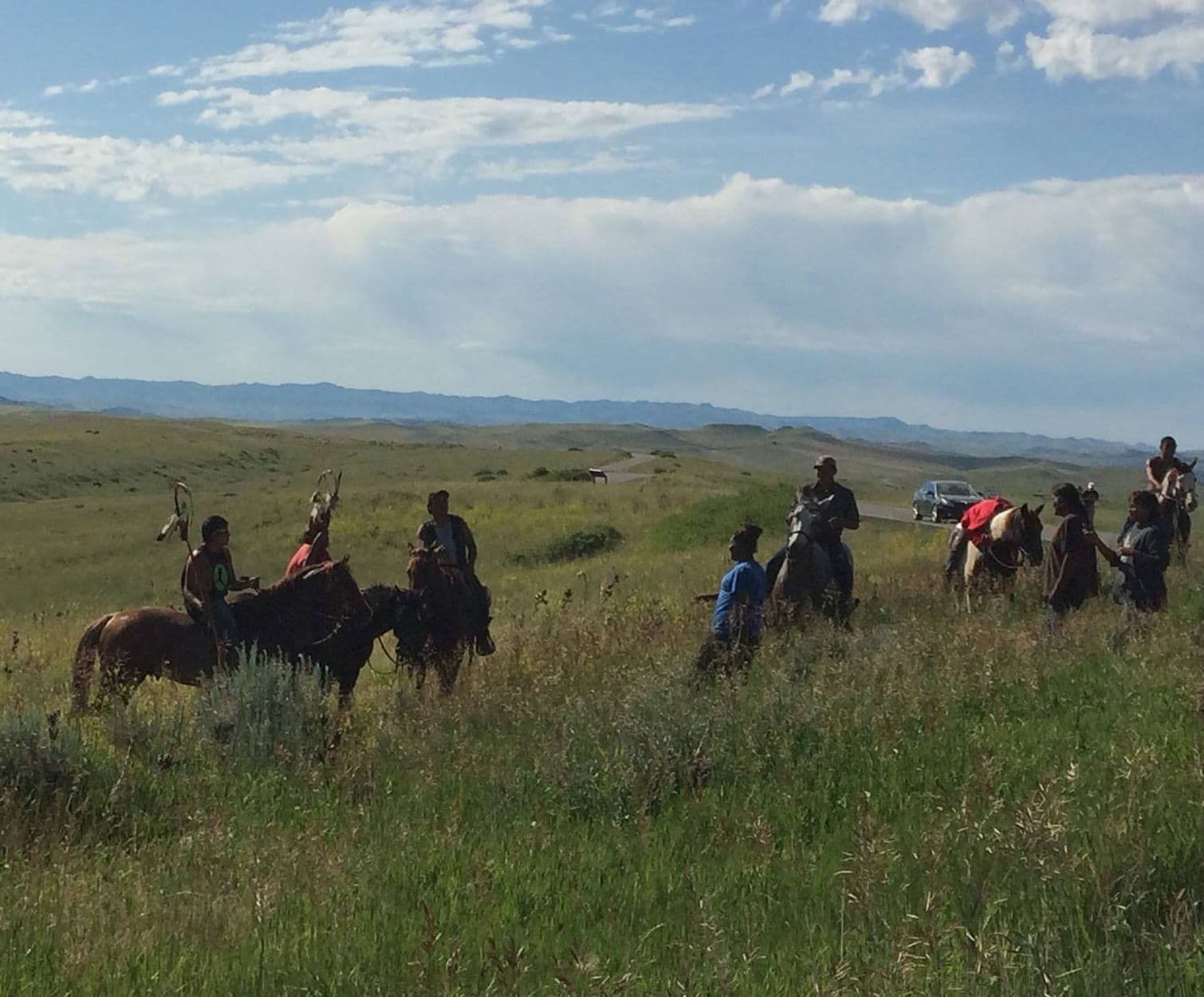
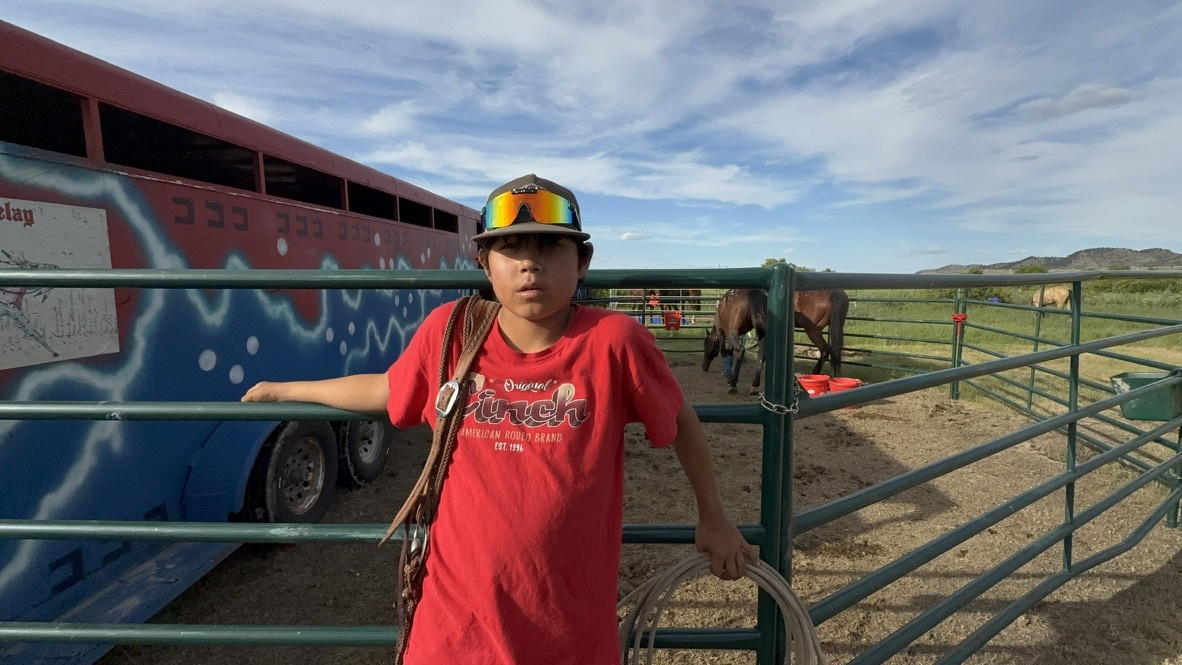
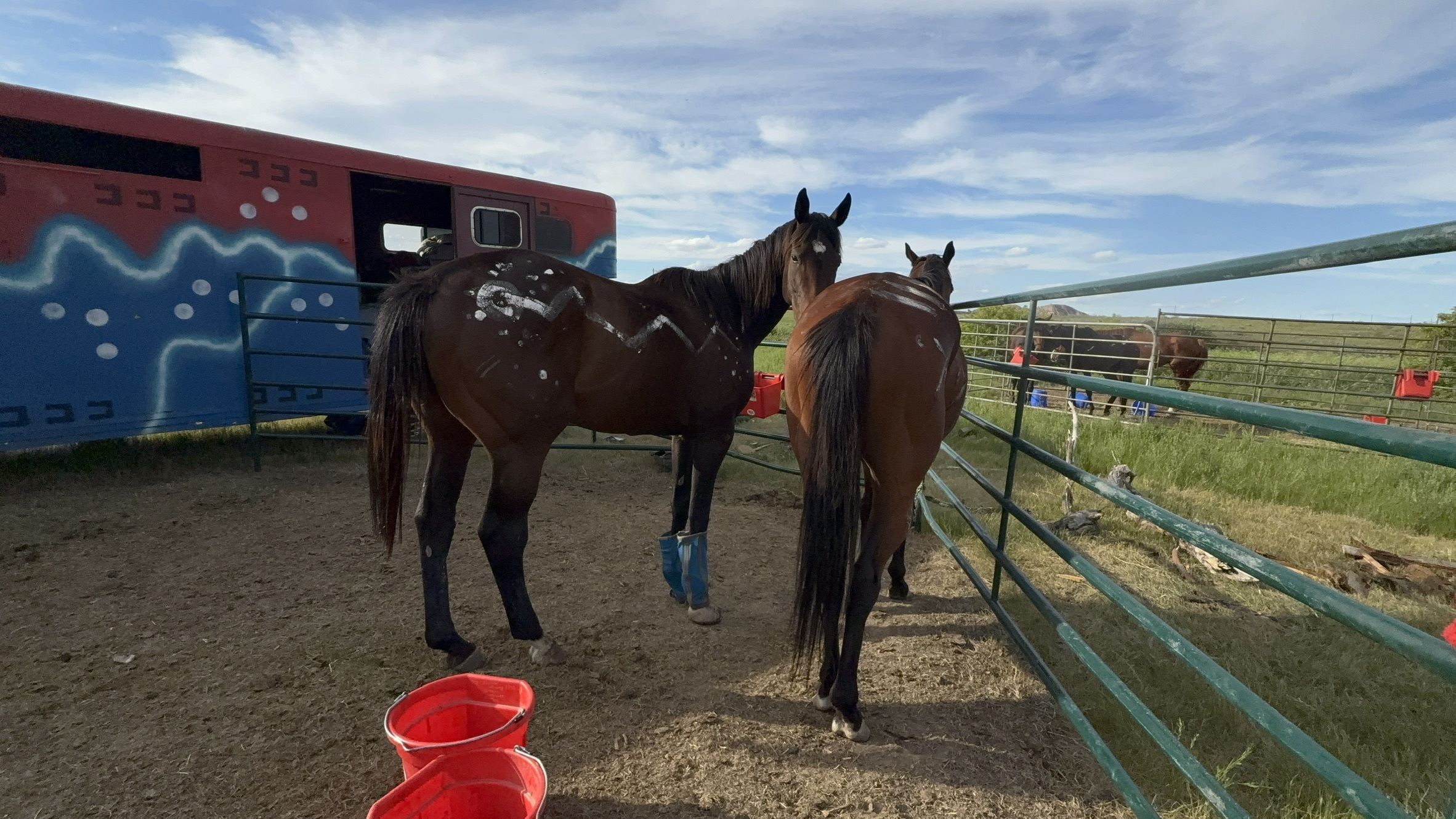
The rhythmic beat of hooves will mark the anniversary as hundreds of riders embark on memorial journeys across the plains. We go behind the scenes with tribal leaders and horsemen who are coordinating the massive 300-mile ride that will converge at the battlefield in June 2026. Learn more about the memorial rides and preparations

As the 150th anniversary draws national attention, political narratives are clashing. Native officials are speaking out against modern political rhetoric that attempts to revise the history of the Little Bighorn battle, asserting that the Indigenous perspective must remain central to the commemoration. Read the report on the fight against historical revisionism

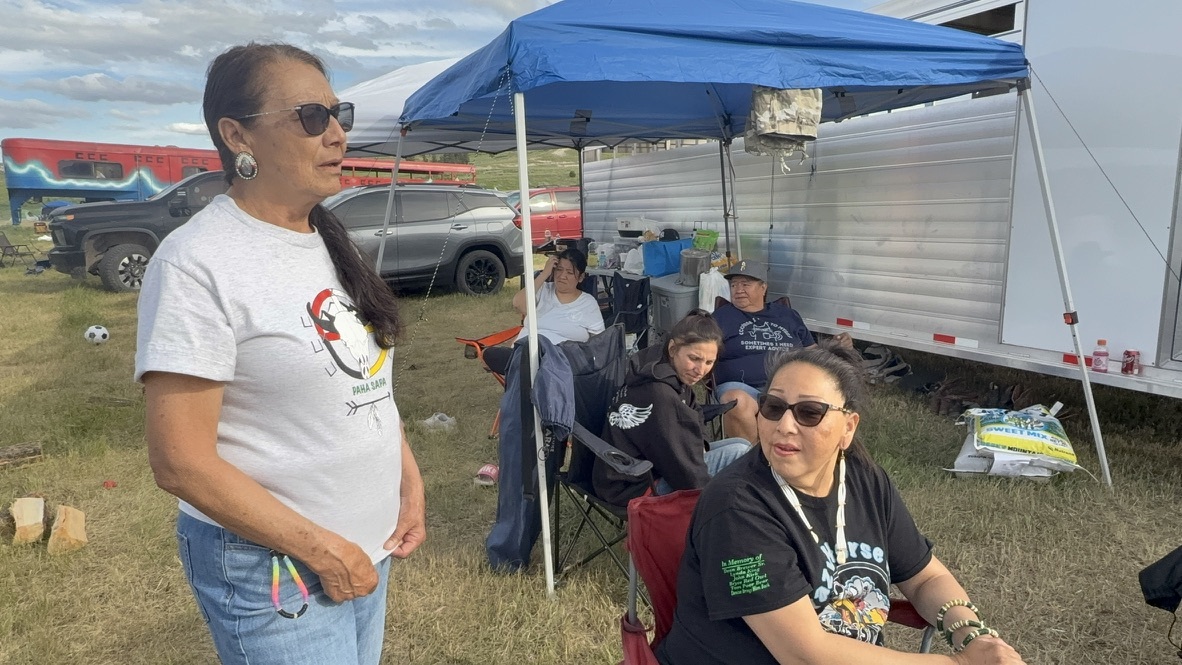
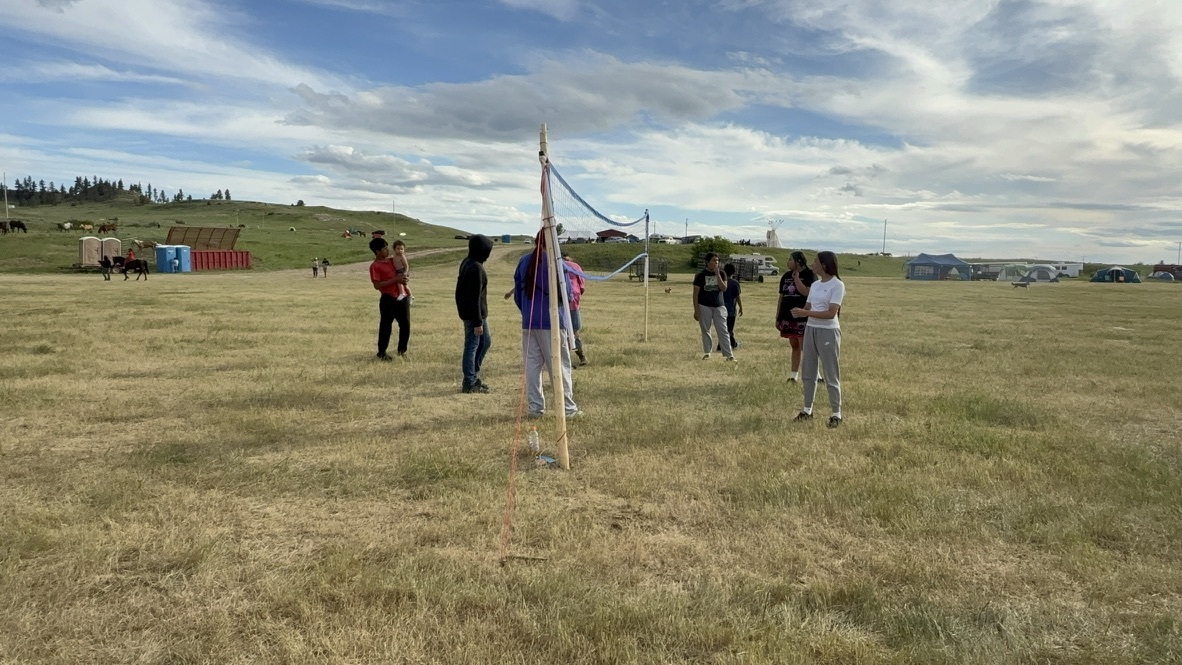
The 2026 event is being designed as a "movement of people," not just a memorial service. Organizers discuss the vision for a 300-acre encampment and the goal of "rocking" the battlefield with a vibrant assertion of continued tribal presence and victory. The plans for the 150th anniversary commemoration events

Planning for a gathering of thousands requires precise logistics, from horse feed to security. Tribal organizers are inviting the community to help shape the 150th commemoration by providing input on genealogy, youth engagement and camp needs. The official Greasy Grass 150th planning survey

Respect The Fire

At Buffalo's Fire, we value constructive dialogue that builds an informed Indian Country. To keep this space healthy, moderators will remove:

  • Personal attacks, harassment, or hate speech
  • Spam, misinformation, or unsolicited promotion
  • Off-topic rants and excessive shouting (All Caps)

Let’s keep the fire burning with respect.