






UTTC professor reflects on the Battle of Powder River on its 150th anniversary
The first battle of the Great Sioux War ‘set the tone’ for the following 20 conflicts, including the Battle of the Little Bighorn

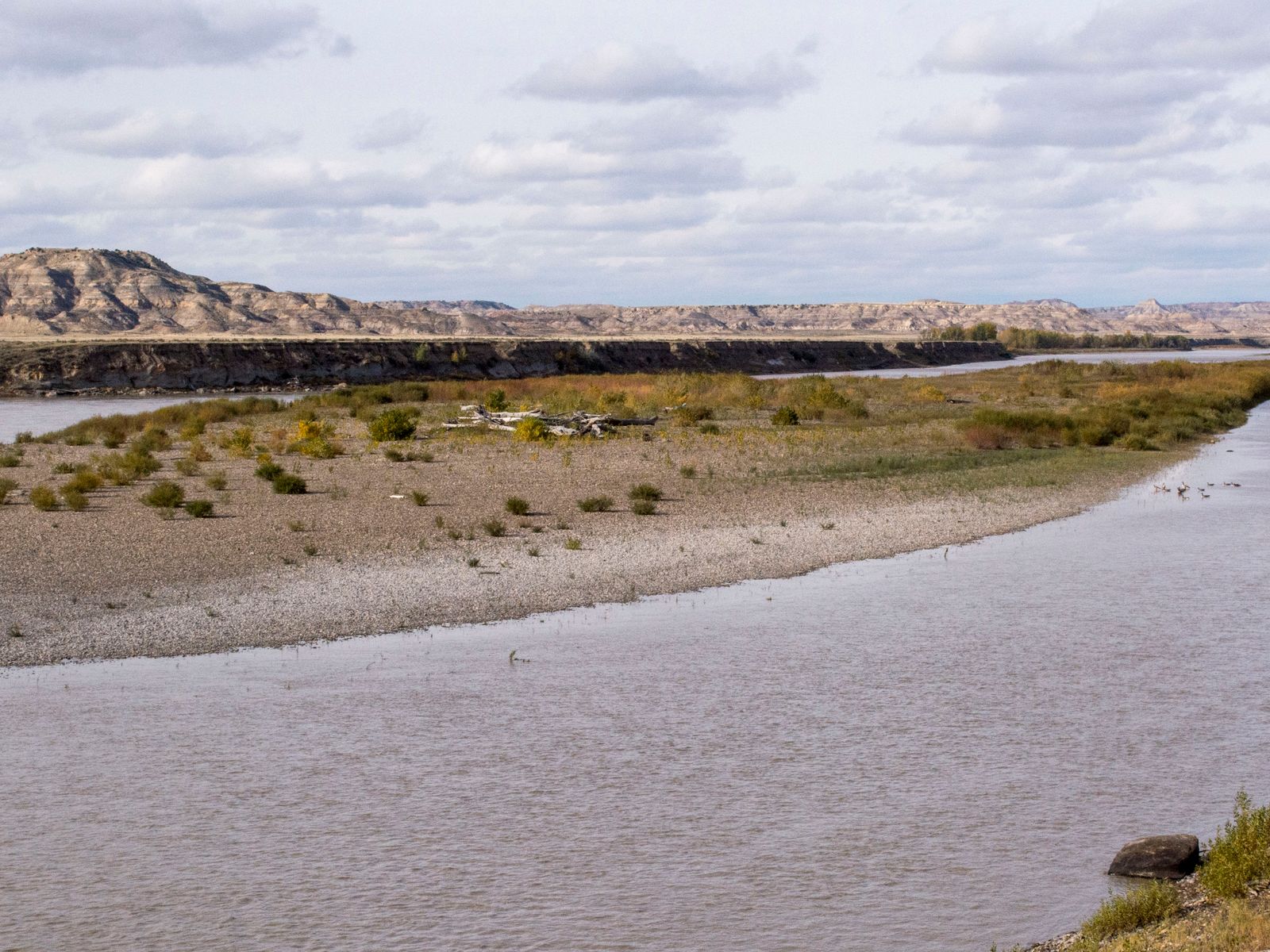

In June, more than a dozen tribes will gather for the 150th commemoration of the Battle of the Little Bighorn to celebrate the victory for the Lakota, Northern Cheyenne and Northern Arapaho. It was the last battle of the Great Sioux War, which started three months prior in southeast Montana at the Battle of Powder River. Military historians often overlook the war’s first battle, even though the Powder River camp was instrumental in informing Crazy Horse, a pivotal Oglala Lakota leader, of the oncoming conflict.
On the morning of March 17, 1876, a village of Northern Cheyenne and a few Oglala Lakota in the Powder River Valley woke to an attack by cavalry troops led by Col. Joseph Reynolds under the order of Gen. George Crook. It was a direct offensive by the U.S. Army against tribes in the Northern Plains, and it “set the tone” for the following 20 conflicts of the Great Sioux War, said Dakota Good House, citizen of the Standing Rock Sioux Tribe and history professor at United Tribes Technical College.
“This campaign led by Reynolds, it was entirely to treat every person as if they’re an able-bodied warrior,” he told Buffalo’s Fire. “That meant treating elders, women, children, infants as if they’re capable warriors. That’s redefining a conflict.”
U.S. commanders organized the campaigns as though all Native Americans were combatants, and newspapers reported these conflicts as battles, not massacres, he said.
Good House said the tribe’s perspective was documented by a Northern Cheyenne warrior called Wooden Leg, a name earned from being a renowned long distance runner. His oral account was interpreted and published by Thomas B. Marquis 46 years later.
Wooden Leg, age 18 at the time of the battle, said both Cheyenne and U.S. soldiers were shot and killed but didn’t say how many. Other military historical accounts say four soldiers were killed and six were wounded, while only one Native warrior was killed.
The U.S. Army’s purpose of the attack on the Powder River camp was to force Native Americans in the Northern Plains onto the nearest reservation so they could seize the Black Hills for gold mining without Native resistance. In late 1875, the U.S. government ordered Lakota and Northern Cheyenne tribes in the Black Hills region to report to the nearest Indian Agency.
On Jan. 31, 1876, all off-reservation Native Americans were considered hostile and, therefore, targets of the U.S. Army. The Powder River fight was the first of these encounters a month and a half after the ultimatum.
“We weren’t waiting for history to happen. We’re actively engaged in the narrative.”
“These people were attacked without ever having heard the word that they should have reported to their nearest agency,” said Good House.
Wooden Leg recounted that the Cheyenne camp was forced to flee on foot up the Powder River. Colonel Reynolds and his cavalry stole around 1,000 horses and burned the village, including food, buffalo hide clothing and shelter, said Good House.
“Their goal was to make the Cheyenne and Lakota so hungry and dependent that they would have to leave their winter camps,” said Good House. “They would have to leave where they were living and report to the agencies to get the things they needed.”
Warriors later recaptured about 500 horses, he said, but in the middle of a long winter, the Cheyenne were left without food, clothing and shelter. Upstream, Wooden Leg said they came across Crazy Horse’s camp.
“And the Oglala, they don’t have much either, but they open up their homes,” said Good House.
The Cheyenne from Powder River also spread the message that U.S. soldiers are coming, he said. On June 17, Crazy Horse helped defeat Crook at the Battle of the Rosebud, and eight days later, helped win the last major battle of the Great Sioux War at the Little Bighorn.
Many American history accounts focus on the movement of Custer’s soldiers, who traveled from Fort Abraham Lincoln in present-day Mandan, North Dakota, to the Little Bighorn battlefield, said Good House. But these histories neglect to mention the movement of the Lakota, Northern Cheyenne and Arapaho tribes.
“We weren’t waiting for history to happen,” said Good House. “We’re actively engaged in the narrative.”
References
- 1.
- 2.
- 3.
- 4.
Gabrielle Nelson
Former Environment Reporter
Sharing Is Caring
This article is not included in our Story Share & Care selection.
The content may only be reproduced with permission from the Indigenous Media Freedom Alliance. Please see our content sharing guidelines.
© Buffalo's Fire. All rights reserved.
We provide independent Native-focused reporting that gives our communities the context and the facts they need to make informed decisions.
Respect The Fire
At Buffalo's Fire, we value constructive dialogue that builds an informed Indian Country. To keep this space healthy, moderators will remove:
- Personal attacks, harassment, or hate speech
- Spam, misinformation, or unsolicited promotion
- Off-topic rants and excessive shouting (All Caps)
Let’s keep the fire burning with respect.