






Climb to the top possible with $500K MacArthur grant supporting NMFA-Buffalo’s Fire local news
‘Our team is strategizing in new ways’ with focus on individual, major donors and rural news expansion

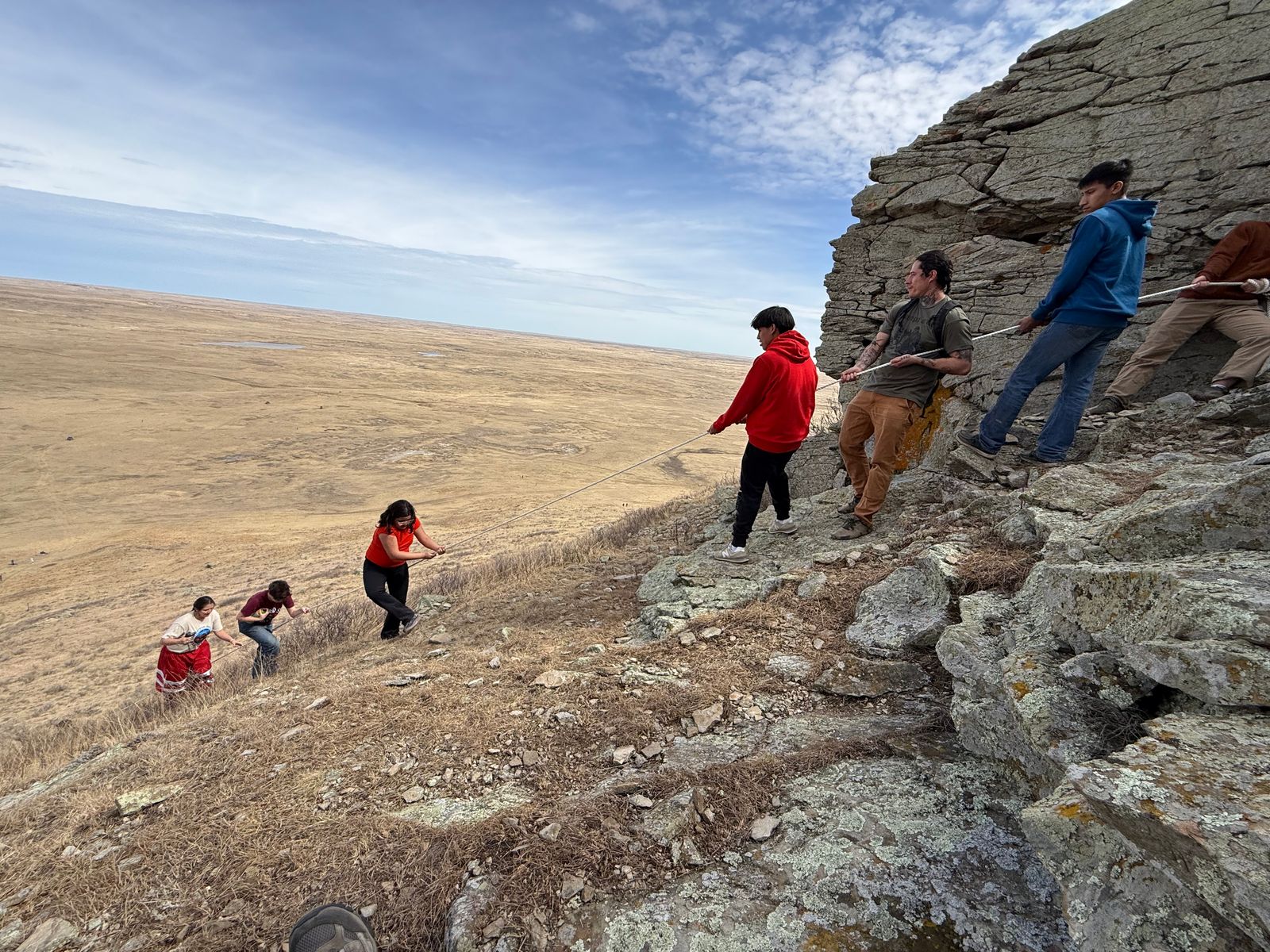
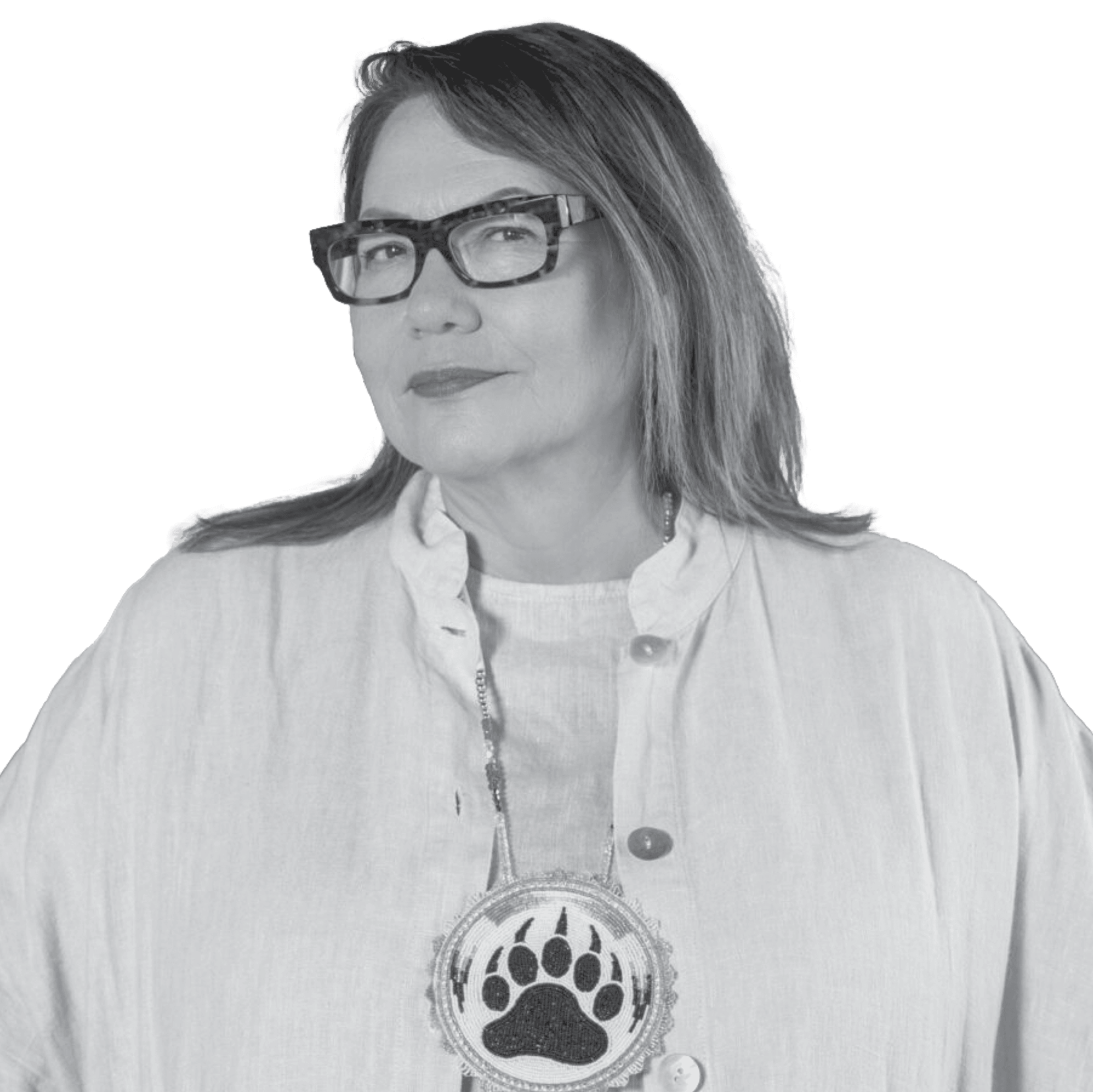
As the founder of the first nonprofit newsroom in North Dakota, I’ve had to figure out a lot during the last decade. And I am still learning. But neither the organization’s growth nor my accumulated personal experience at the helm of the Native Media Freedom Alliance and Buffalo’s Fire would have occurred without philanthropic support.
I’m deeply appreciative of the foundation leaders who believe in our organization's mission and vision. I’m most recently awed by the steadfast commitment of the MacArthur Foundation, which awarded a $500,000 grant in April to support our work. MacArthur is an institution that supports new ideas, approaches and models to local news. That’s exactly what we need as we work to expand new growth of independent Native-led media.
MacArthur leaders listen to our stories of perseverance as we carve out a Native media space in an ever-changing journalism landscape. Silvia Rivera, MacArthur Foundation director of Local News, recently shared a summary following conversations with 75 diverse media outlets at two separate convenings. I attended one of those events at a LION Sustainability conference last September in Chicago.
“What emerged across both convenings was remarkably consistent: grantees are exhausted but visionary, under-resourced but ready to build, isolated yet eager to collaborate,” Rivera shared in an email to participants of those meetings. “The ideas are there. The appetite is there. What's missing is the infrastructure — relational, operational, and financia l— to make those ideas sustainable.”
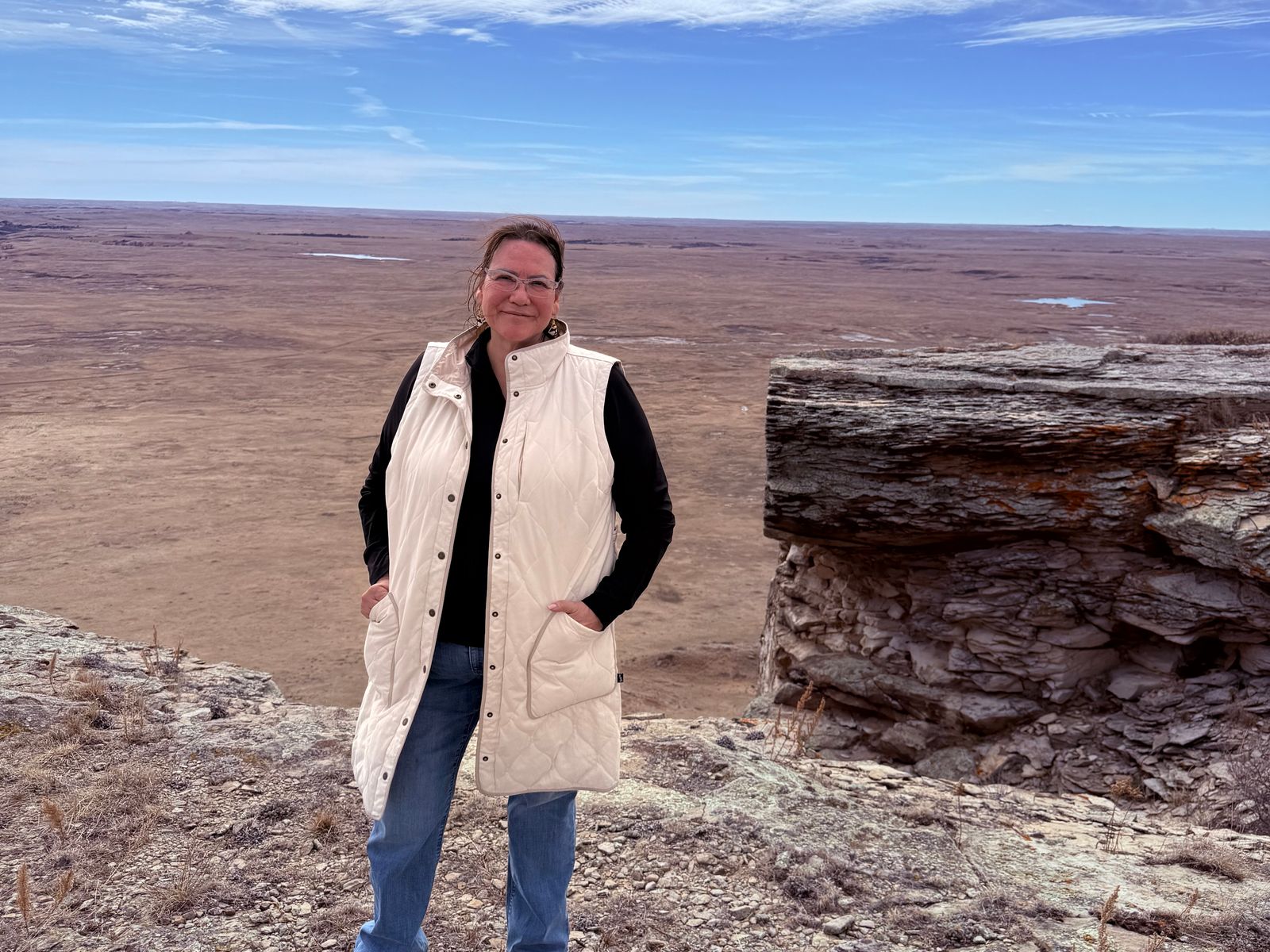
That’s us, for sure, with ideas and the appetite, but definitely still working on infrastructure. At the same time, we have talented, hard-working staff who consistently do their best to not only deliver quality news about our Native communities, but also build the foundation for transparency and freedom of information in those same Native spaces.
Buffalo’s Fire was one of the first newsrooms in the U.S. to receive initial Press Forward seed funding, as announced in December 2023. MacArthur also gave us a shout-out in July 2024, “Supporting Rural Voices: New Grants for Local Newsrooms in Appalachia, Mississippi and North Dakota.”
We value those who understand the complexities of strengthening local news. As a nonprofit 501(c)(3) media organization, we have to constantly raise money. In January, we began charting a path for our first NMFA individual donor campaign in collaboration with the Solutions Journalism Network. We encourage everyone to show their support. Ann Alquist, former news director for Prairie Public Radio, is leading this effort for NMFA.
As part of the SJN cohort, we’re also publishing a series about the need for transparency and open records in reservation-based communities. Our first story, “Indian Country needs a media pillar for a just society,” helps explain the problem, insights and limitations to freedom of information when those laws do not exist.
In addition to finding new ways to financially support our idea to develop an information ecosystem that includes access to tribal records — for both local media and tribal citizens — we have been reporting news with a limited pipeline of experienced local reporters. (By the way, we have an open spot for a local reporter in Bismarck, North Dakota.) To help with fundraising, we’re also pleased to announce that Jennifer Martell has joined our team. She starts today. This marks our first experienced hire to focus on major and small donors.
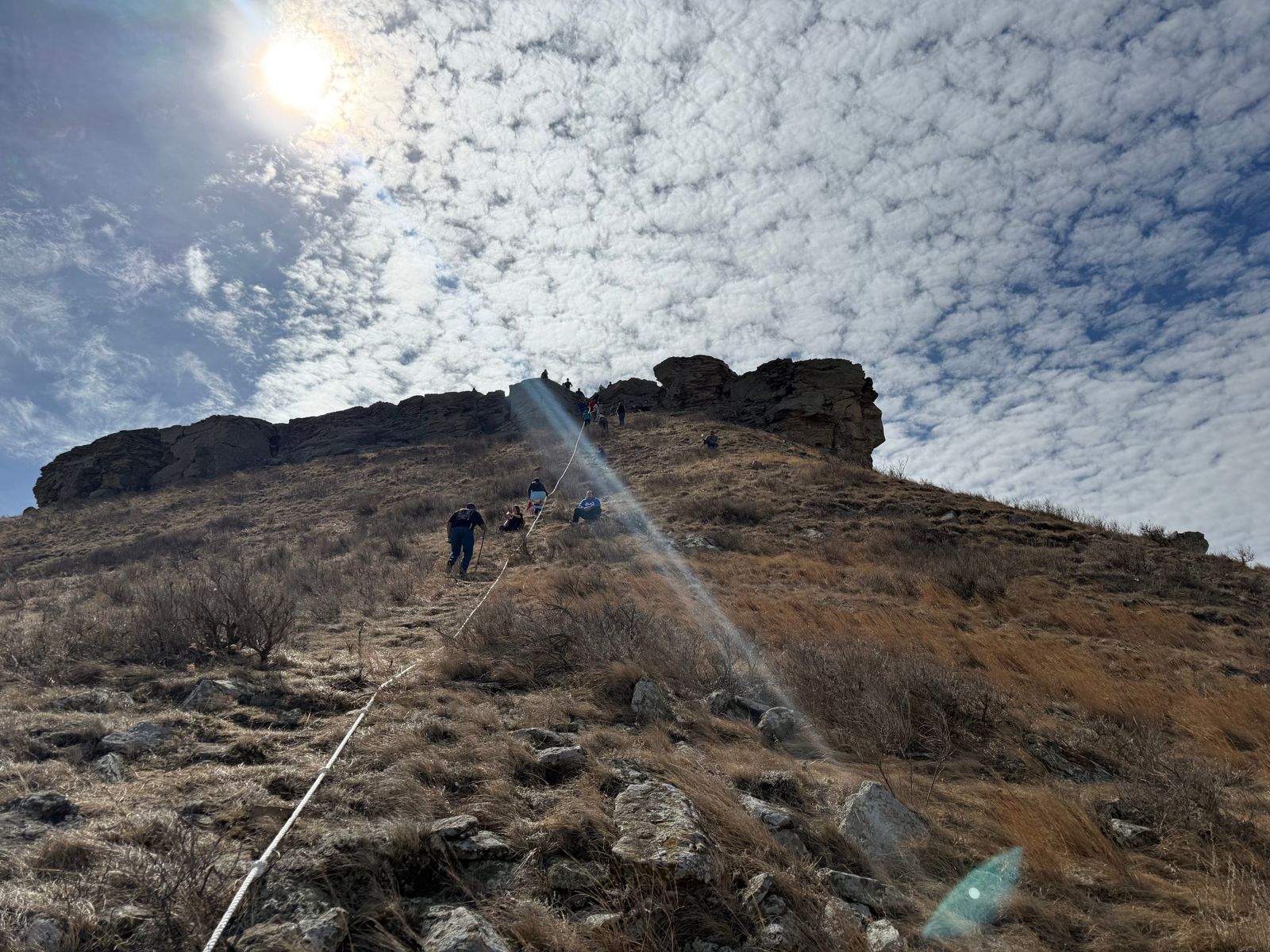
As a 2026-2027 MacArthur grant recipient, our team is strategizing in new ways. Our team recently brainstormed on an expansion plan to educate our community about the power of free speech, the right to assemble and the power of the press.
The vision of the Native Media Freedom Alliance is a world where independent Native media thrives. As we make the climb to building a local news infrastructure, we’re ever grateful to those who help lift us to the summit.
This is no small order, but at the Native Media Freedom Alliance, we’re listening to our readers. We know what’s on their minds because they’ve filled out our surveys. We've listened to them over several years while setting up booths at local and national conferences and powwows. We’re confident in what we’ve learned, and we’re taking the next steps to expand news in rural Native communities.
We owe our growth and expansion to funders like the MacArthur Foundation, who understand our vision and our ability to act on it.
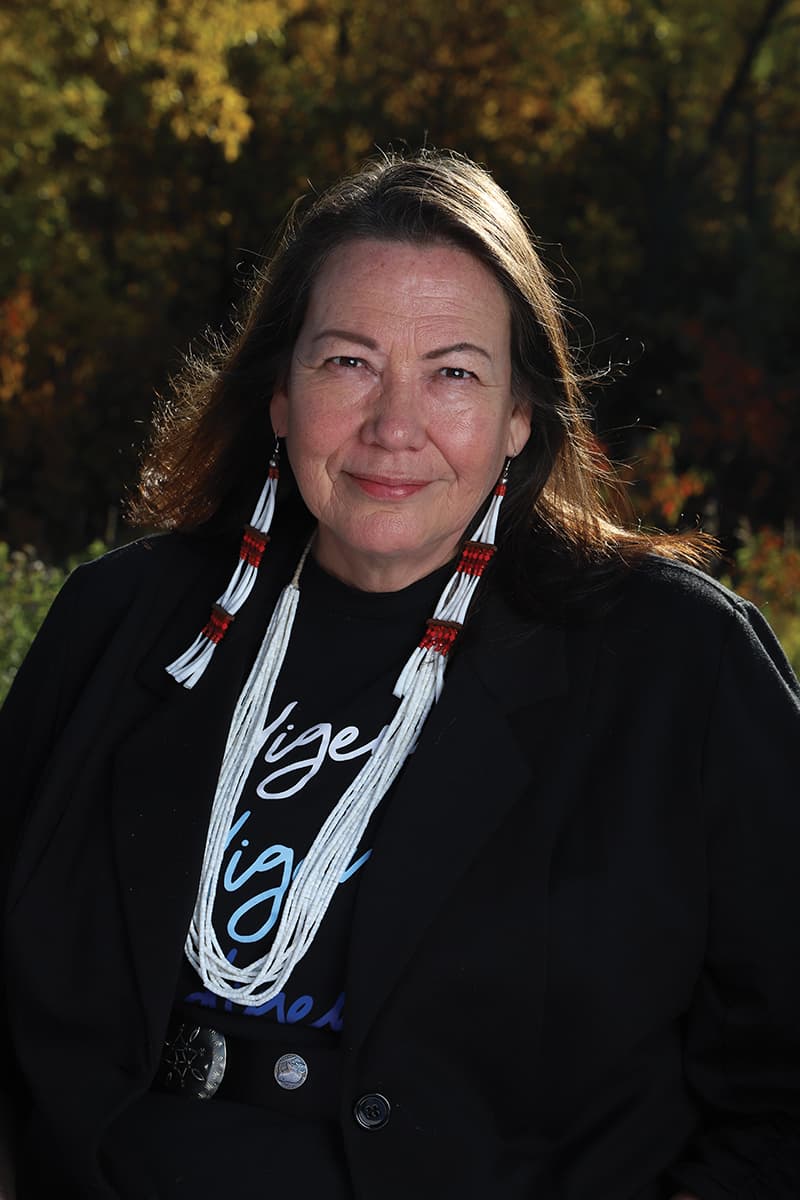
Jodi Rave Spotted Bear
(Mandan, Hidatsa/ Mniconjou Lakota)Founder & Editor in Chief
Spoken Languages: English
Topic Expertise: Federal trust relationship with American Indians; Indigenous issues ranging from spirituality and environment to education and land rights
Sharing Is Caring
This article is not included in our Story Share & Care selection.
The content may only be reproduced with permission from the Indigenous Media Freedom Alliance. Please see our content sharing guidelines.
© Buffalo's Fire. All rights reserved.
We provide independent Native-focused reporting that gives our communities the context and the facts they need to make informed decisions.
Respect The Fire
At Buffalo's Fire, we value constructive dialogue that builds an informed Indian Country. To keep this space healthy, moderators will remove:
- Personal attacks, harassment, or hate speech
- Spam, misinformation, or unsolicited promotion
- Off-topic rants and excessive shouting (All Caps)
Let’s keep the fire burning with respect.