






Critical Conversations about access to water as a human right

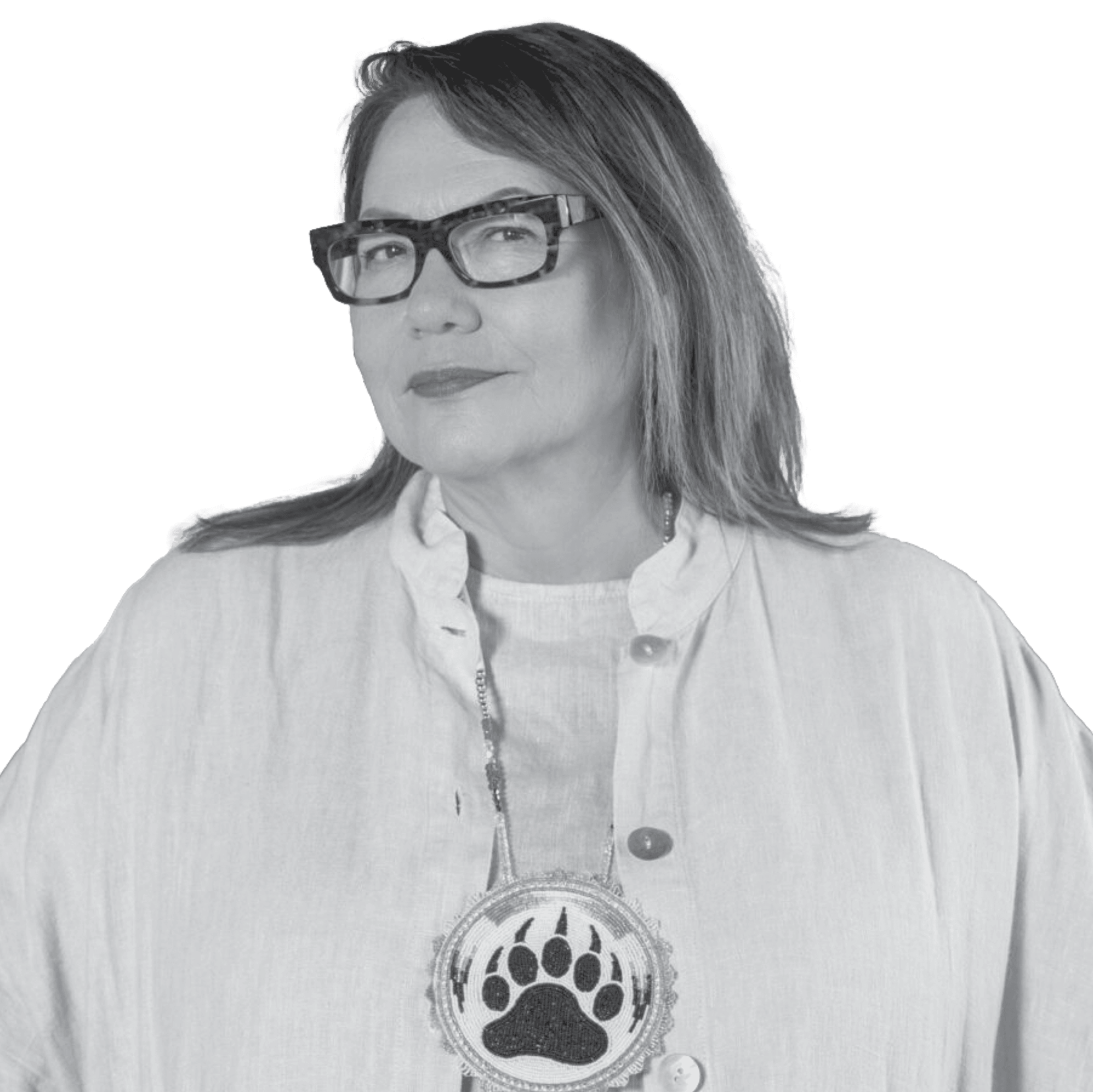
September 5th, 2012Two years after the United Nations recognized clean drinking water and sanitation as a human right, Manitoba researchers will lead public discussions on the most effective ways to make that a reality for First Nations.“It will take a team effort from First Nations leaders, scientists, legal experts, community planners and more to ensure the next generation of First Nations kids grows up with secure water supplies the rest of us take for granted,” said law Prof. Karen Busby, who is organizing the seminar series.Many University of Manitoba researchers have work underway with First Nations on water issues, in partnership with the Assembly of Manitoba Chiefs, Manitoba Keewatinowi Okimakanak and other universities.read more
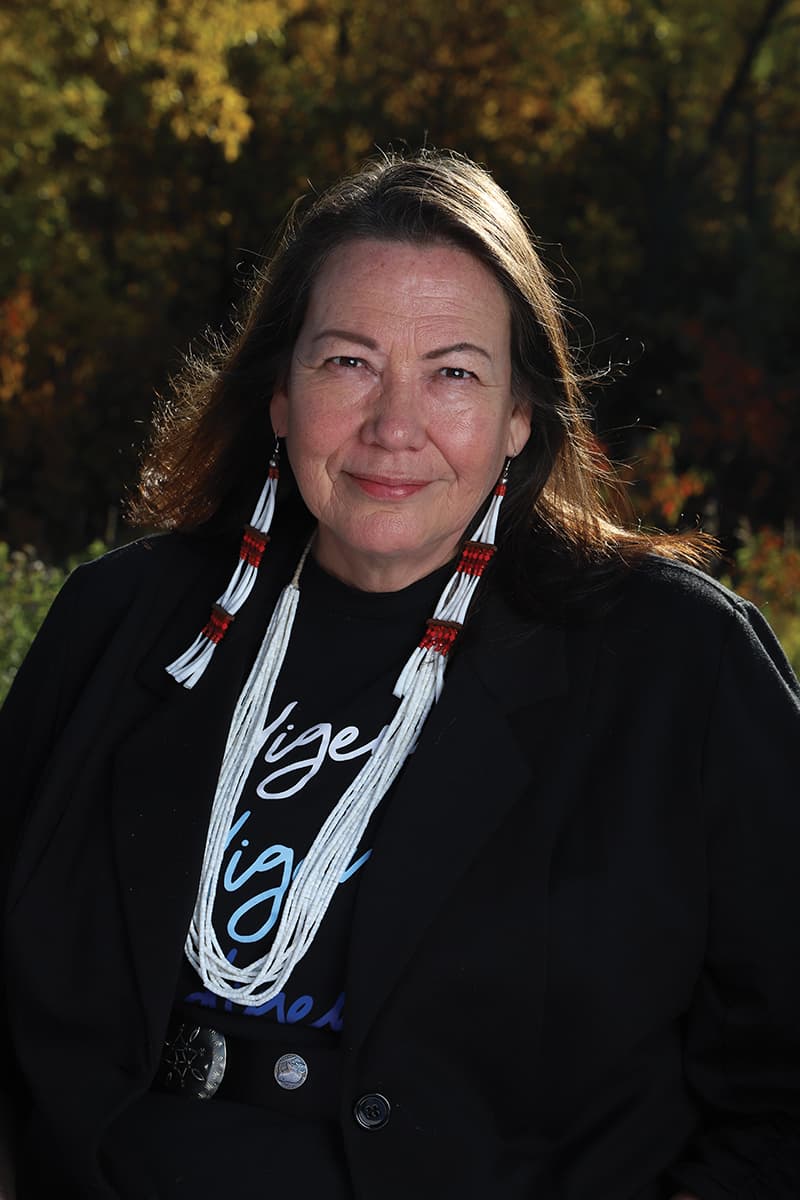
Jodi Rave Spotted Bear
(Mandan, Hidatsa/ Mniconjou Lakota)Founder & Editor in Chief
Spoken Languages: English
Topic Expertise: Federal trust relationship with American Indians; Indigenous issues ranging from spirituality and environment to education and land rights
Sharing Is Caring
This article is not included in our Story Share & Care selection.
The content may only be reproduced with permission from the Indigenous Media Freedom Alliance. Please see our content sharing guidelines.
© Buffalo's Fire. All rights reserved.
We provide independent Native-focused reporting that gives our communities the context and the facts they need to make informed decisions.
Respect The Fire
At Buffalo's Fire, we value constructive dialogue that builds an informed Indian Country. To keep this space healthy, moderators will remove:
- Personal attacks, harassment, or hate speech
- Spam, misinformation, or unsolicited promotion
- Off-topic rants and excessive shouting (All Caps)
Let’s keep the fire burning with respect.