






‘It’s about safety’: Broadband service uncertain as 150th anniversary of the Little Bighorn battle nears
Tourists, media, historians and tribal officials expected to drive up demand for high-speed internet during commemorative event


In just over a month and a half, up to 8,000 people are expected to converge on a rolling landscape of brush and prairie near Crow Agency, Montana. The turnout will likely exceed the number of warriors and soldiers who fought on the same turf 150 years earlier in the Battle of the Little Bighorn — alternately called the Battle of the Greasy Grass — where Lt. Col. George Armstrong Custer and 261 of his doomed men of the 7th Cavalry made their famed “last stand” against several thousand Lakota Sioux, Northern Cheyenne and Arapaho.
Visitors are expected to learn about the conflict from both the Native and U.S. military perspectives. The event, which takes place June 25-27, will include a horse parade and speakers.
The anticipated turnout raises questions about whether the National Park Service’s existing broadband capacity can handle the demands of the gathering.
Besides tourists and history buffs, the event will draw Native tribes, media and local officials who will need high-speed internet to send out reports, updates and notifications of special commemorative events.
“This has been something we’ve been working on behind the scenes for the past couple of months,” James Novitsky, acting superintendent of the National Park Service’s Little Bighorn Battlefield National Monument wrote in an email to Buffalo’s Fire. “Our current system wouldn’t support the anticipated visitor numbers on its own, so we’re coordinating with Tribal Ready and our IT team to explore options.”
Tribal Ready, a broadband provider founded in 2023, is 87% Native-owned, according to CEO Joe Valandra, a Rosebud Sioux tribal member. He told Buffalo’s Fire that the company’s two main goals are to “give back” to the Native community and to promote digital sovereignty. At the Little Bighorn commemoration, Valandra said, the company is planning to work with available power at the park visitor center, and maybe a generator.
Novitsky said the National Park Service is “actively working to upgrade” the site’s system for the event and has informed Tribal Ready about the resources it can provide. “While it’s likely that a hybrid solution will ultimately be implemented,” he said, “it may still be too early to confirm any specific arrangements.”
Novitsky told Buffalo’s Fire that an IT representative with the National Park Service is trying to set up meetings in the next couple of weeks with telecom companies to see if they can assist with broadband service during the commemoration. He said those include T-Mobile, AT&T and Verizon.
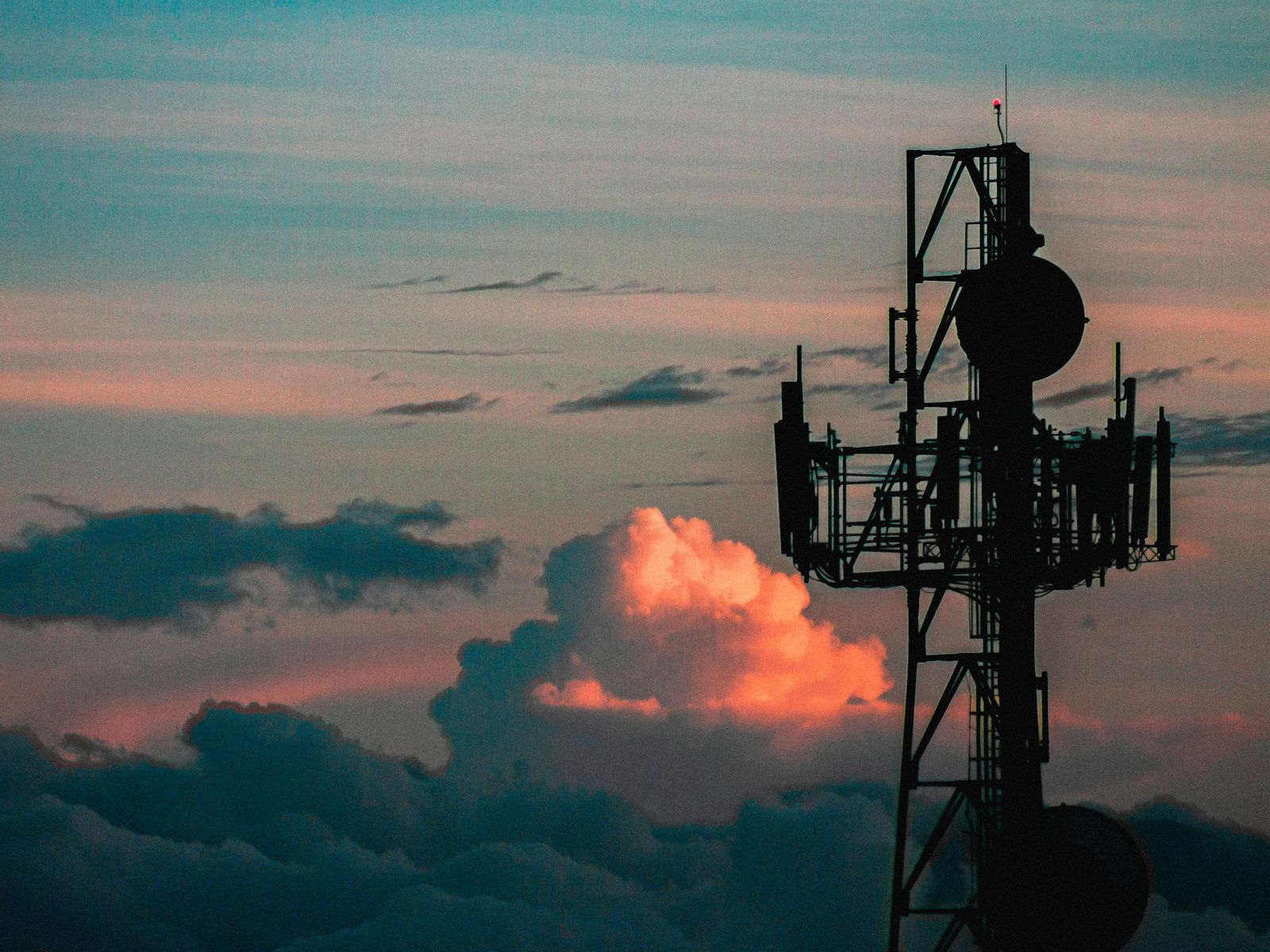
Whoever sets up the broadband will likely need to install towers on-site. Possible locations include National Park Service property and land owned by the Crow Tribe and a local Native family.
“It's a big thing for people to be recognizing the 150th anniversary of the time when our people defeated the U.S. military ‘on their own land,’” said Krystal Two Bulls, executive director of Honor the Earth, a Native-led organization dedicated to environmental justice. Two Bulls (Oglala Lakota and Northern Cheyenne) is helping with logistics for the observance.
She told Buffalo’s Fire that technology will play a role in allowing Natives to share their own stories with people visiting from all over the world. “It’s going to be powerful, and technology will obviously support that.”
Beyond telling stories from the Little Bighorn commemoration, fast and continuous broadband would also enable a fast response should there be any safety issues.
The crowds, traffic, horses and summer heat will all form their own hazards, and being able to notify emergency responders will be essential, whether there’s a brush fire or a tourist suffering heat stroke.
“For me, it’s about safety,” said Two Bulls. “Making sure that people have access to crisis response, emergency response, security, things like that in those moments.”
Sharing Is Caring
This article is not included in our Story Share & Care selection.
The content may only be reproduced with permission from the Indigenous Media Freedom Alliance. Please see our content sharing guidelines.
© Buffalo's Fire. All rights reserved.
We provide independent Native-focused reporting that gives our communities the context and the facts they need to make informed decisions.
Respect The Fire
At Buffalo's Fire, we value constructive dialogue that builds an informed Indian Country. To keep this space healthy, moderators will remove:
- Personal attacks, harassment, or hate speech
- Spam, misinformation, or unsolicited promotion
- Off-topic rants and excessive shouting (All Caps)
Let’s keep the fire burning with respect.