






What a Southern Arizona tribe can teach others about tribal water rights
The monumental Gila River Indian Community Water Rights Settlement celebrates its 21st anniversary

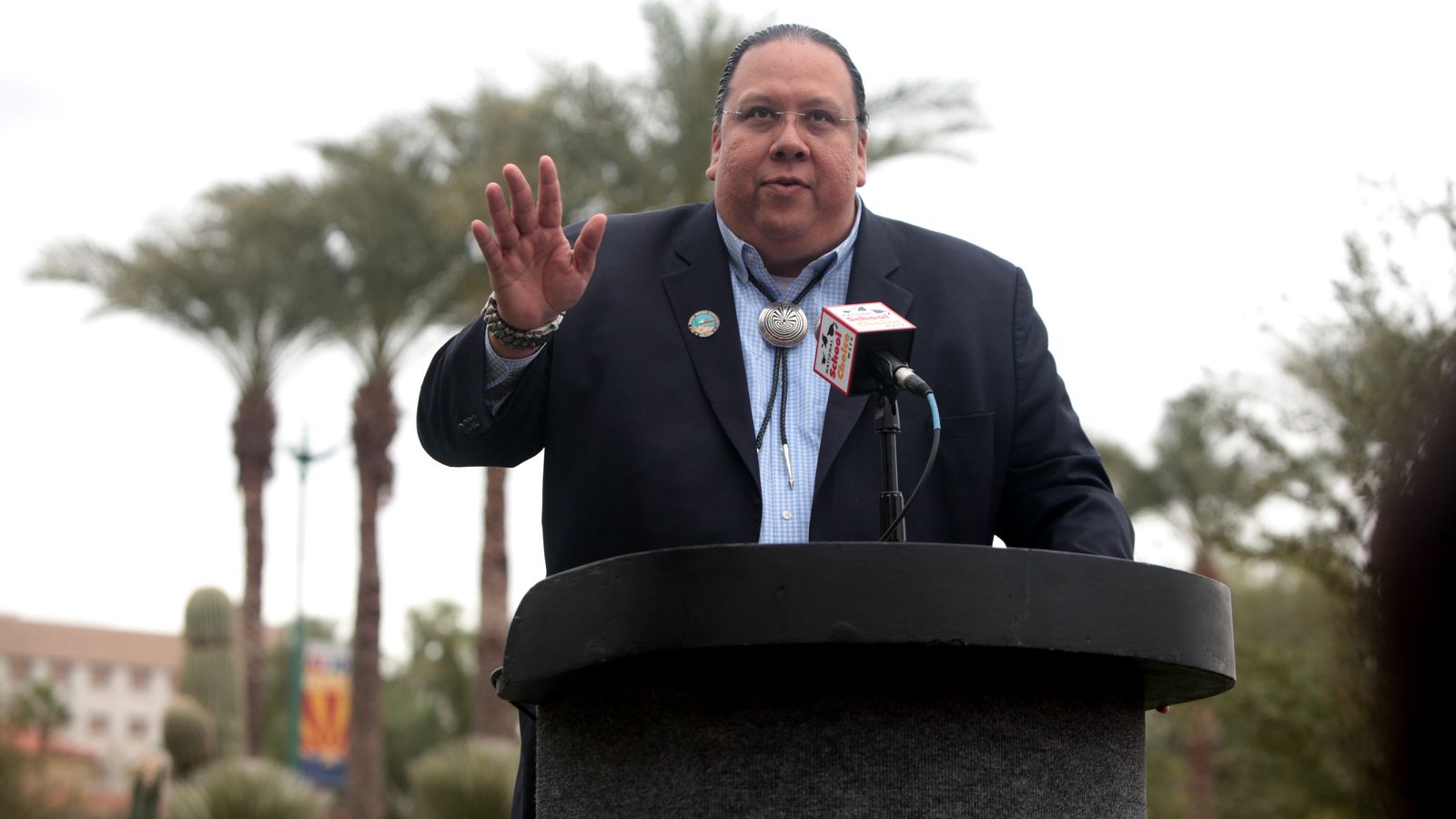

Wednesday, Dec. 10, marked 21 years since the monumental Gila River Indian Community Water Rights Settlement secured water rights for the tribe. It was one of the largest tribal water settlements in U.S. history.
Former Gila River councilwoman Wahlean Riggs said tribal leaders “fought tooth and nail” for the community’s water rights, and won.
The 2004 Arizona Water Settlements Act secured 653,500 acre-feet of water annually for the tribe. The act determined how much water the tribe would need per year from the Central Arizona Project, a 336-mile irrigation system that provides water from the Colorado River to the most populated areas of Arizona. The Gila River, a principal tributary of the Colorado River, runs through the reservation, just south of Phoenix.
To put the amount of water into context, one acre-foot is enough water to cover an acre with one foot of water and is enough water yearly for two to three U.S. households. So the tribe’s allocated water could meet the needs of over 1.3 million households.
The water is measured and allocated for agriculture, municipal and industrial use, according to the Settlement Act, though the tribe can use the water however it likes. The tribe uses “every penny and dime” of it,” Riggs said. “It’s very dear to us.”
In addition to the water allocation, the settlement provided millions of dollars to the Gila River Indian Community to update their water infrastructure. The reservation was established in 1859 and is home to over 21,000 members from the Pima (Akimel O’otham) and the Maricopa (Pee-Posh) tribes.
The Gila River Indian Community Water Settlement was monumental for tribal water rights. To this day, it serves the community by generating revenue through water leases. As the Associated Press reported last year, a 2016 deal with Chandler, a Phoenix suburb, earned the tribe $46 million. And when the Colorado River dried up due to climate change-related drought in 2023, the tribe secured $233 million through the Bipartisan Infrastructure Law to protect their water resources, which they were able to do in part because of the 2004 tribal water quantification.
Why the Gila River Indian Community quantified their water rights
Gila River Indian Community ancestors grew corn, fruit, beans, tobacco, cotton and “all the things you need to live on,” said Riggs, who is a farmer herself. Being in the desert, they irrigated thousands of acres of land with a canal system spanning 500 miles, according to the community’s website.
“We are farmers. We’ve always been,” she said. “That’s what they did, and that’s all they knew.”
When the United States acquired Arizona, the Akimel O’otham and Pee-posh people traded goods with settlers who moved into the area. But those same settlers also needed water. The construction of dams and canals upstream depleted the Native community’s water supply, and starting in the 1880s, they faced famine and starvation.
In the 1930s, water conditions improved with the completion of the Coolidge Dam on the upper Gila River, which included canals and pipelines to siphon water to the reservation. To secure their water rights and because of their history with water insecurity, the Gila River Water Community went to court to negotiate a water settlement.
What other tribes can learn from the Gila River Indian Community
The Gila River Indian Community staked their water rights settlement on the Winters Doctrine, which says that all federally recognized tribes have “implied reserved water rights.”
The Winters case started in 1908 on the Fort Belknap Reservation. When non-Native settlers diverted water from Milk River, the tribe was left with insufficient water resources and couldn’t meet its farming needs, much like the Gila River Indian Community. In United States v. Winters, the Supreme Court ruled that the 1888 Fort Belknap Treaty set aside land and, consequently, water for the tribal community by establishing the reservation, stating “water to fulfill the reservation’s purposes is implicitly reserved.”
The quantification of water rights was introduced in 1963 Arizona v. California. It established the “practicable irrigable acreage” standard, which measures how much water a reservation needs to farm the land. Even if the tribal community doesn’t farm, that measurement determines how much water a reservation should be allocated.
Tribal water rights are reserved at the date the reservation was established and take priority over most state water rights, but only if that tribe has a quantified water settlement. That’s why it’s important for tribes to file a water settlement and quantify their water rights as soon as they can, said Majel Russell, Crow Tribe of Indians citizen and attorney at Elk River Law Offices.
Russell, who spoke about tribal water rights at the 2025 Intertribal Agriculture Council Conference on Dec. 10, has worked on multiple tribal water rights settlements. She said today water rights cases are better settled than fought in court. Many settlements, she said, will award tribes funding to develop their water rights, such as funding for irrigation systems.
Today, factors such as climate change and the energy industry securing water permits limit the amount of water available to tribes. Russell encouraged all federally recognized tribes to follow the example of the Gila River Indian Community and quantify their reserved water rights.
Gabrielle Nelson
Former Environment Reporter
Sharing Is Caring
This article is not included in our Story Share & Care selection.
The content may only be reproduced with permission from the Indigenous Media Freedom Alliance. Please see our content sharing guidelines.
© Buffalo's Fire. All rights reserved.
We provide independent Native-focused reporting that gives our communities the context and the facts they need to make informed decisions.

Respect The Fire
At Buffalo's Fire, we value constructive dialogue that builds an informed Indian Country. To keep this space healthy, moderators will remove:
- Personal attacks, harassment, or hate speech
- Spam, misinformation, or unsolicited promotion
- Off-topic rants and excessive shouting (All Caps)
Let’s keep the fire burning with respect.